
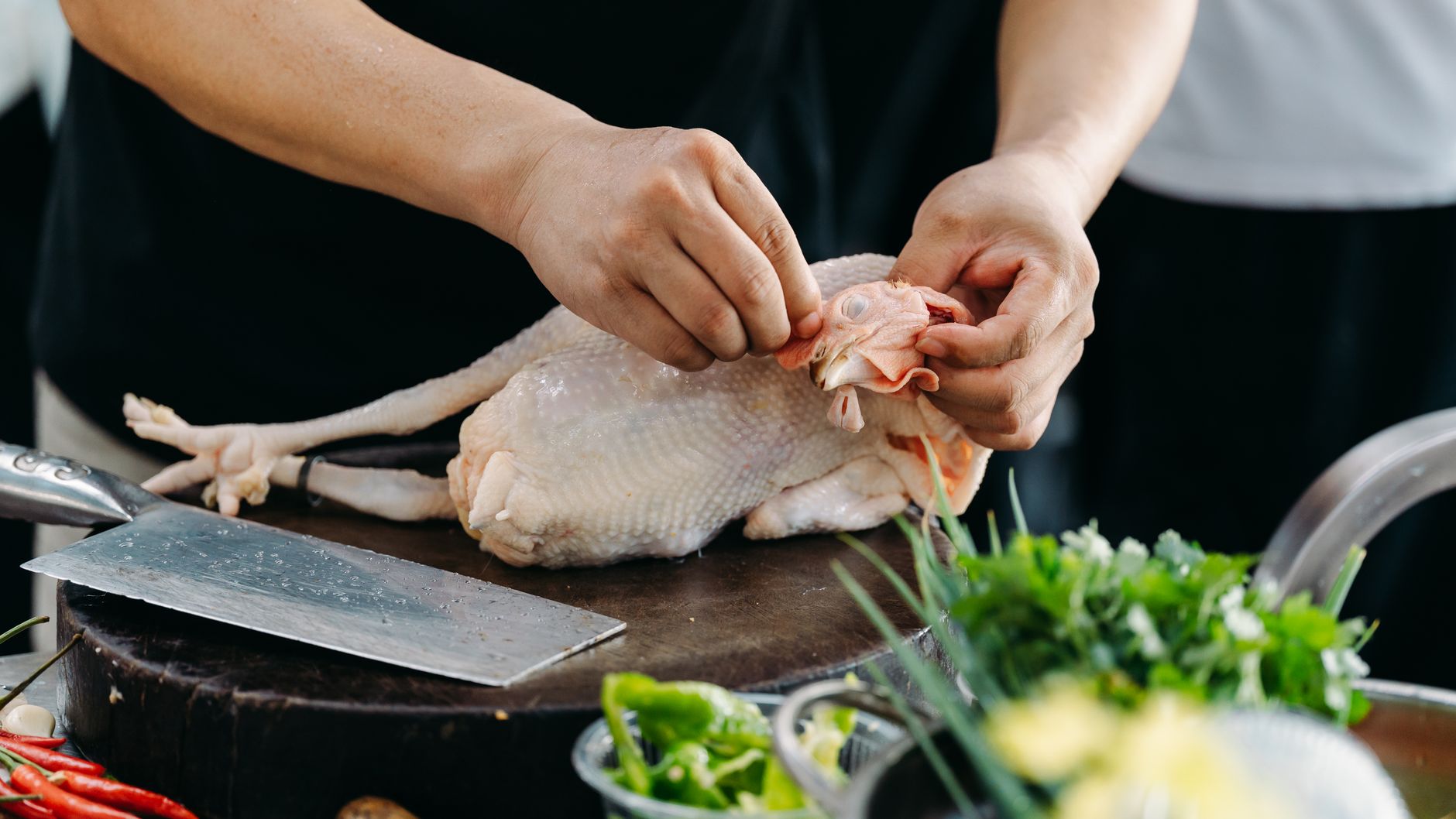
Cross contamination is a critical concern in food safety that occurs when harmful bacteria or allergens are transferred from one food item to another. This risk can lead to foodborne illnesses and allergic reactions, making it essential for anyone who handles food to understand how this process happens.
In this comprehensive guide, we will explore what cross contamination is, how it can occur in various situations, and provide practical tips to prevent it in your kitchen. Understanding these concepts will aid in creating a safer cooking environment at home.
What Causes Cross Contamination?
Cross contamination occurs when raw foods, particularly those that contain bacteria or allergens, come into contact with prepared or ready-to-eat foods. This can happen in numerous ways:
- Physical contact: When raw meat touches other foods or surfaces.
- Utensils and cutting boards: Using the same knife or cutting board for raw and cooked items without proper cleaning.
- Airborne particles: Bacteria can be transferred through the air from one food item to another.
- Hands: Unsanitized hands from handling raw foods can introduce bacteria to cooked foods.
Types of Cross Contamination
Understanding the types of cross contamination can help you identify risk areas in the kitchen. Here are the main categories:
Biological Cross Contamination
This type involves bacteria, viruses, or parasites being transferred between food items. For instance, if you’re slicing raw chicken and then use the same knife to cut vegetables without washing it first, you can transfer harmful bacteria like Salmonella.
Chemical Cross Contamination
This occurs when chemicals, such as cleaning products or allergens, mix with food. For example, if you use a cloth to wipe down a surface where you have raw seafood and then use the same cloth to wipe a counter where you prepare salads, you risk introducing allergens into the food.
Physical Cross Contamination
This refers to the transfer of physical contaminants, such as dirt, hair, or plastic from food packaging. These contaminants can unintentionally get mixed into food during preparation or cooking.
How Does Cross Contamination Occur?
There are several key areas in food prep where cross contamination is likely to occur. Recognizing these can help prevent unsafe food handling practices.
1. Kitchen Surfaces
Countertops, cutting boards, and kitchen appliances can harbor bacteria if not cleaned properly. When preparing food, any surface that comes into contact with raw food should always be cleaned with hot soapy water and sanitized after use.
2. Utensils and Equipment
Knives, mixing bowls, and serving utensils can transfer bacteria if used interchangeably without proper cleaning. It’s advisable to dedicate separate utensils for different types of food, or at least clean them thoroughly between each use.
3. Storage Areas
Improperly stored foods can lead to cross contamination. For example, storing raw meats above ready-to-eat foods can result in drippage and contamination. Always store raw meats on the bottom shelf and cover them to prevent leaks.
4. Personal Hygiene
Food handlers who don’t wash their hands correctly after handling raw foods or using the restroom can unintentionally spread bacteria. Handwashing with soap and warm water after handling raw ingredients is essential to safe food prep.
Effective Prevention Strategies
Now that you understand how cross contamination occurs, let’s explore some effective strategies to prevent it in your kitchen.
1. Separate Raw and Cooked Foods
Always keep raw and ready-to-eat foods separate. This includes using different cutting boards and utensils for raw meat, seafood, and vegetables. Color-coded cutting boards can help with visual organization and prevent mix-ups.
2. Proper Handwashing Techniques
Hands should be washed thoroughly with soap and warm water for at least 20 seconds after handling raw food. Additionally, make it a habit to wash hands after using the restroom or touching pets. Always dry hands using a clean towel or air dryer.
3. Clean and Sanitize Surfaces
After preparing any food, especially raw meat, the surfaces used should be cleaned and sanitized. Use a mixture of hot water and soap followed by a disinfectant to ensure all surfaces are germ-free.
4. Use Food Storage Containers Wisely
Store leftovers and prepared dishes in airtight containers, and label them with dates to ensure they are consumed within safe periods. Always use separate containers for raw and cooked foods to minimize risk.
5. Be Mindful of Allergens
For those cooking for others who may have food allergies, it’s crucial to avoid cross contamination with allergens. Be diligent in cleaning surfaces, utensils, and hands, and consider using separate cooking tools for allergenic ingredients.
Understanding Safe Cooking Temperatures
Cooking food at the right temperatures can kill harmful bacteria, significantly reducing the risk of cross contamination. Here’s a quick reference for safe cooking temperatures for common foods:
| Food Item | Safe Minimum Internal Temperature (°F) |
|---|---|
| Ground Meat | 160°F |
| Poultry | 165°F |
| Seafood | 145°F |
| Eggs | 160°F |
| Leftovers/Reheated Food | 165°F |
Using a food thermometer can help ensure that you meet these temperature guidelines effectively.
Common Mistakes to Avoid
As you work to prevent cross contamination in your kitchen, here are some common mistakes to watch out for:
- Not washing hands frequently enough or improperly.
- Using the same cutting boards and utensils for all food types.
- Storing raw food above cooked food in the refrigerator.
- Failing to clean surfaces and utensils adequately after each use.
- Assuming that cooking food adequately eliminates all forms of contamination.
What to Do in Case of Cross Contamination
Despite our best efforts, accidents can happen. Here’s what to do if you suspect cross contamination:
1. Discard Contaminated Foods
If you realize that raw meat may have contaminated your vegetables, it’s safer to discard the vegetables rather than risk foodborne illness.
2. Thoroughly Clean and Sanitize
Immediately clean and sanitize any surfaces, utensils, or containers that may have come into contact with the contaminated food.
3. Monitor Health Symptoms
If you suspect you have ingested contaminated food, monitor for symptoms such as nausea, vomiting, or diarrhea. Seek medical attention if symptoms are severe or prolonged.
Storing Food to Prevent Cross Contamination
Storing food properly is vital to preventing cross contamination. Here are some practical tips:
1. Organize Your Fridge
Store raw meats on the bottom shelf to prevent juices from dripping onto other foods. Keep cooked and ready-to-eat items on higher shelves.
2. Use Airtight Containers
Invest in airtight containers for leftovers and raw ingredients. This not only helps maintain freshness but prevents odors and cross contamination between foods stored in your fridge.
3. Label Everything
Labeling containers with dates can help ensure that you keep track of food safety. Always remember the “first in, first out” rule to reduce the chances of forgetting older items.
Pro Tips for Safe Food Handling
Incorporate these handy tips into your routine for safer cooking practices:
- Plan meals ahead to minimize rush and mistakes.
- Include safe food handling and hygiene training as part of your kitchen routine.
- Use separate grocery bags for raw meat when shopping.
- Avoid using sponges for wiping, as they can harbor bacteria; consider using disposable paper towels instead.
Cooking for Others: Hosting Safely
When preparing food for others, it’s essential to be particularly vigilant about cross contamination. Here are steps to ensure a safe dining experience:
1. Ask About Allergies
Inquire if any guests have dietary restrictions or allergies, and plan accordingly. Take extra care to avoid cross contamination with allergenic foods.
2. Use Clear Serving Utensils
Use separate serving utensils for different dishes to minimize the risk of introducing allergens or contaminants.
3. Communicate Clearly
Let guests know what ingredients are in your dishes, especially if they may pose allergens. It’s also wise to inform them about your food safety practices.
Conclusion
Understanding cross contamination and its prevention is essential for safe food handling practices. By adopting systematic approaches to cleaning, cooking, and food storage, you can significantly decrease health risks in your kitchen. Make safety a priority in meal preparation, whether you’re cooking for your family or hosting a gathering.
To further enhance your cooking knowledge, explore related food safety topics such as how long is cooked ground beef good in the fridge or how long is chicken good for in the fridge. Knowing proper food storage techniques and timelines is another key to maintaining safety in the kitchen.