
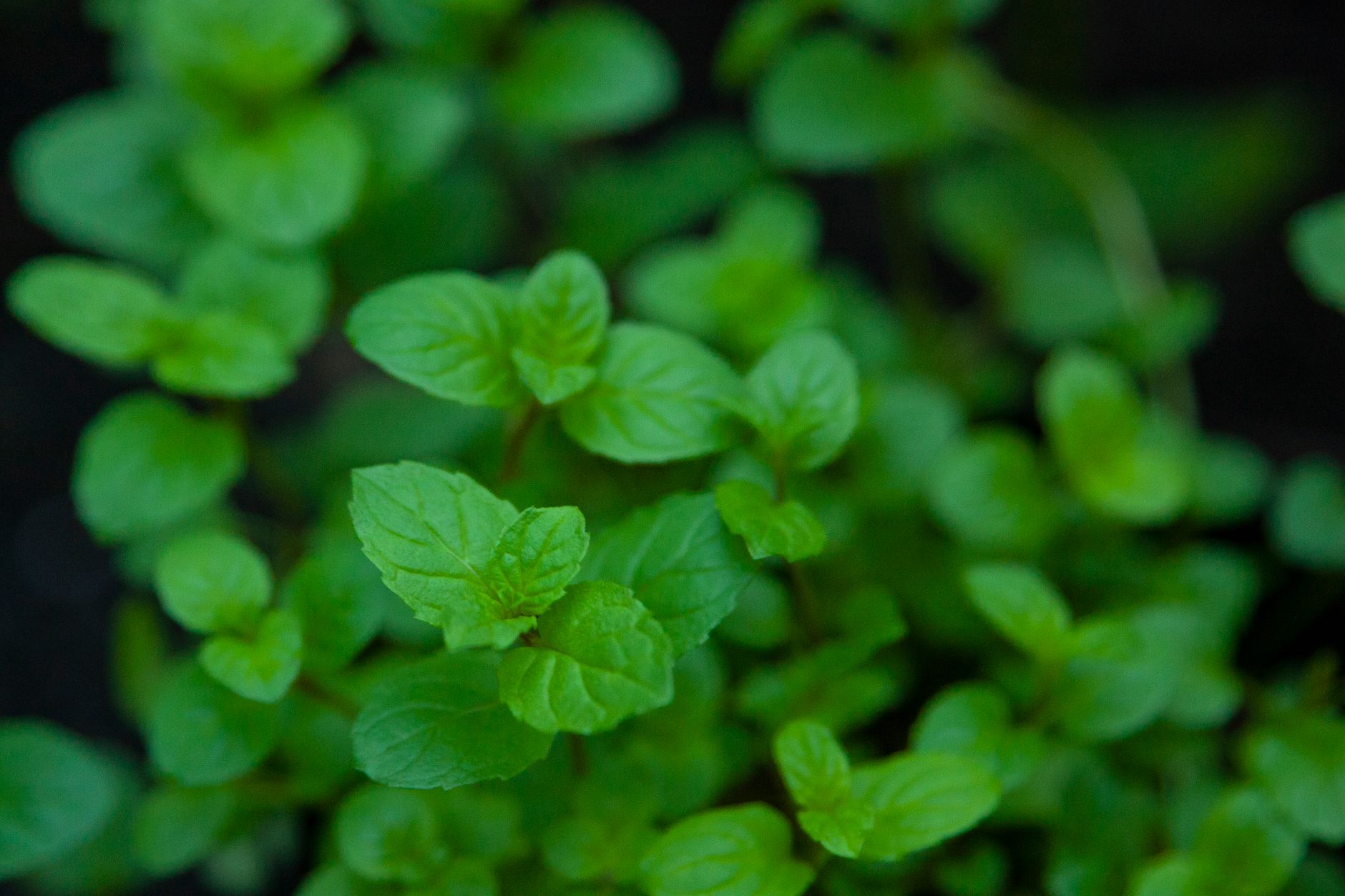
When it comes to herbs, mint is not only aromatic but also versatile. Its refreshing taste can elevate dishes, drinks, and desserts alike. But a common question arises: can you eat mint? The answer is a resounding yes. Mint is not only edible, but it also adds unique flavors and nutrition to your meals.
This article will explore the culinary uses of mint, its health benefits, serving ideas, and ways to incorporate this herb into your diet. Whether you have a garden bursting with mint or find it at your local market, you’ll learn how to make the most of it.
Can You Eat Mint?
Yes, you can eat mint! Both spearmint and peppermint varieties are used in cooking and beverages. They are safe to consume and offer a refreshing taste that can enhance a variety of dishes and drinks. Mint is not only safe but is also commonly used for its flavor and potential health benefits.
Types of Mint
Mint belongs to the Mentha genus, and there are several varieties you might encounter. Here are some of the most common types:
- Spearmint (Mentha spicata): This type has a mild flavor and is commonly found in dishes like salads, sauces, and drinks like mojitos.
- Peppermint (Mentha × piperita): Known for its strong flavor, peppermint is often used in desserts, candies, and teas.
- Chocolate Mint: With a hint of chocolate, this variety is used mainly in desserts and sweet dishes.
- Apple Mint (Mentha suaveolens): This mint has a fruity flavor, making it perfect for salads and savory dishes.
Culinary Uses of Mint
Mint’s vibrant flavor lends itself to an array of culinary applications. Here are some delicious ways to incorporate mint into your meals:
Salads
Mint adds a refreshing twist to salads. Combine it with ingredients like cucumber, yogurt, and tomatoes for a bright dish. A simple mint yogurt dressing can elevate the flavor profile of any salad.
Drinks
Mint is a popular ingredient in beverages. Use fresh mint leaves to make mint tea, mojitos, or infused water. Crushing the leaves releases essential oils, enhancing the drink’s aroma and flavor.
Main Dishes
Add chopped mint to grain salads, stir-fries, or meat dishes to bring out the freshness. Mint complements lamb beautifully, often featured in Middle Eastern and Mediterranean cuisines.
Desserts
Mint is a delightful addition to desserts. It can be used in chocolate desserts, ice cream, or fruit salads. Peppermint extract can also enhance the flavor of baked goods.
Potential Health Benefits of Mint
Besides its culinary uses, mint has been associated with several potential health benefits:
- Digestive Aid: Mint may help soothe digestive issues and offer relief from indigestion.
- Freshens Breath: Mint is known for its ability to freshen breath, which is why it’s often used in chewing gums and mouthwashes.
- Rich in Antioxidants: Mint contains antioxidants, which can help combat oxidative stress in the body.
- Mild Analgesic: The menthol in mint may provide a calming effect and relieve minor headaches or muscle pain.
How to Prepare and Use Mint
Preparing mint for use in your kitchen is simple. Here are some tips:
Washing Mint
Always wash mint leaves thoroughly under running water to remove any dirt or insects. Pat them dry with a clean towel or use a salad spinner to remove excess moisture.
Chopping Mint
To chop mint, stack several leaves on top of each other, roll them tightly, and slice them into thin ribbons. This method, called chiffonade, helps to preserve the flavor and texture.
Using Mint in Cooking
Add mint towards the end of cooking to prevent its flavor from being lost. When added to salads or cold dishes, incorporate it just before serving to maintain its vibrant flavor.
Storage Tips for Fresh Mint
To extend the shelf life of fresh mint, proper storage is essential:
- Refrigeration: Store fresh mint in the refrigerator in a damp paper towel and place it in a plastic bag, which can keep it fresh for about a week.
- Freezing: For longer storage, chop mint and freeze it in ice cube trays filled with water. Once frozen, transfer the cubes to a sealable bag and use them as needed.
Mint Substitutions
If you find yourself without fresh mint, here are some alternatives:
- Dried Mint: Use about one-third of the amount of dried mint compared to fresh mint, as it is more concentrated.
- Other Fresh Herbs: Consider using basil or cilantro if you want a different but complementary flavor profile.
- Mint Extract: Use mint extract in baked goods or desserts. A small amount (1/4 teaspoon) can replace several mint leaves.
Common Mistakes When Using Mint
Here are some common pitfalls to avoid when cooking with mint:
- Overcooking Mint: Adding mint too early in the cooking process can lead to a loss of flavor. Always add it towards the end of cooking.
- Using Stems: While the stems are edible, they can be tough. For the best flavor, use only the leaves.
- Forgetting to Wash: Always wash mint to remove dirt and contaminants before using it in your dishes.
Serving Ideas with Mint
Incorporating mint into your dining experience can be both delicious and visually appealing. Here are some serving ideas:
Mojito
Create a classic mojito by muddling fresh mint leaves with lime juice and sugar, then adding rum and soda water. Garnish with mint sprigs for a refreshing drink.
Mint-Infused Salad
Make a refreshing salad with mixed greens, chopped mint, cucumber, and a light vinaigrette. The mint adds brightness and freshness.
Chocolates and Desserts
Infuse your brownies or chocolate mousse with peppermint extract for a refreshing twist. Top with whipped cream and mint leaves for added flair.
Mint Tea
Prepare mint tea by steeping fresh leaves in hot water for several minutes. Sweeten with honey or sugar, and serve hot or iced.
Conclusion
Mint is a versatile herb that can be enjoyed in various forms and dishes. Its refreshing flavor enhances both savory and sweet recipes. By incorporating mint into your meals and drinks, you can enjoy its unique flavor and potential health benefits.
Whether you are using it fresh, dried, or as an extract, mint can add a delightful touch to your culinary creations.
Explore related recipes, cooking tips, or food guides like what is a good substitute for rosemary or what is spearmint tea good for.