
A strong immune system is crucial for maintaining overall health and fighting off infections. While there are several factors that contribute to immune function, including sleep and physical activity, nutrition plays a significant role. Choosing the right foods can enhance your immune response and keep you vibrant and healthy.
In this article, we will explore various foods that are known to boost the immune system, their unique properties, and practical ways to incorporate them into your meals. From vibrant fruits to hearty grains, there is plenty to choose from.
What Foods Boost Immune System?
Foods that boost the immune system are rich in vitamins, minerals, and antioxidants, which help the body combat infections and diseases. Incorporating fruits, vegetables, whole grains, nuts, and seeds into your diet can fortify your immune response and promote overall health.
Fruits and Vegetables Rich in Vitamins
Fruits and vegetables are among the most potent foods for boosting the immune system. Here’s a closer look at some of the most beneficial options:
Citrus Fruits
Citrus fruits, such as oranges, lemons, limes, and grapefruits, are very high in vitamin C. This vitamin is known to enhance the production of white blood cells, which are crucial for fighting infections.
- **How to Use**: Enjoy fresh citrus fruits as snacks, or add them to salads, dressings, or beverages.
- **Substitution**: If you don’t have fresh citrus, you can use bottled citrus juices but aim for 100% juice with no added sugars.
Berries
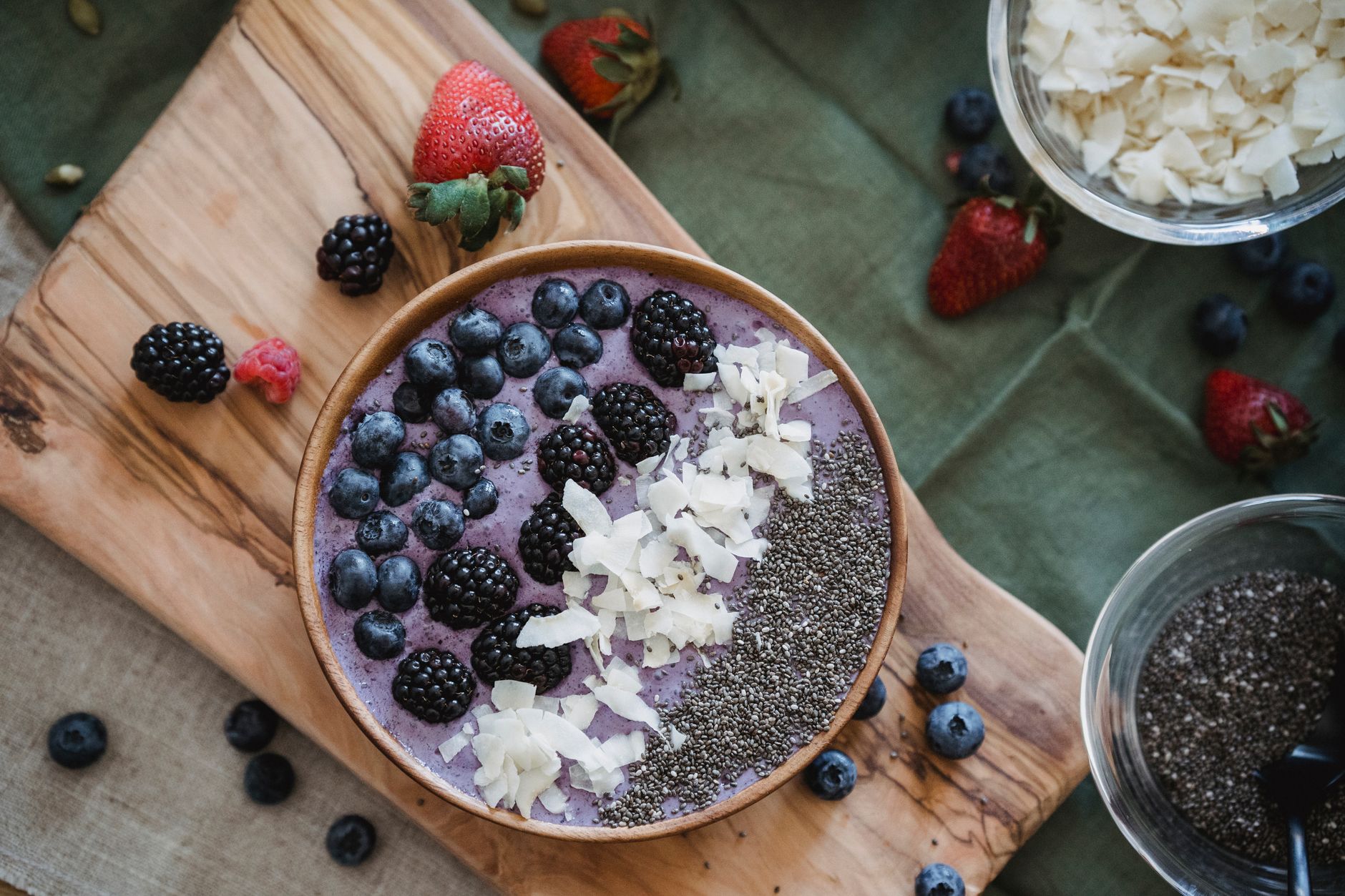
Berries like strawberries, blueberries, and blackberries are packed with antioxidants, particularly flavonoids, which can help reduce inflammation and improve immune function.
- **How to Use**: Include them in smoothies, yogurt, oatmeal, or simply enjoy them fresh.
- **Substitution**: Frozen berries can be used instead of fresh; just be mindful of added sugars in pre-packaged options.
Cruciferous Vegetables
Vegetables like broccoli, Brussels sprouts, and kale are beneficial due to their high levels of vitamins A, C, E, and fiber. They also contain sulforaphane, a compound with immune-boosting properties.
- **How to Use**: Steam, sauté, or roast these vegetables to retain their nutrient content.
- **Substitution**: If you don’t have fresh options, frozen cruciferous vegetables are a great alternative.
Whole Grains and Legumes
Whole grains and legumes provide essential nutrients, including zinc and fiber, which are important for maintaining a well-functioning immune system.
Whole Grains
Quinoa, brown rice, barley, and oats are excellent sources of fiber and support a healthy gut microbiome, which is vital for immune health.
- **How to Use**: Use whole grains as a base for meals, in salads, or as hearty side dishes.
- **Substitution**: If you’re short on a particular grain, other whole grains can typically be interchanged while maintaining texture and flavor.
Legumes
Beans, lentils, and chickpeas are rich in protein, fiber, and iron, essential for immune health. They also provide complex carbohydrates that help stabilize blood sugar levels.
- **How to Use**: Incorporate into soups, stews, salads, or as a meat substitute in various dishes.
- **Substitution**: Canned legumes can save time; just rinse them to reduce sodium content before use.
Nuts, Seeds, and Healthy Fats
Nuts and seeds, especially those high in healthy fats, are fantastic immune boosters. They provide essential nutrients like vitamin E, omega-3 fatty acids, and zinc.
Almonds and Walnuts
Almonds are a great source of vitamin E, which helps regulate immune function. Walnuts, rich in Omega-3 fatty acids, support overall health.
- **How to Use**: Snack on nuts or add them to salads and yogurt for added crunch and nutrition.
- **Substitution**: If you have nut allergies, sunflower seeds offer similar health benefits.
Chia Seeds
Chia seeds are high in fiber, protein, and omega-3 fatty acids, making them excellent for immune support and digestive health.
- **How to Use**: Use chia seeds in smoothies, oatmeal, or make chia pudding.
- **Substitution**: Flaxseeds can be used as a substitute; however, they have different textures and flavors.
Herbs and Spices
Incorporating herbs and spices not only enhances flavor but also boosts the immune system with their antiviral and anti-inflammatory properties.
Garlic
Garlic contains allicin, a compound known for its immune-boosting and antibacterial properties.
- **How to Use**: Mince and add to dishes, or consume raw for the maximum benefit.
- **Substitution**: Garlic powder can also be used, though fresh garlic is more potent.
Ginger
Ginger has anti-inflammatory effects and can help reduce the duration of colds and infections.
- **How to Use**: Grate fresh ginger into stir-fries, soups, teas, or smoothies to enjoy its health benefits.
- **Substitution**: Ground ginger can be used, but it lacks some of the fresh flavor and health-boosting properties.
Fermented Foods
Fermented foods are rich in probiotics, which support gut health and can enhance the immune response.
Yogurt
Yogurt is a great source of probiotics and vitamin D, both important for the immune system.
- **How to Use**: Enjoy alone, add fruit or granola, or use as a base for smoothies.
- **Substitution**: Dairy-free yogurts are available, but check for added sugars and live cultures.
Kefir
Kefir, a fermented milk drink, contains a higher concentration of probiotics compared to yogurt, offering additional immune support.
- **How to Use**: Drink on its own or use in smoothies and salad dressings.
- **Substitution**: If you can’t find kefir, look for yogurt-based alternatives with live cultures.
Tea and Beverages
Beverages, particularly those rich in antioxidants, can provide an additional immune boost.
Green Tea
Green tea is high in polyphenols and antioxidants, which enhance immune function and reduce inflammation.
- **How to Use**: Brew and consume hot, or use it as a base for smoothies.
- **Substitution**: Herbal teas like echinacea or chamomile can also provide benefits, though with different properties.
Bone Broth
Bone broth is full of nutrients, including collagen and amino acids, that can help heal the gut and boost the immune system.
- **How to Use**: Use as a base for soups or drink on its own as a nutritious broth.
- **Substitution**: Vegetable broth can replace bone broth, but may not provide the same level of amino acids.
Practical Tips for Incorporating Immune-Boosting Foods
Incorporating immune-boosting foods into your diet doesn’t have to be difficult. Here are some practical tips:
- **Meal Planning**: Dedicate time each week to plan meals that include a variety of these foods.
- **Batch Cooking**: Prepare large quantities of soups, stews, and grains at once to have healthy options readily available.
- **Smart Snacking**: Replace processed snacks with fruits, nuts, or yogurt to get a nutrient-rich boost throughout the day.
- **Experiment Cooking**: Try new recipes that incorporate these ingredients to keep meals interesting.
Conclusion
A well-rounded diet filled with a variety of immune-boosting foods can greatly enhance your body’s defenses against illness. By incorporating fruits, vegetables, whole grains, nuts, and fermented foods into your meals, you’ll support your immune system and overall health. Start including some of the mentioned foods today and notice the difference it makes.
Explore more about the benefits of chia seeds and try a delightful chia pudding recipe to boost your health.