
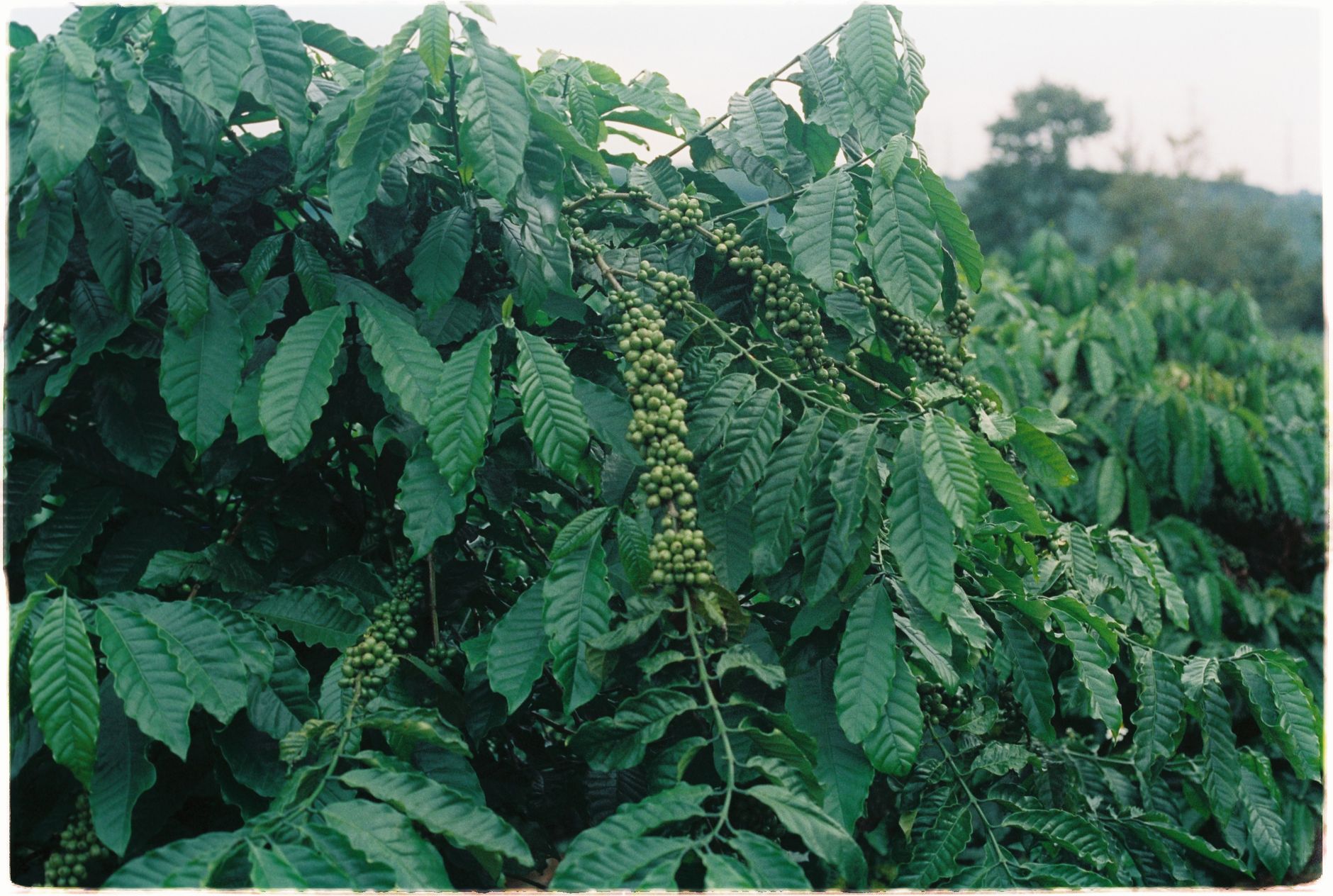
Coffee, much loved for its rich flavor and energizing qualities, begins its journey in subtropical and tropical climates around the globe. Identifying where coffee beans grow not only satisfies the curiosity of coffee lovers but also sheds light on the behind-the-scenes of this beloved beverage. Understanding the coffee bean’s origin can enhance appreciation for each cup brewed.
This article will explore the regions where coffee is grown, the varieties of coffee beans, and practical insights for home preparation, making it an essential guide for any coffee enthusiast.
Where Do Coffee Beans Grow?
Coffee beans primarily grow in what is known as the “Coffee Belt,” which wraps around the globe between the Tropics of Cancer and Capricorn. This area spans several continents, including Africa, South America, Asia, and Central America. The unique climate and conditions of these regions contribute significantly to the distinctive flavors found in various coffee beans.
The Coffee Belt: Key Regions of Coffee Cultivation
The Coffee Belt encompasses several vital coffee-growing regions, each providing distinct characteristics to their beans. Here are the major areas:
1. South America
South America is one of the largest coffee producers in the world, with Colombia and Brazil leading the way. The following are key aspects of coffee cultivation in this region:
- Brazil: As the world’s largest coffee producer, Brazil cultivates primarily Arabica beans. The country’s vast size leads to diverse growing conditions, resulting in various flavor profiles, including nutty and chocolate notes.
- Colombia: Known for high-quality Arabica beans, Colombian coffee is characterized by its smooth and well-balanced flavor, often with fruity and floral hints. The mountainous terrain provides ideal conditions for coffee growth.
2. Central America
Central America, particularly countries like Guatemala and Honduras, also plays a significant role in coffee production. Key points include:
- Guatemala: Coffee from Guatemala is often bold, full-bodied, and richly flavored, with notes of chocolate and spice. The volcanic soils and high altitudes contribute to its complex tastes.
- Honduras: With a growing reputation for coffee quality, Honduran beans can offer a sweet, medium body with fruity undertones, making them quite popular among coffee enthusiasts.
3. Africa
Africa, particularly Ethiopia and Kenya, is often regarded as the birthplace of coffee. Important aspects include:
- Ethiopia: Home to numerous heirloom varieties, Ethiopian coffee is renowned for its bright acidity and fruity, floral flavors. Many consider Sidamo and Yirgacheffe as the highlights of Ethiopian coffee.
- Kenya: Known for its high-quality Arabica beans, Kenyan coffee typically possesses high acidity, full body, and vibrant fruit flavors, featuring berry and citrus notes.
4. Asia
Asian countries such as Vietnam and Indonesia contribute significantly to global coffee production:
- Vietnam: Primarily a Robusta producer, Vietnam offers robust coffee with a strong, bold flavor, often with earthy notes. Its unique brewing methods, such as using drip filters, enhance the coffee experience.
- Indonesia: Known for rich, full-bodied coffee, Indonesia produces beans with earthy and spicy undertones. Regions like Sumatra and Java are well-known for their distinctive flavors.
Understanding Coffee Bean Varieties
The two primary types of coffee beans are Arabica and Robusta, each with distinct features and flavor profiles:
1. Arabica
Arabica coffee beans are popular for their sweet, soft taste and delicate acidity. Key points include:
- Usually grown in higher altitudes, Arabica beans thrive in cool climates.
- They account for about 60-70% of global coffee production.
- Arabica beans tend to have a more complex flavor profile, often showcasing fruity, floral, and nutty notes.
2. Robusta
Robusta beans have a stronger, harsher taste and contain more caffeine than Arabica. Notable characteristics include:
- Grown at lower altitudes, Robusta beans are hardier and can withstand harsher conditions.
- They represent about 30-40% of global coffee production.
- Robusta often carries earthy and bitter flavors, making it popular for espresso blends.
The Cultivation Process of Coffee
Understanding how coffee beans go from plant to cup provides greater appreciation for the final product. The cultivation process includes several key steps:
1. Planting
Coffee is usually grown from seeds that are planted in nurseries. After germination, the seedlings are nurtured until they reach a suitable height before being transplanted into the fields.
2. Growing
Coffee plants can take three to five years before they start producing cherries. They thrive in well-drained soil, and their growth is influenced by various factors such as climate and elevation.
3. Harvesting
Harvesting coffee cherries can be a labor-intensive process. In many regions, cherries are hand-picked at their peak ripeness, while others rely on mechanical harvesting.
4. Processing
Once harvested, cherries undergo processing, which can be done using two primary methods: washing and natural drying. Each method influences the flavor of the final coffee product.
5. Milling
The processed beans are then milled to remove any remaining layers. The beans are hulled, polished, and graded before moving on for export.
6. Exporting
Finally, coffee beans are packaged and shipped worldwide, where they are roasted and brewed into the coffee that many enjoy daily.
Practical Kitchen Uses for Coffee
Coffee beans hold a prominent place not only in beverages but also in various culinary applications. Here are some practical uses:
1. Coffee Brewing Methods
There are several methods to brew coffee, each providing distinct flavors:
- Drip Coffee Maker: A popular method where water is heated and dripped over coffee grounds, offering a smooth and consistent brew.
- French Press: Involves steeping coffee grounds in hot water before pressing down a metal or plastic plunger, resulting in a rich, full-bodied coffee.
- Espresso Machine: Forces hot water through finely-ground coffee, producing concentrated coffee with a rich flavor and crema on top.
- Pour-Over: A manual method that allows for precise control over pour speed and water temperature, enhancing flavor extraction.
2. Coffee in Cooking and Baking
Coffee can enhance flavors in various dishes, making it a versatile ingredient:
- Marinades: Coffee can tenderize meats and add depth when used in marinades for beef or pork.
- Desserts: Coffee is commonly used in desserts such as tiramisu or chocolate cakes to enhance the overall flavor profile.
- Ice Cream and Drinks: Coffee-infused ice cream, cocktails, and smoothies are delicious ways to incorporate coffee into a variety of treats.
3. Ingredient Pairings
Coffee pairs well with a variety of flavors, enhancing both sweet and savory dishes. Some common pairings include:
- Chocolate: Coffee enhances chocolate flavors, making these two ingredients perfect for decadent desserts.
- Nuts: Coffee complements the crunchy, rich flavors of nuts, making it an ideal addition to breakfast items or snacks.
- Spices: Cinnamon, nutmeg, and cardamom pair well with coffee in many recipes, adding warmth and complexity.
Making the Most of Your Coffee Beans
To maximize the flavor and freshness of your coffee, consider the following tips:
1. Storage
Store coffee beans in an airtight container in a cool, dark place. Avoid exposing them to light, heat, or moisture to preserve flavor.
2. Grinding
Grind coffee beans just before brewing to maintain freshness. Adjust grind size based on your brewing method; coarser for French Press, finer for espresso.
3. Water Quality
The quality of water used in brewing significantly affects coffee flavor. Use filtered water for the best results.
Common Mistakes and Troubleshooting
When brewing coffee, it’s easy to make mistakes. Here are some typical errors and suggestions for improvement:
1. Incorrect Coffee-to-Water Ratio
Using too much or too little coffee can lead to bitter or weak flavors. A standard guideline is two tablespoons of coffee per six ounces of water, but adjust to personal taste.
2. Brewing Temperature
Water that is too hot can extract undesirable flavors, while water that is too cool will result in under-extraction. Aim for a brewing temperature between 195°F to 205°F.
3. Over- or Under-Brewing
Timing is crucial in the brewing process. Oversaturating coffee grounds or brewing for too long can cause bitterness. Monitor steeping times to avoid this issue.
Final Thoughts
Understanding where coffee beans grow and how they are cultivated enriches the experience of enjoying a cup of coffee. From the origins in the Coffee Belt to the diverse brewing methods and culinary applications, coffee offers an impressive gastronomic adventure.
For those who seek to explore different coffee experiences before brewing, consider trying unique recipes such as an iced Americano or a protein coffee blend. Both options highlight coffee’s versatility while providing refreshing and energizing alternatives.
Delve deeper into the world of coffee and discover more through our featured guides and recipes.
Explore related recipes, cooking tips, or food guides to broaden your culinary skills. Discover an iced Americano recipe or try a protein coffee recipe for a delightful twist on your morning coffee.