
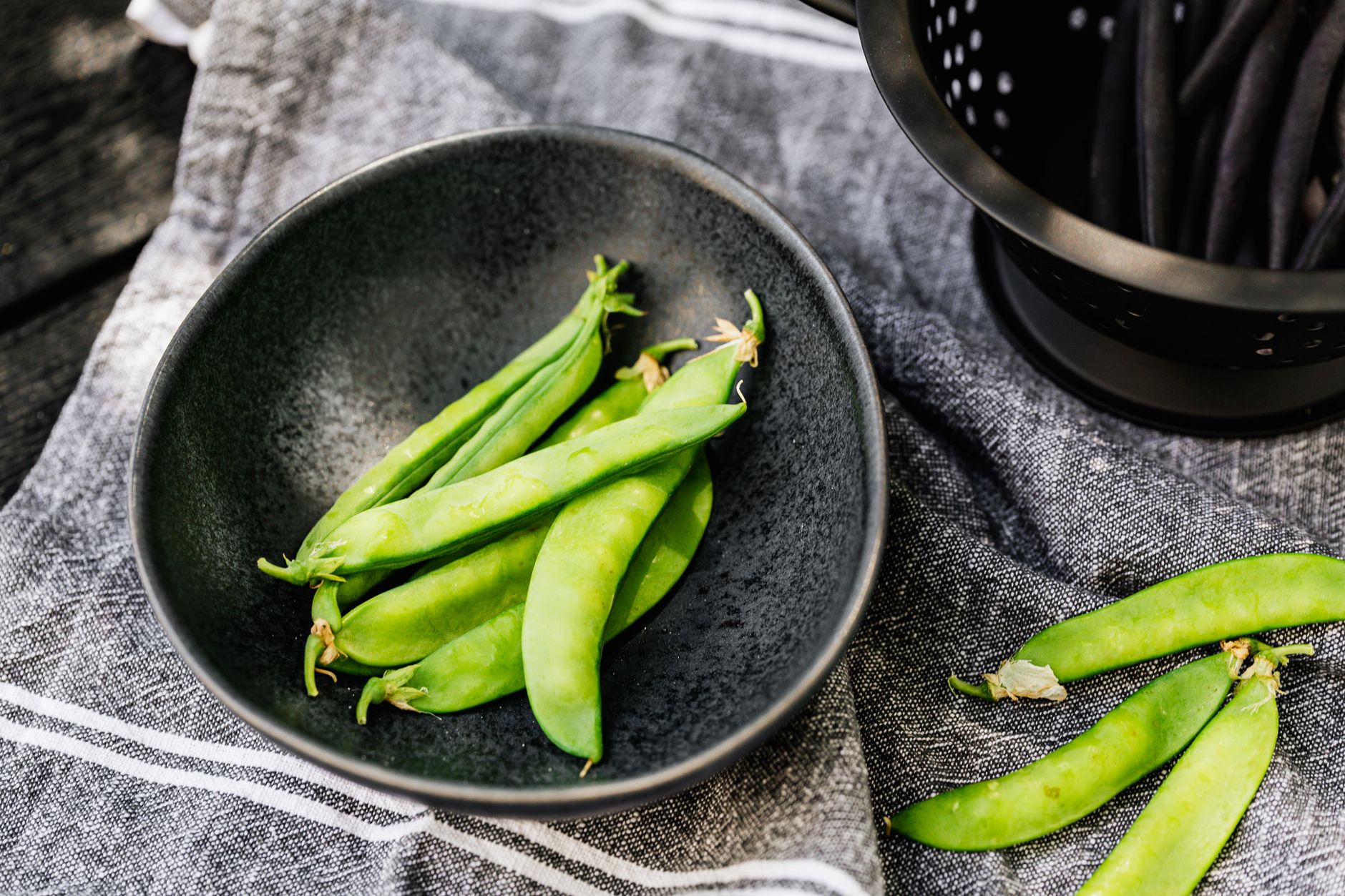
Pigeon peas, also known as Cajanus cajan, are a versatile legume widely used in various cuisines around the world. Known for their nutty flavor and firm texture, they are an excellent source of protein, making them a staple in vegetarian and vegan cooking. Their adaptability allows them to shine in numerous dishes, from stews to salads.
This article explores everything you need to know about pigeon peas, including their ingredients, flavor profile, culinary uses, preparation methods, and serving suggestions. Whether you’re a seasoned cook or a newcomer in the kitchen, you’ll find useful insights to incorporate this nutritious legume into your meals.
What Is Pigeon Peas?
Pigeon peas are small, oval-shaped legumes native to Africa and widely grown in tropical and subtropical regions. They belong to the family Fabaceae and are known for their ability to thrive in poor soil, making them a key crop in many developing areas. Pigeon peas come in several varieties, ranging in color from green to yellow and brown. They can be cooked fresh, dried, or ground into flour.
Flavor and Texture of Pigeon Peas
The flavor of pigeon peas is often described as earthy and slightly nutty, with a subtle sweetness. When cooked, they have a firm texture that retains its integrity, making them suitable for various dishes. They absorb flavors well, allowing them to complement spices and ingredients in soups, salads, and side dishes.
Culinary Uses of Pigeon Peas
Pigeon peas are incredibly versatile and can be served in a variety of ways. Here are some common culinary applications:
- Main Dishes: Pigeon peas form the base of hearty stews and curries, often combined with rice or other legumes.
- Salads: Cooked and cooled pigeon peas add a protein punch to salads and grain bowls.
- Side Dishes: They can be served as a side dish, sautéed with spices or vegetables.
- Soups: Pigeon peas are often included in soups for added texture and nutrition.
- Snacks: Roasted pigeon peas are a popular snack in some regions.
Buying and Storing Pigeon Peas
Pigeon peas can be found in many grocery stores, particularly in international or specialty foods sections. When purchasing pigeon peas, look for the following:
- Dried Pigeon Peas: Opt for dried peas that are uniform in color and free from any signs of moisture or pests.
- Canned Pigeon Peas: If using canned peas, check the label for added ingredients, and choose those with little or no added salt.
Once purchased, store dried pigeon peas in an airtight container in a cool, dark place. They have a long shelf life and can generally last for up to two years when stored correctly. Canned pigeon peas should be used before the expiration date and can be refrigerated after opening for up to three days.
Preparing Pigeon Peas
Cooking dried pigeon peas requires some prep work, but the process is straightforward. Follow these steps to prepare them for your dish:
- Rinsing: Rinse dried pigeon peas under cold running water to remove any dust or impurities.
- Soaking: For best results, soak the peas in water for at least 4 hours or overnight. This helps reduce cooking time and improves their texture.
- Cooking: Drain the soaked peas, then place them in a pot with fresh water. Bring to a boil, then lower to a simmer. Cook for 25-30 minutes until tender. If unsoaked, they may take 35-45 minutes.
Cooking Techniques
There are several methods to cook pigeon peas, depending on your time constraints and desired results. Here are some popular techniques:
Boiling
Boiling is the most common way to cook pigeon peas. This method is simple and requires no special equipment:
- Place the rinsed and soaked pigeon peas in a large pot with enough water to cover them by several inches.
- Bring the water to a rolling boil over medium-high heat.
- Reduce the heat to low and simmer for the recommended time, checking for tenderness.
- Once cooked, drain excess water and season as desired.
Pressure Cooking
Using a pressure cooker is a quick and efficient way to prepare pigeon peas:
- Rinse and soak the dried peas as mentioned earlier.
- Add the soaked pigeon peas to the pressure cooker with enough water to cover them.
- Seal the lid and cook under high pressure for about 15 minutes for soaked peas (20-25 minutes for unsoaked).
- Allow the pressure to release naturally before opening the lid.
Sautéing
For a flavorful side dish or addition to salads, sauté cooked pigeon peas:
- Heat a small amount of oil in a pan over medium heat.
- Add cooked pigeon peas, along with spices and aromatics like garlic and onion.
- Sauté until heated through and then serve.
Common Mistakes to Avoid
Here are some common pitfalls to watch out for when cooking pigeon peas:
- Not Soaking: Failing to soak the peas can lead to longer cooking times and a less desirable texture.
- Overcooking: Be mindful to check for doneness, as overcooking can cause the peas to become mushy.
- Inadequate seasoning: Pigeon peas can be somewhat plain on their own, so don’t forget to season them generously with herbs and spices!
Serving Suggestions
Pigeon peas can feature prominently in a meal or serve as a complement to other dishes. Here are several serving ideas to inspire you:
- Rice and Peas: Serve pigeon peas alongside rice or as part of a rice dish for a filling meal.
- In Salads: Toss cooled pigeon peas into leafy greens with a zesty dressing for a refreshing salad.
- In Curries: Incorporate pigeon peas into curry dishes, pairing them with coconut milk and spices for a rich flavor.
- In Soups: Add pigeon peas to hearty vegetable or chicken soups for added protein.
- With Bread: Serve pigeon peas alongside crusty bread or in a hearty sandwich for a satisfying lunch.
Practical Substitutions
If you find yourself without pigeon peas, several alternatives work well depending on your recipe and desired flavor:
- Chickpeas: These have a similar texture and can be used in salads, stews, and curries. They have a slightly different flavor.
- Lentils: While they cook faster and require less soaking time, lentils can replace pigeon peas in soups and stews.
- Split Peas: Green or yellow split peas can be used, though they may alter the flavor and consistency of your dish.
Nutrition and Health Benefits
Pigeon peas are packed with nutrition. They are an excellent source of plant-based protein, fiber, vitamins, and minerals, making them a valuable component in a balanced diet.
- Protein: Pigeon peas provide a significant amount of protein, making them ideal for vegetarians and vegans.
- Fiber: The fiber content in pigeon peas aids digestion and helps maintain a healthy gut.
- Vitamins and Minerals: They contain important nutrients such as folate, magnesium, and potassium.
While pigeon peas are nutritious, moderation and balance in your overall diet are essential. Always consider your personal dietary needs and consult with a healthcare professional if necessary.
Exploring Global Cuisines with Pigeon Peas
Pigeon peas are utilized in various cuisines around the world, celebrating their unique qualities. Here’s how different cultures use pigeon peas:
- Indian Cuisine: Often featured in dal dishes, pigeon peas are cooked with spices and served with bread or rice.
- Caribbean Cuisine: In many Caribbean islands, they are a key ingredient in rice and peas dishes, often cooked with coconut milk.
- African Cuisine: In Africa, pigeon peas are sometimes fried or incorporated into savory dishes with meat and vegetables.
- Latin American Cuisine: Pigeon peas are frequently used in stews and are known as “gandules” in regions like Puerto Rico.
Incorporating Pigeon Peas into Your Meals
To effectively incorporate pigeon peas into your meals, consider meal planning that emphasizes this versatile legume. Here are some suggestions:
- Pre-cook and Store: Cook a large batch of pigeon peas and store them in the refrigerator or freezer for quick meal additions.
- Combine Flavors: Pair pigeon peas with complementary ingredients such as spices, bell peppers, or herbs to enhance their natural flavor.
- Experiment: Try different cooking methods and recipes to discover how pigeon peas can transform your meals.
Whether you’re looking to upgrade your vegetarian recipes, add nutritious components to your meals, or explore global cuisines, pigeon peas offer an excellent option. Their unique flavor, texture, and adaptability make them a fantastic ingredient to keep in your pantry.
Pigeon peas have much to offer as an ingredient. The next time you’re planning your meals, think about how this legume can add depth and nutrition to your dishes. If you’re interested in trying out different recipes, check out these delicious pasta and peas and creamed peas ideas!