
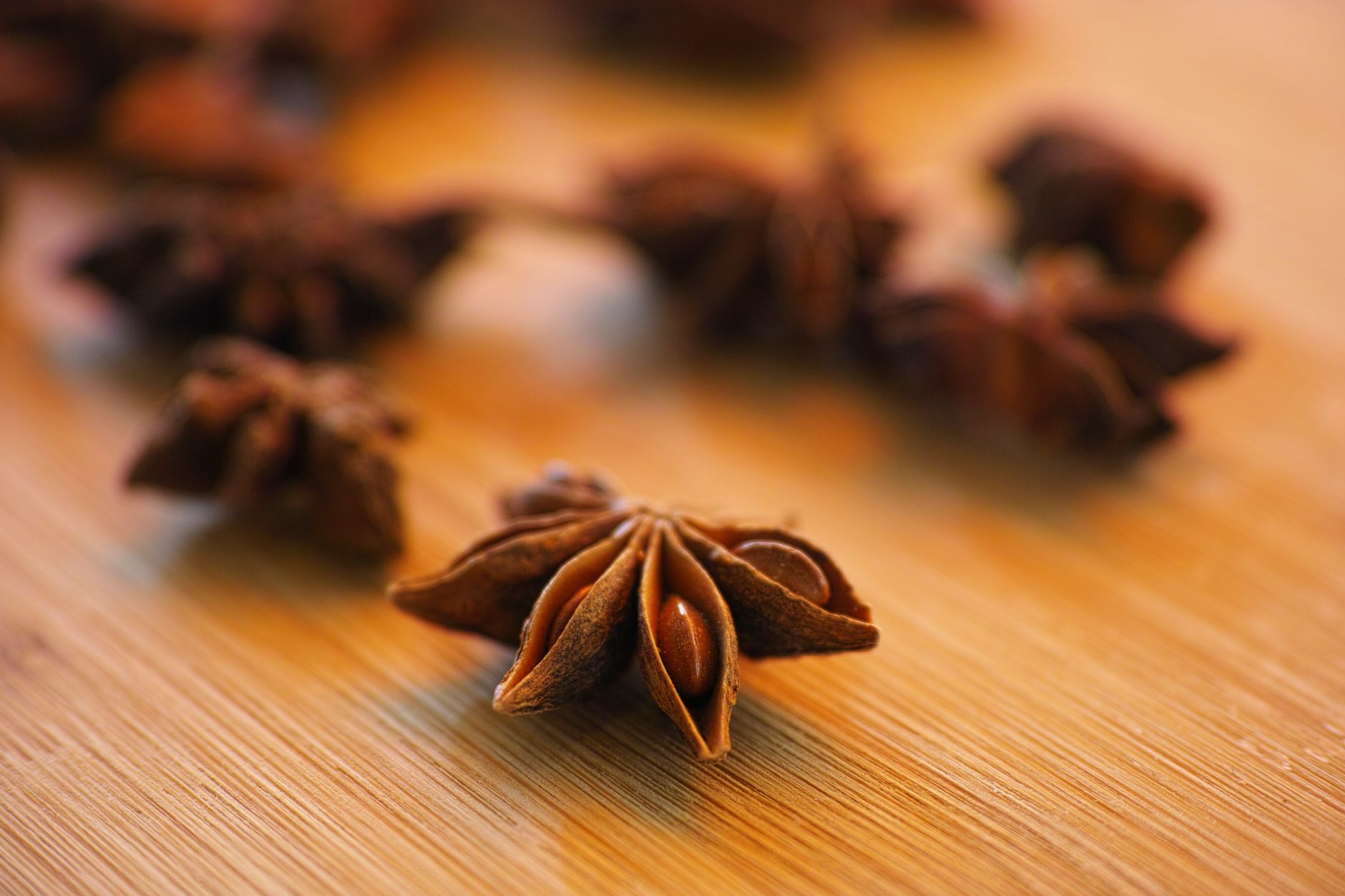
Anise is a distinctive spice that adds a unique flavor to many dishes and beverages. Its sweet, aromatic profile can evoke memories of other familiar spices, yet it holds a character all its own. Understanding anise’s flavor and potential uses is essential for home cooks and professional chefs alike.
This article will explore the flavor, texture, and various serving ideas for anise, along with tips for incorporating it into your culinary repertoire.
What Flavor Is Anise?
Anise has a sweet, licorice-like flavor that is often described as warm and aromatic. It is commonly compared to fennel seeds and star anise, both of which share some flavor similarities but also have distinct characteristics. The intensity of anise can vary, with whole seeds being milder than ground anise.
The texture of anise seeds is small and slightly hard and chewy when bitten into. When cooked or infused, anise seeds release their essential oils, imparting their unique flavor into dishes, beverages, and desserts.
The Different Forms of Anise
Anise is available in several forms, each with its own culinary uses:
- Whole Anise Seeds: These are small, oval seeds that can be used in cooking and baking. They need to be crushed or ground to release their flavor fully.
- Ground Anise: This form is made by grinding the whole seeds into a powder. It is convenient for baking and cooking as it combines readily into dishes.
- Anise Oil: Extracted from the seeds, this oil is very concentrated and should be used sparingly. It is often utilized in flavoring liqueurs and candy.
- Star Anise: Although not the same as true anise, star anise has a similar flavor profile and can often be used interchangeably in recipes.
Culinary Uses of Anise
Anise can be found in both savory and sweet dishes across various cuisines. Here are some popular uses:
Savory Dishes
Anise is often featured in European and Mediterranean cuisine, adding depth to stews, roasted meats, and seafood dishes. It can complement ingredients like:
- Pork
- Fish, especially oily fish
- Carrots
- Potatoes
For example, anise can enhance the flavor of roasted pork, giving it a sweet, herbaceous quality that harmonizes with the meat’s richness.
Baking
In baking, anise is commonly used in breads, cookies, and cakes. Its sweet flavor pairs well with spices like cinnamon and nutmeg. Classic baked goods that utilize anise include:
- Italian Pizzelle
- Springerle Cookies
- German Anise Bread
When baking, ground anise or anise extract can be easily incorporated into doughs and batters, imparting its unique flavor throughout the treat.
Beverages
Anise is also widely used in beverages, both alcoholic and non-alcoholic. Some traditional drinks that feature anise flavor include:
- Pastis
- Ouzo
- Anisette
- Herbal teas
When making herbal teas, adding a few whole anise seeds or a drop of anise oil can create a comforting, aromatic beverage.
Condiments and Seasonings
Anise can be ground into a spice mix or infused into marinades, dressings, or sauces, giving a warm, sweet dimension to the dish. It pairs beautifully with:
- Honey
- Vinegars
- Mustards
In sauces, particularly in Asian cuisine, adding star anise can give dishes an aromatic quality that enhances the overall flavor.
How to Cook with Anise
When cooking with anise, there are several methods to maximize its flavor and ensure it enhances your dish:
- Toasting: Gently toast whole anise seeds in a dry pan to release their essential oils and intensify their flavor before adding them to your dish.
- Infusion: For soups and stews, add whole seeds during cooking to infuse their flavor without overpowering the dish.
- Ground Anise: Use ground anise in equal parts when substituting for whole seeds. However, remember that ground spices are stronger so it’s best to start with less and adjust as necessary.
Practical Substitutions for Anise
If you don’t have anise on hand, there are several alternatives you can consider:
- Fennel Seeds: These seeds carry a similar flavor profile, although they may be slightly sweeter. Use them in equal amounts.
- Star Anise: This spice can be used in place of anise at a 1:1 ratio, though it tends to have a stronger flavor.
- Licorice Root: If you’re looking for a sweet flavor, consider using licorice root powder. However, it can sometimes be challenging to find.
Be mindful that while each substitute brings a slightly different flavor, they can still provide that sweet, aromatic characteristic found in anise.
Common Mistakes When Using Anise
When cooking with anise, certain pitfalls can detract from its flavor. Here are some common mistakes and how to avoid them:
- Using Too Much: Anise is potent, so using too much can overpower your dish. Start with a small amount and add more as needed.
- Using Ground Anise Instead of Whole: Whole seeds retain their flavor longer. If possible, buy whole anise seeds and grind them as needed for maximum freshness.
- Neglecting to Toast Seeds: Toasting releases essential oils and enhances flavor. Always consider toasting before adding to your recipes.
Storage and Shelf Life of Anise
Proper storage of anise is essential for maintaining its flavor and effectiveness:
- Whole Anise Seeds: Store in a cool, dark place in an airtight container. They can last up to three years.
- Ground Anise: Like other ground spices, it should also be kept in an airtight container, preferably in a cool and dark location. It retains its best quality for about six months.
- Anise Oil: Store in a cool, dark place, and use within a year for optimal freshness.
Flavor Pairings with Anise
Anise has a fantastic ability to pair well with a variety of flavors, enhancing and balancing them. Consider these complementary pairings:
- Citrus fruits (e.g., oranges and lemons)
- Warm spices (e.g., cinnamon, nutmeg, cloves)
- Herbs (e.g., mint, thyme, rosemary)
- Sweeteners (e.g., honey and brown sugar)
Combining these flavors with anise can create a harmonious dish with depth and complexity.
Experimenting with Anise in Your Cooking
If you’re new to using anise, start by incorporating it into familiar dishes. Here are some simple ideas:
- Add a pinch of ground anise to your pancake batter for a unique twist.
- Incorporate whole seeds into vegetable stir-fries for added flavor.
- Introduce anise into marinades for grilled meats or veggies.
Exploring anise can open avenues for creativity in your cooking, enhancing traditional recipes with its unique flavor.
Conclusion
Anise is a versatile spice that can enhance a wide range of dishes, from savory meals to delectable desserts. Its sweet, aromatic profile and ability to pair well with various ingredients make it a valuable addition to any pantry. By understanding its flavors and practical uses, you can elevate your culinary creations with ease.
Explore more about different flavors by checking out what saffron tastes like or what thyme tastes like for your next cooking adventure.