
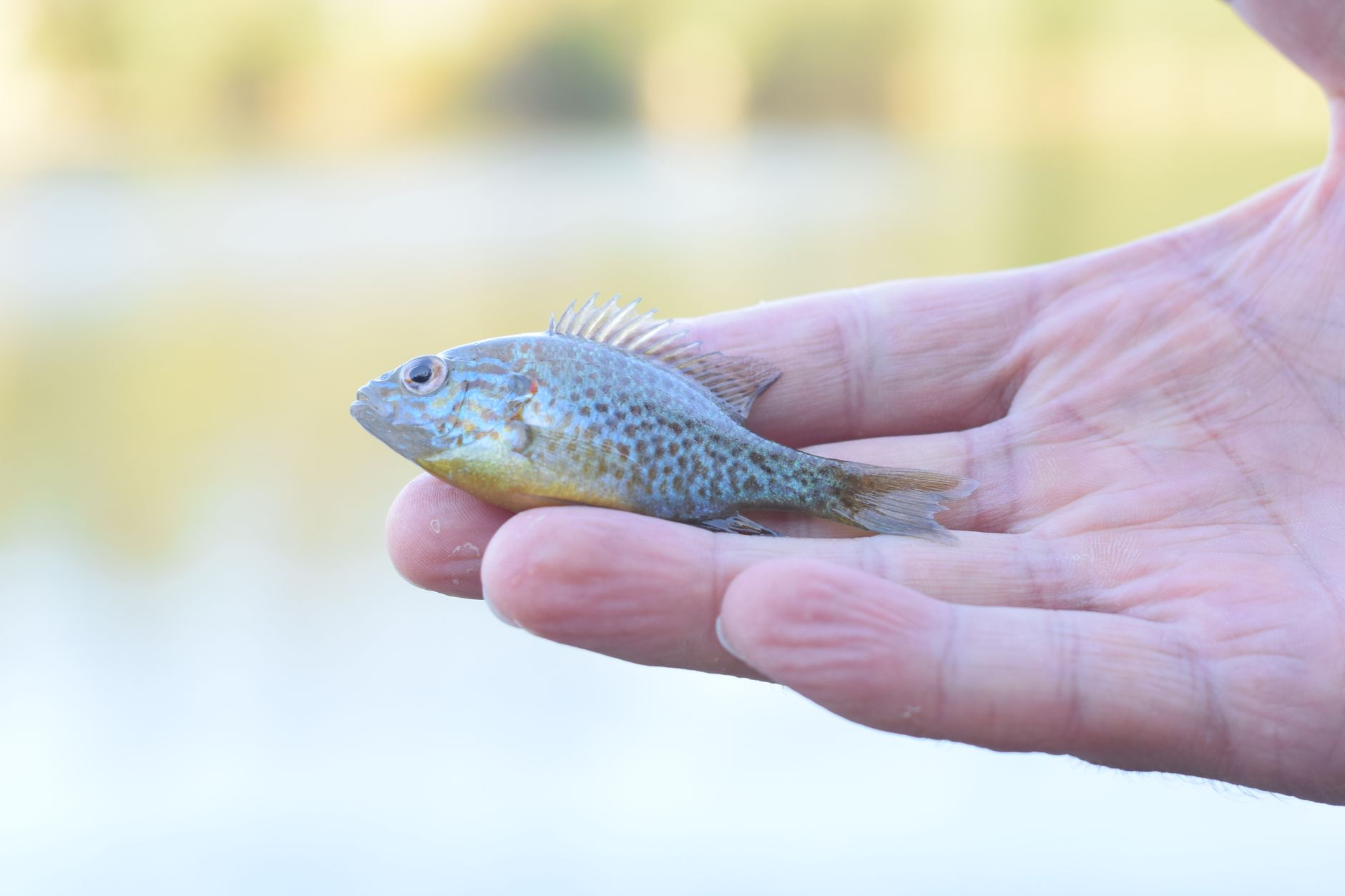
Bluegill, a popular freshwater fish, is often found in lakes and rivers across North America. Known for its distinct flavor and flaky texture, many people wonder, “Does bluegill taste good?” This article explores the taste, cooking methods, serving ideas, and ways to enhance its natural flavors.
Whether you’re an experienced angler or a novice cook looking to experiment, understanding the flavor profile and culinary uses of bluegill will help you decide if it deserves a spot on your dinner table.
Does Bluegill Taste Good?
Yes, bluegill does taste good! The meat is mild and slightly sweet, with a delicate, flaky texture that many fish lovers appreciate. When cooked properly, bluegill can offer a delightful eating experience, making it versatile for various recipes and culinary techniques.
Flavor Profile of Bluegill
Bluegill’s flavor is best described as mild and slightly sweet, which makes it an excellent candidate for many different seasonings and cooking methods. When fresh, the flesh is bright white with a translucent appearance before being cooked. The mildness of bluegill allows it to pair well with a wide variety of marinades and sauces.
Texture
The texture of bluegill is delicate and flaky once cooked. This fish has a low-fat content compared to other varieties, resulting in a clean bite that many enjoy. When prepared correctly, it can be deliciously tender, with the flakes easily separating with a fork.
Cooking Methods for Bluegill
Bluegill can be cooked in multiple ways, each bringing out unique flavors and textures. Here are some popular cooking methods for bluegill:
Pan-Frying
Pan-frying is one of the most common ways to prepare bluegill. The key is to ensure the fish is coated properly and cooked at the right temperature for the best results.
- Preparation: Dredge the fish in seasoned flour or cornmeal for added crunch.
- Heat: Use medium-high heat for a crispy exterior.
- Cooking Time: Cook for about 3-4 minutes per side until golden brown.
Baking
Baking bluegill is another healthy option that requires minimal oil while preserving the fish’s natural flavors.
- Temperature: Preheat your oven to 375°F (190°C).
- Preparation: Place bluegill in a baking dish and lightly drizzle with olive oil, lemon juice, and seasonings.
- Cooking Time: Bake for 15-20 minutes until fish flakes easily with a fork.
Grilling
Grilling adds a lovely smoky flavor to bluegill. Skewering the fish on skewers or using a fish basket can help keep the delicate fillets intact.
- Preheat Grill: Get the grill hot to about 350°F (180°C).
- Preparation: Marinate the fish or season generously before placing it on the grill.
- Cooking Time: Grill for approximately 4-5 minutes per side
Serving Ideas for Bluegill
Bluegill is versatile and can be served with various sides and sauces. Here are some ideas to inspire your bluegill meals:
Classic Sides
Pairing bluegill with classic sides enhances the dining experience. Some popular options include:
- Coleslaw: The crunchiness pairs well with the flaky fish.
- Fries: Fish and chips-style dishes are always a hit.
- Grilled Vegetables: Provides a healthy balance and beautiful presentation.
Flavorful Sauces and Marinades
Elevate bluegill further by experimenting with sauces and marinades. Consider:
- Lemon Butter Sauce: A simple mix of butter, garlic, and fresh lemon for a zesty finish.
- Sweet and Sour Sauce: For an Asian-inspired twist.
- Remoulade: For a Southern twist, serve bluegill with a spicy remoulade sauce.
Practical Tips for Cooking Bluegill
Cooking bluegill can be straightforward, but a few tips can enhance the quality of your dish:
1. Freshness Matters
Always choose fresh bluegill. Look for clear, bright eyes, shiny scales, and a clean smell. Fresh fish has a better texture and flavor.
2. Don’t Overcook
Overcooking can dry out the delicate meat. Aim for the fish to flake easily but still appear moist. Monitor cooking times closely.
3. Seasoning is Key
Because bluegill’s natural flavor is mild, don’t shy away from bold seasonings. Garlic, herbs, lemon zest, and a blend of spices can enhance its taste.
Popular Bluegill Recipes
Here are a few recipes that highlight the best cooking techniques and flavors for bluegill:
Bluegill Fillets Pan-Fried with Lemon Herb Seasoning
This simple pan-fried recipe combines fresh flavors that complement the fish well. It’s quick to prepare and makes a wonderful weeknight meal.
Ingredients
- 1 pound bluegill fillets
- 1/2 cup all-purpose flour
- 1 teaspoon garlic powder
- 1 teaspoon dried parsley
- 1/2 teaspoon salt
- 1/4 teaspoon pepper
- 1/2 cup olive oil or vegetable oil
- 1 lemon, cut into wedges
Method
- In a shallow dish, combine flour, garlic powder, parsley, salt, and pepper.
- Heat oil in a skillet over medium-high heat.
- Dredge bluegill fillets in the flour mixture, shaking off excess.
- Place fillets in the skillet, cooking for about 3-4 minutes on each side or until golden brown.
- Serve with lemon wedges on the side for squeezing over the fillets.
Baked Bluegill with Italian Herbs
This baked version is healthier and easier, retaining moisture and enhancing the fish flavor with Italian seasonings.
Ingredients
- 1 pound bluegill fillets
- 4 tablespoons olive oil
- 2 tablespoons lemon juice
- 1 teaspoon dried oregano
- 1 teaspoon dried basil
- Salt and pepper to taste
Method
- Preheat your oven to 375°F (190°C).
- Arrange bluegill fillets in a baking dish.
- In a small bowl, mix olive oil, lemon juice, oregano, basil, salt, and pepper.
- Drizzle the mixture over the fillets.
- Bake for 15-20 minutes or until the fish flakes easily with a fork.
Conclusion
Bluegill is an excellent choice for those seeking a mild freshwater fish with a delicate texture. With various cooking methods and a range of side options, bluegill can take center stage at your dining table. Try out different recipes and serving ideas to discover the best preparations for this delightful fish.
Ready to explore more recipes and cooking tips? Check out our guide on walleye or learn how to prepare ahi tuna for your next meal adventure.