
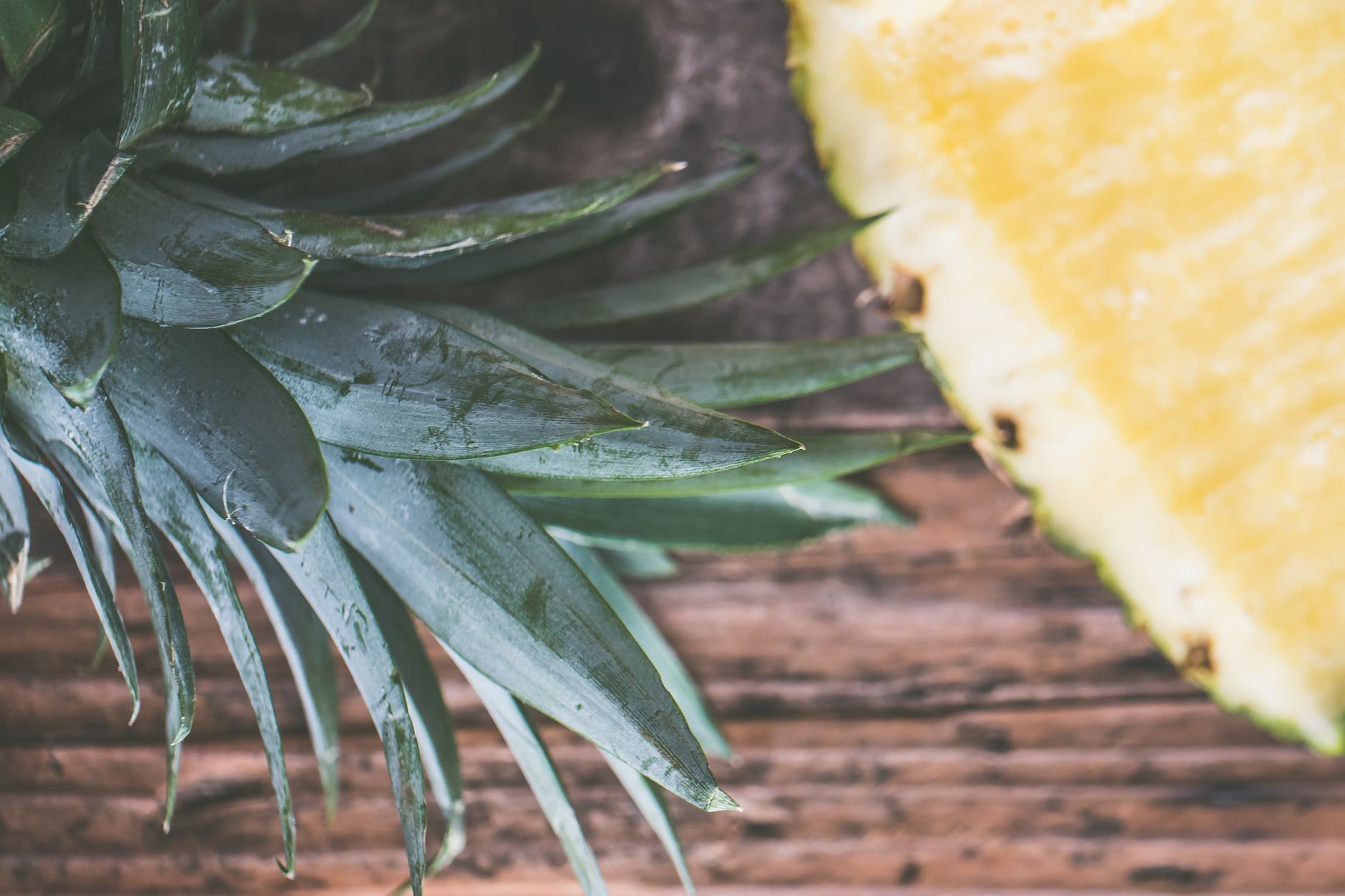
Pineapple is a tropical fruit known for its sweet and tangy flavor, often enjoyed in various dishes, smoothies, and desserts. However, some people question whether it can lead to constipation. Understanding pineapple’s role in digestion and dietary fiber can help clarify this concern, allowing you to enjoy this delicious fruit without worry.
This article delves into the relationship between pineapple consumption and constipation. We will examine its nutritional profile, digestive properties, and how it interacts with other foods in your diet. Additionally, we will explore ways to incorporate pineapple into your meals for a healthy digestive system.
Does Pineapple Cause Constipation?
Generally, pineapple does not cause constipation; in fact, it may help alleviate it. Pineapple is rich in dietary fiber, particularly in its skin and core. Furthermore, it contains bromelain, an enzyme that aids digestion. Eating pineapple in moderation can be beneficial, but individual responses to this fruit may vary.
Pineapple’s Nutritional Profile
To better understand the effects of pineapple on digestion, it is crucial to look at its nutritional content. Pineapple is not only delicious but also has various beneficial components. Here’s a closer look at what makes pineapple a healthy addition to your diet:
- Vitamins: Pineapple is high in vitamin C, which supports immune function and helps your body absorb iron.
- Minerals: It provides manganese, copper, and potassium, essential for various bodily functions, including metabolism and heart health.
- Dietary Fiber: A medium pineapple contains about 13 grams of fiber, which can help promote regular bowel movements.
- Bromelain: This enzyme found in pineapple may assist in breaking down proteins, making digestion smoother.
The Role of Dietary Fiber in Digestion
Dietary fiber plays a crucial role in maintaining digestive health. There are two main types of fiber: soluble and insoluble. Both types are important for a healthy digestive system:
- Soluble Fiber: This type dissolves in water and is found in foods like fruits, oats, and legumes. It helps slow down digestion and can regulate blood sugar levels.
- Insoluble Fiber: Found in whole grains, nuts, and vegetables, this type adds bulk to stool and helps it pass through the digestive tract more easily.
Pineapple primarily contains soluble fiber, which is essential for maintaining regular bowel movements. The fiber in pineapple can help absorb excess water in the intestines, softening stool and facilitating easier passage. This quality makes pineapple a potential ally against constipation rather than a cause.
Bromelain and Digestion
Bromelain is a proteolytic enzyme found in pineapple that helps break down protein molecules into smaller fragments. This process aids digestion and can enhance nutrient absorption. Bromelain may also have anti-inflammatory properties, which can support gut health. By helping your body digest protein more efficiently, bromelain reduces the likelihood of digestive discomfort and irregularity.
Individual Responses to Pineapple
While pineapple generally supports digestive health, individual responses can vary. Some people might experience discomfort or an upset stomach after consuming pineapple, particularly in large amounts due to its acidity. Here are a few key points to consider regarding individual responses:
- Allergies: Some individuals may be allergic to pineapple or have sensitivities that cause digestive issues.
- Acidity: The acidity of pineapple can aggravate acid reflux or heartburn in some people, leading to discomfort that may mimic constipation.
- Fiber Sensitivity: For those not used to consuming high-fiber foods, introducing pineapple or other fibrous foods too quickly may cause bloating or gas.
If you are unsure about how pineapple affects you personally, it’s best to start with small amounts and monitor your body’s response before incorporating more of it into your diet.
How to Incorporate Pineapple into Your Diet
Incorporating pineapple into your meals can be a delicious way to enjoy its health benefits and aid digestion. Here are some creative ideas for adding pineapple to your diet:
1. Fresh Pineapple Slices
Slicing fresh pineapple is an easy way to enjoy its sweet flavor as a snack. Pair it with yogurt or cottage cheese for a protein boost, along with a satisfying crunch.
2. Pineapple Smoothies
Add pineapple chunks to your favorite smoothie recipes. Combine it with spinach, bananas, and almond milk for a nutrient-packed drink that supports your digestive health.
3. Pineapple Salsa
Create a fresh pineapple salsa by mixing diced pineapple with red onion, cilantro, jalapeños, and lime juice. This refreshing topping works wonderfully with grilled fish or chicken.
4. Pineapple in Salads
Add pineapple to salads for a burst of flavor. Try a tropical salad with mixed greens, mango, coconut, and grilled chicken, topped with a lime vinaigrette.
5. Grilled Pineapple
Grilling pineapple caramelizes its natural sugars, enhancing its sweetness. Serve grilled pineapple as a side dish or dessert, perhaps with a scoop of vanilla ice cream.
6. Pineapple Juice
Pineapple juice, when enjoyed in moderation, can provide hydration and digestion support. Use it as a base for smoothies or sip it straight as a refreshing drink.
Pineapple Recipes for Digestive Health
Here are a couple of pineapple-infused recipes that not only highlight its flavor but also promote digestive wellness:
Pineapple and Spinach Smoothie
This smoothie is rich in fiber and nutrients, making it a perfect addition to your morning routine.
- Yield: 2 servings
- Preparation Time: 5 minutes
Ingredients:
- 1 cup fresh or frozen pineapple chunks
- 1 banana
- 2 cups fresh spinach
- 1 cup almond milk (or your preferred milk)
- 1 tablespoon chia seeds (optional)
Instructions:
- In a blender, combine pineapple chunks, banana, spinach, and almond milk.
- Add chia seeds if desired and blend until smooth.
- Pour into glasses and enjoy immediately.
Tropical Grilled Chicken with Pineapple
This dish combines the wonderful flavors of grilled chicken and pineapple for a refreshing meal.
- Yield: 4 servings
- Preparation Time: 15 minutes
- Cooking Time: 15 minutes
- Total Time: 30 minutes
Ingredients:
- 4 boneless, skinless chicken breasts
- 1 cup fresh pineapple, diced
- 1/4 cup soy sauce
- 2 tablespoons honey
- 1 tablespoon olive oil
- 1 teaspoon garlic powder
- Salt and pepper, to taste
Instructions:
- In a bowl, mix soy sauce, honey, olive oil, garlic powder, salt, and pepper to create a marinade.
- Add chicken breasts to the marinade, ensuring they are well-coated. Let marinate for at least 15 minutes.
- Preheat the grill to medium-high heat. Grill chicken for about 6-7 minutes on each side, until fully cooked.
- Add diced pineapple to the grill during the last 2-3 minutes of cooking until slightly charred.
- Serve the grilled chicken topped with pineapple.
Practical Tips for Digestive Health
While pineapple can be beneficial, it’s essential to maintain a balanced diet and digestion-friendly habits. Here are some practical tips to help keep your digestive system healthy:
- Stay Hydrated: Drinking enough water is crucial for digestion. Aim for at least eight 8-ounce glasses each day.
- Eat a Balanced Diet: A varied diet rich in fruits, vegetables, whole grains, and lean proteins will support digestive health.
- Incorporate Probiotics: Foods like yogurt, kefir, sauerkraut, and kimchi are excellent for gut health, helping to maintain proper digestion.
- Avoid Excessive Processed Foods: Limit the intake of processed foods high in sugar, salt, and unhealthy fats, which can disrupt digestive health.
- Exercise Regularly: Physical activity promotes regular bowel movements and supports overall digestive health.
Common Mistakes When Consuming Pineapple
While pineapple can be a beneficial addition to your diet, there are a few common mistakes to avoid to ensure you obtain its health benefits without digestive discomfort:
- Overconsumption: Eating pineapple in excessive amounts may lead to digestive discomfort due to its acidity and fiber content. Moderation is essential.
- Ignoring Allergies/Sensitivities: Some people may be allergic to pineapple or be sensitive to its acidity. Pay attention to your body’s reactions.
- Failing to Balance with Other Foods: Always pair pineapple with a variety of other foods, especially those high in fiber, to enhance digestive health.
Storage and Freshness Tips
To enjoy pineapple at its best, proper storage is essential. Here are some tips for keeping your pineapple fresh:
- Whole Pineapple: Store it at room temperature until it’s ripe. Once ripe, you can place it in the fridge for up to 3-5 days.
- Cuts and Chunks: If you have leftover cut pineapple, store it in an airtight container in the refrigerator for up to 3-5 days.
- Freezing Pineapple: For longer storage, you can freeze pineapple chunks. Spread them on a baking sheet to freeze individually before transferring them to a freezer-safe bag.
In summary, pineapple is not known to cause constipation and can actually support digestion when consumed in moderation. Its fiber content and bromelain enzyme contribute to a healthy gastrointestinal system. Always listen to your body and adjust your pineapple intake based on your individual tolerance and preferences.
Explore more about vegetables and their effects on digestion, such as does cabbage make you poop, or learn about the benefits of pineapple for men with our article on what pineapple can do for men. Enjoy discovering new ways to enhance your meals while promoting health!