
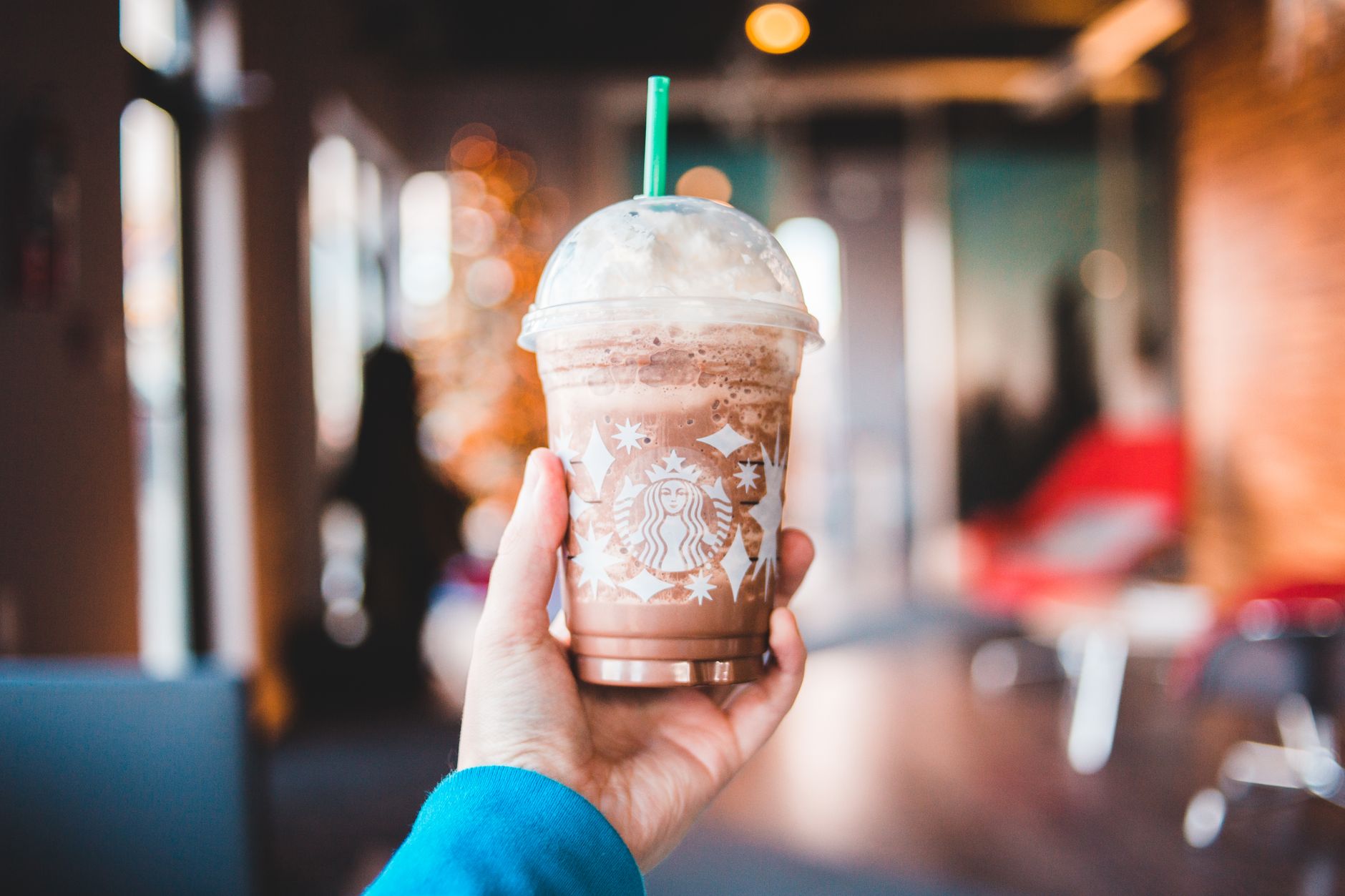
Starbucks Frappuccino is a beloved frozen beverage that combines ice, coffee, and a rich array of flavors. Whether enjoyed as a midday pick-me-up or an indulgent treat, many people are curious about the caffeine content in these drinks. This guide will explore how much caffeine is typically found in various Starbucks Frappuccino flavors, helping you choose the right drink based on your caffeine tolerance.
Caffeine content can vary significantly depending on the size of the Frappuccino, as well as the specific ingredients used. In this article, we will break down the caffeine levels for popular Frappuccino options, compare them to other beverages, and provide useful tips for minimizing or maximizing your caffeine intake.
How Much Caffeine Is In Starbucks Frappuccino?
The caffeine content in a Starbucks Frappuccino generally ranges from 70 to 150 milligrams per serving, depending on the type of Frappuccino and its size. Let’s explore some popular options to understand their specific caffeine levels.
Popular Starbucks Frappuccino Examples
Starbucks offers a variety of Frappuccino flavors, each with different caffeine levels. Here’s a breakdown of the caffeine content in some commonly ordered Frappuccinos:
- Mocha Frappuccino (Tall – 12 fl oz): Approximately 100 mg of caffeine
- Caramel Frappuccino (Tall – 12 fl oz): Approximately 70 mg of caffeine
- Coffee Frappuccino (Tall – 12 fl oz): Approximately 95 mg of caffeine
- Java Chip Frappuccino (Tall – 12 fl oz): Approximately 100 mg of caffeine
- Vanilla Bean Frappuccino (Tall – 12 fl oz): 0 mg of caffeine (no coffee)
- White Chocolate Mocha Frappuccino (Tall – 12 fl oz): Approximately 80 mg of caffeine
- Chai Crème Frappuccino (Tall – 12 fl oz): 0 mg of caffeine (no coffee)
- Espresso Frappuccino (Tall – 12 fl oz): Approximately 150 mg of caffeine
Understanding the Variability
Caffeine levels can differ based on the size of the drink. Starbucks Frappuccinos come in three standard sizes: Tall (12 fl oz), Grande (16 fl oz), and Venti (24 fl oz). Each size generally contains more caffeine than the one before it:
- Tall: 12 fl oz
- Grande: 16 fl oz
- Venti: 24 fl oz
To understand this variability, let’s review how the drinks are made. A Tall Frappuccino typically includes one shot of espresso or a coffee base, while a Grande may contain one or two shots. Consequently, a larger size will increase both the caffeine content and the overall flavor intensity.
Comparing Frappuccino Caffeine Levels with Other Starbucks Beverages
To provide context for the caffeine content in Frappuccinos, let’s compare them with other popular Starbucks beverages:
- Classic Brewed Coffee: A Tall coffee contains approximately 260 mg of caffeine.
- Latte: A Tall Latte has about 150 mg of caffeine.
- Cold Brew: A Tall Cold Brew typically contains 200 mg of caffeine.
- Flat White: A Tall Flat White contains about 130 mg of caffeine.
From this comparison, it’s clear that some Frappuccinos have significantly less caffeine than a regular cup of brewed coffee or traditional espresso drinks. Thus, they may be a better choice for those looking for a more moderate caffeine lift or a sweet beverage without the intense coffee flavor.
Ingredients That Affect Caffeine Content
Several components go into a Starbucks Frappuccino that may influence its caffeine content:
- Coffee Base: The primary ingredient providing caffeine. The more coffee added, the higher the caffeine level.
- Espresso Shots: Adding espresso will boost caffeine compared to using a coffee base alone.
- Flavors and Toppings: Some flavors, such as chocolate or matcha, may contain additional caffeine in their natural forms.
Tips for Monitoring Your Caffeine Intake
For those who are caffeine-sensitive or want to control their caffeine consumption, consider the following tips:
- Ask for Fewer Shots: Reduce the caffeine by requesting one espresso shot instead of two in drinks where espresso is an option.
- Choose Non-Coffee Varieties: Opt for options like Vanilla Bean or Chai Crème Frappuccinos, which do not contain coffee.
- Customize Sizes: Stick to the Tall size if you’re trying to minimize caffeine.
- Alternative Ingredients: Choose plant-based or decaffeinated options if you’re looking to cut caffeine out of your diet.
Caffeine Sensitivity and Its Effects
Caffeine can affect individuals differently. Some people may experience jitters, anxiety, or digestive discomfort after consuming caffeinated beverages. If you’re unsure how you will react to the caffeine in a Frappuccino, start with a smaller serving or a beverage with lower caffeine content to gauge your tolerance.
Understanding the Role of Caffeine in Your Diet
Caffeine is a natural stimulant that can provide a variety of benefits, such as increased alertness and improved mood. However, it’s essential to use it wisely:
- Recommended Daily Limit: The FDA suggests a maximum daily caffeine intake of 400 mg for most adults, equivalent to about four 8 oz cups of coffee.
- Combining Sources: Be mindful of other sources of caffeine in your diet, like tea, chocolate, and over-the-counter medications.
When indulging in Starbucks Frappuccinos, be aware of how much caffeine you’re consuming throughout the day, particularly if you plan to drink other caffeinated beverages. Tracking your intake can help you maintain energy levels without overdoing it.
Exploring Healthier Frappuccino Alternatives
If you’re looking for lower-calorie or lower-caffeine substitutes, consider the following options:
- Blended Strawberry Lemonade: A refreshing non-coffee drink with no caffeine.
- Mango Dragonfruit Refresher: A vibrant beverage that is fruit-based and caffeine-free.
- Decaf Coffee Frappuccino: Request the regular frappuccino with decaf coffee to reduce caffeine but maintain flavor.
Experimenting with various flavors can add a tasty twist to your Starbucks experience without the enhanced caffeine buzz.
Sugar and Calories in Frappuccinos
Alongside caffeine, the sugar and calorie content in Frappuccinos can be significant. Here’s a quick overview:
- Regular Caramel Frappuccino (Tall): Approximately 320 calories and 50 grams of sugar.
- Mocha Frappuccino (Tall): Approximately 440 calories and 54 grams of sugar.
- Vanilla Bean Frappuccino (Tall): Approximately 400 calories and 60 grams of sugar.
These high levels of sugar and calories may contribute to your overall daily intake, and for those who are calorie-conscious, it’s worth considering lighter options or modifications, such as asking for fewer pumps of syrup.
Making Starbucks Frappuccinos at Home
If you enjoy Starbucks Frappuccinos but want to control the ingredients and caffeine content, making them at home can be a fun and rewarding option. Here is a simple way to create a Mocha Frappuccino:
Homemade Mocha Frappuccino
This delicious drink takes under 10 minutes and serves two. Here’s how to make it:
- 1 cup brewed coffee (chilled)
- 1 cup milk (any kind)
- 2 cups ice
- 2 tablespoons cocoa powder
- 3 tablespoons sugar (adjust to taste)
- Whipped cream for topping (optional)
Instructions
- In a blender, combine chilled coffee, milk, cocoa powder, sugar, and ice.
- Blend until smooth and frothy.
- Pour into glasses and top with whipped cream if desired.
- Enjoy your homemade Frappuccino!
Conclusion
Starbucks Frappuccinos offer a delightful combination of flavors and textures, with caffeine content varying from drink to drink. Understanding how much caffeine is in each option allows you to make informed choices based on your preferences and tolerance. Whether you’re indulging in a traditional Mocha or opting for a refreshing, caffeine-free alternative, be mindful of your overall caffeine intake to enjoy your beverages to the fullest.
For more delicious recipes and cooking tips, explore our caramel ribbon crunch Frappuccino recipe or try making a matcha tiramisu for a delightful dessert experience.