
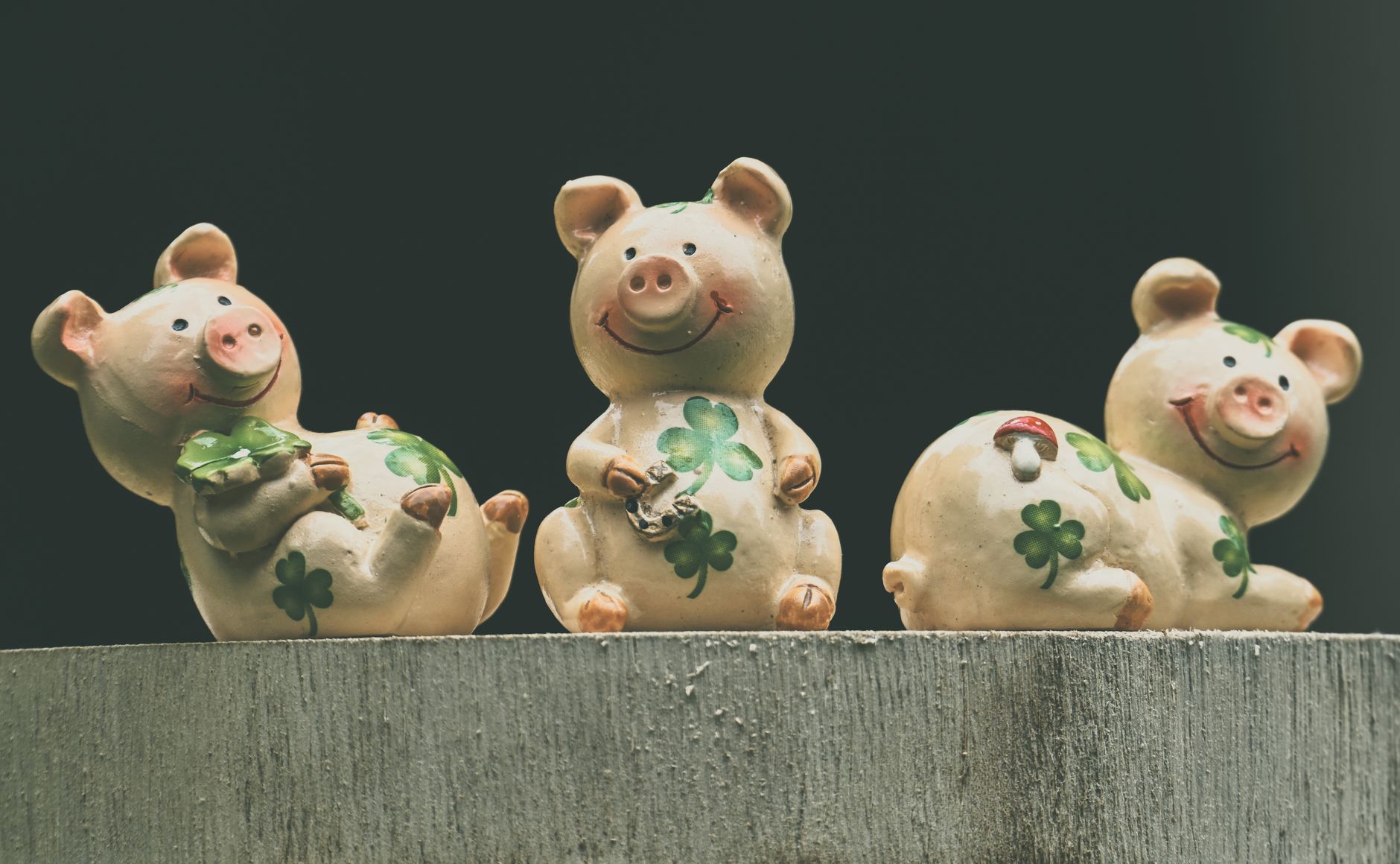
A marzipan pig is a delightful confection often enjoyed during celebrations, particularly in parts of Europe. This whimsical treat, crafted from sweet almond paste, embodies both culinary tradition and festive cheer. Known for its charming appearance and rich flavor, a marzipan pig serves as both a decorative item and a delicious treat.
This article will delve into the ingredients that make up marzipan pigs, their taste and texture, and how they can be creatively used in various culinary applications. Whether you’re looking to create these sweet figures at home or simply wish to understand their place in culinary culture, this comprehensive guide is for you.
What Is a Marzipan Pig?
A marzipan pig is a figurative candy made primarily from marzipan, a sweet paste made from ground almonds and sugar. This confection is typically shaped to resemble a pig, symbolizing prosperity and good fortune in many cultures, especially in Germany and other parts of Europe. Marzipan pigs are popular during festivals, holidays, and, particularly, at New Year celebrations where they are given as gifts for good luck.
Ingredients of Marzipan Pig
The fundamental components of marzipan are straightforward, but variations exist depending on the desired flavor and texture. Below is a breakdown of the main ingredients used to make marzipan pigs:
- Almonds: The main ingredient, typically blanched almonds ground into a fine paste.
- Sugar: Granulated sugar is mixed with the almond paste to create sweetness.
- Water or Corn Syrup: These are added to achieve the desired consistency.
- Food Coloring: Gel or liquid food colors are often used to give the marzipan pigs their vibrant hues.
- Flavorings: Extracts, such as almond or vanilla, may be added for enhanced flavor.
Taste and Texture of Marzipan Pig
Marzipan has a distinctive sweet and nutty flavor, primarily attributed to the almonds. When you bite into a marzipan pig, you’ll experience a soft, slightly chewy texture that contrasts with the crisp exterior that forms when the marzipan sets. Depending on how it is made, marzipan can also have a creamy mouthfeel, especially if a higher ratio of almond paste is used.
Culinary Uses of Marzipan Pig
Marzipan pigs have diverse culinary applications, serving various roles. Here are some notable ways they can be enjoyed or utilized:
Decorative Uses
Marzipan pigs are often used as decorative elements in cakes and desserts. Their cheerful appearance makes them ideal for birthday cakes, holiday treats, and special events. Many bakers enjoy sculpting marzipan into playful shapes to add an artistic touch to confections.
As Gifts and Favors
In many cultures, marzipan pigs are considered lucky charms and are often given as gifts during celebrations. They are popular as wedding favors, party treats, or tokens for New Year celebrations, symbolizing good fortune for the year ahead.
Flavor Pairings
Marzipan can complement many flavors. Some excellent pairings include:
- Chocolate: Combining marzipan with dark or milk chocolate creates a delightful contrast of flavors.
- Fruit: Citrus fruits, like lemon or orange, enhance the sweetness, providing a fresh taste
- Cream: Marzipan works well in creamy desserts, adding richness and depth.
In Baking
Marzipan can be incorporated into various baked goods. Common uses include:
- Cakes: It can be layered between cake sponges or used to cover cakes, adding a charming aesthetic.
- Cookies: Incorporating marzipan into cookie dough lends a rich flavor and fantastic texture.
- Pastries: It is often used as a filling in pastries such as Danish, croissants, or strudels.
Making Marzipan Pigs at Home
If you’re interested in creating your marzipan pigs, here’s a straightforward method to make marzipan and shape it into charming pig figures.
Ingredients Needed
- 2 cups blanched almonds
- 2 cups powdered sugar
- 1/4 cup corn syrup or water
- 1/2 teaspoon almond extract
- Gel food coloring (pink, brown, or any preferred colors)
Equipment Required
- Food processor
- Mixing bowl
- Rolling pin
- Silicone baking mat or parchment paper
- Piping bags or toothpicks (for detailing)
Method
- Begin by grinding the blanched almonds in a food processor until they form a fine flour consistency.
- Once ground, add the powdered sugar and almond extract, blending until well mixed.
- Gradually add corn syrup or water, mixing until the paste is smooth and holds together.
- Divide the marzipan into portions to add different colors. Use gel food coloring to dye portions of the paste into desired shades, kneading until fully incorporated.
- Take a portion of the marzipan and roll it into a ball for the body of the pig. Shape it into an oval to represent the pig’s torso.
- For the head, roll a smaller ball and attach it to the larger body piece. Use a little water to help it stick if necessary.
- Form smaller pieces for the legs and tail, attaching them carefully to the body.
- Use piping bags or tools to create facial features, like eyes and nostrils, or even use small fruit pieces for decoration.
Common Mistakes When Making Marzipan Pigs
When making marzipan pigs, there are a few common pitfalls to avoid:
- Under-Processing the Almonds: Ensure almonds are finely ground to avoid a gritty texture.
- Too Much Moisture: Adding too much liquid can make the marzipan sticky and hard to work with.
- Insufficient Kneading: Failing to knead the marzipan thoroughly may result in uneven flavor and texture.
Storing Marzipan Pigs
Storing marzipan properly ensures it maintains freshness and flavor:
- Place marzipan pigs in an airtight container to prevent them from drying out.
- Store in a cool, dry place away from direct sunlight.
- Properly stored, marzipan can last for several weeks, but it is best consumed within two weeks for optimal flavor.
Culinary Traditions and Cultural Significance
Marzipan pigs often hold cultural significance, especially in regions like Germany, where they are associated with good luck and celebration. Traditionally, during New Year celebrations, marzipan pigs are gifted to symbolize prosperity and happiness for the coming year. In many families, receiving a marzipan pig is considered a gesture of goodwill and affection.
Regional Variations
While the most common form of marzipan pigs is rooted in German culture, variations exist in other regions:
- Spain: In Spain, marzipan is typically made with a higher almond content and often flavored with cinnamon and lemon zest.
- Italy: Italian marzipan, known as “pasta di mandorle,” can have various shapes and is often colored vibrantly, resembling fruits or flowers.
- Sweden: In Sweden, marzipan is a common ingredient in desserts such as princess cakes, where it is flavored with vanilla.
Conclusion
Marzipan pigs are not just charming decorations; they represent rich culinary traditions and offer endless possibilities for creativity in the kitchen. Whether you choose to create them at home or savor them as festive sweets, understanding their ingredients, uses, and cultural significance can enhance your appreciation for this delightful treat. Next time you encounter a marzipan pig, remember the intricacies involved in making this iconic confection and its joyful place in celebration.
Explore more culinary traditions, food guides, and creative recipes to enhance your cooking journey.