
When it comes to baking, precision in measurement can make all the difference. One common ingredient that often leads to confusion is powdered sugar. Many bakers wonder how many cups are in a pound of powdered sugar, especially when following recipes that require specific measurements. Understanding this measurement can simplify your baking process.
In this article, we’ll delve into the specifics of powdered sugar, provide conversions, and offer tips on using this versatile ingredient in your baking endeavors.
How Many Cups Are in a Pound of Powdered Sugar?
A pound of powdered sugar typically yields about 3 ½ to 4 cups, depending on how tightly the sugar is packed. This variance primarily stems from how you measure the sugar—whether it’s sifted or packed into the cup. For precise baking results, it’s best to weigh your ingredients whenever possible.
Understanding Powdered Sugar
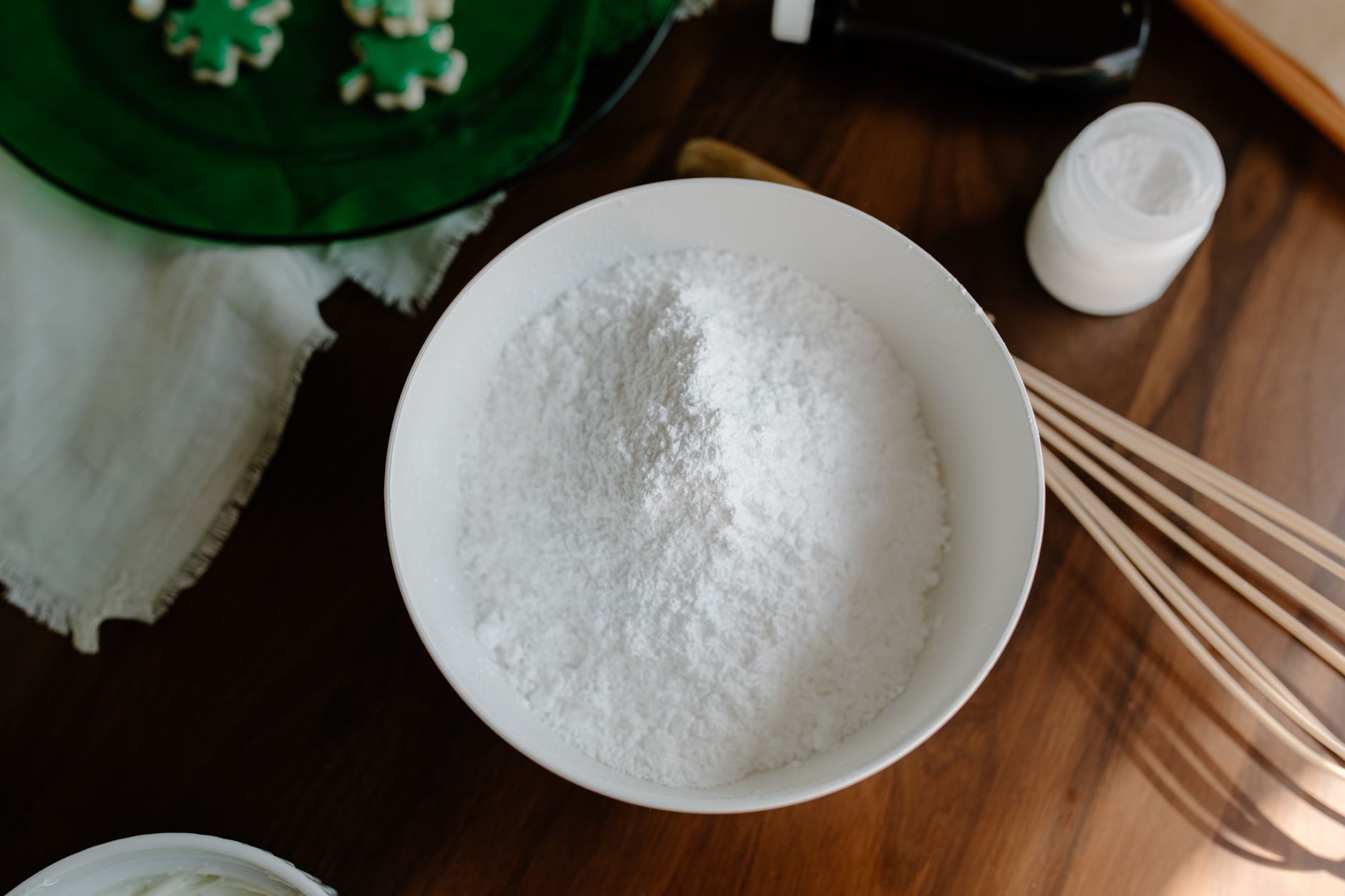
Powdered sugar, also known as confectioners’ sugar or icing sugar, is a finely ground sugar that often includes a small amount of cornstarch to prevent caking. Its ultra-fine texture makes it ideal for making frostings, glazes, and dusting over baked goods.
Here are some key attributes of powdered sugar:
- Texture: Extremely fine and powdery, which allows it to dissolve easily into wet mixtures.
- Flavor: Sweet like granulated sugar but can have a slight cornstarch taste if used in excess.
- Culinary Uses: Ideal for frostings, whipped toppings, desserts, and sweetening beverages.
Measuring Powdered Sugar Accurately
Accurate measurement is critical in baking to achieve desired results. Here are some methods to measure powdered sugar correctly:
1. By Weight
If you have a kitchen scale, weigh out your powdered sugar. One pound of powdered sugar is equal to 16 ounces. This method guarantees accuracy.
2. By Volume
When measuring by volume, use the spoon-and-sweep method:
- Take a dry measuring cup and spoon the powdered sugar into it.
- Do not pack it down; let it remain fluffy.
- Once full, use a straight edge (like a knife) to level off the top without packing it down further.
Conversions and Substitutions
Understanding how to convert between weight and volume is essential for accurate baking. The following table summarizes common conversions:
| Ingredient | 1 Pound (lbs) | Equivalent Cups |
|---|---|---|
| Powdered Sugar | 16 ounces | 3 ½ to 4 cups |
Using Powdered Sugar as a Substitute
If you find yourself short on powdered sugar for a recipe, you can create your own using granulated sugar. Here’s how:
- Blend granulated sugar in a blender or food processor until it reaches a fine, powdery consistency.
- For every cup of granulated sugar, add one tablespoon of cornstarch to prevent caking.
- Use as you would regular powdered sugar.
Common Uses for Powdered Sugar
Powdered sugar is often featured in a variety of baking and dessert applications. Here’s how to incorporate it effectively:
1. Frostings and Icing
Powdered sugar is the base for many frostings and icings. It dissolves easily, creating a smooth texture ideal for spreading on cakes or cookies. Common recipes include:
2. Dusting Desserts
You might have seen powdered sugar used on top of desserts such as cakes or pastries. This simple technique adds a touch of elegance and sweetness without overpowering the dish.
3. Sweetening Whipped Cream
When making whipped cream, using powdered sugar instead of granulated sugar helps to sweeten while maintaining the light and airy texture.
Tips for Using Powdered Sugar
To make the most out of powdered sugar in your baking, consider these tips:
- Store Properly: Keep powdered sugar in an airtight container in a cool, dry place to prevent clumping.
- Sift If Necessary: Sifting can help break up clumps, especially if the sugar has been stored for a while.
- Mix Gradually: When adding powdered sugar to a mix, do it gradually to avoid creating a cloud of sugar.
Common Mistakes When Using Powdered Sugar
Here are some common pitfalls to avoid:
- Packing the Sugar: Unlike brown sugar, powdered sugar should not be packed into measuring cups.
- Overmixing Frostings: Mix frosting ingredients until just combined to avoid losing texture.
- Ignoring Temperature: Room temperature ingredients generally yield better results, especially in frostings.
Frequently Asked Questions
Can I replace granulated sugar with powdered sugar in recipes?
While it’s possible, it’s not recommended to directly swap granulated sugar with powdered sugar in recipes that don’t require it. The texture and density will differ, affecting the final result.
How do I know if my powdered sugar has gone bad?
Powdered sugar has a long shelf life, but if it develops an unusual smell or forms clumps even after sifting, it’s time to replace it.
How do I store leftover frosting made with powdered sugar?
Store leftover frosting in an airtight container in the refrigerator for up to a week. Before using, allow it to come to room temperature and rewhip if necessary.
Conclusion
Understanding the measurement of powdered sugar, including how many cups are in a pound, can significantly enhance your baking experience. Whether you’re making frostings, glazes, or simply dusting your favorite desserts, precision is key.
For your next baking project, download a kitchen scale for exact measurements or give homemade powdered sugar a try when you run low. Explore related recipes, cooking tips, or food guides such as Powdered Sugar Icing Recipe and Sugar Cookie Frosting Recipe to expand your baking repertoire.