
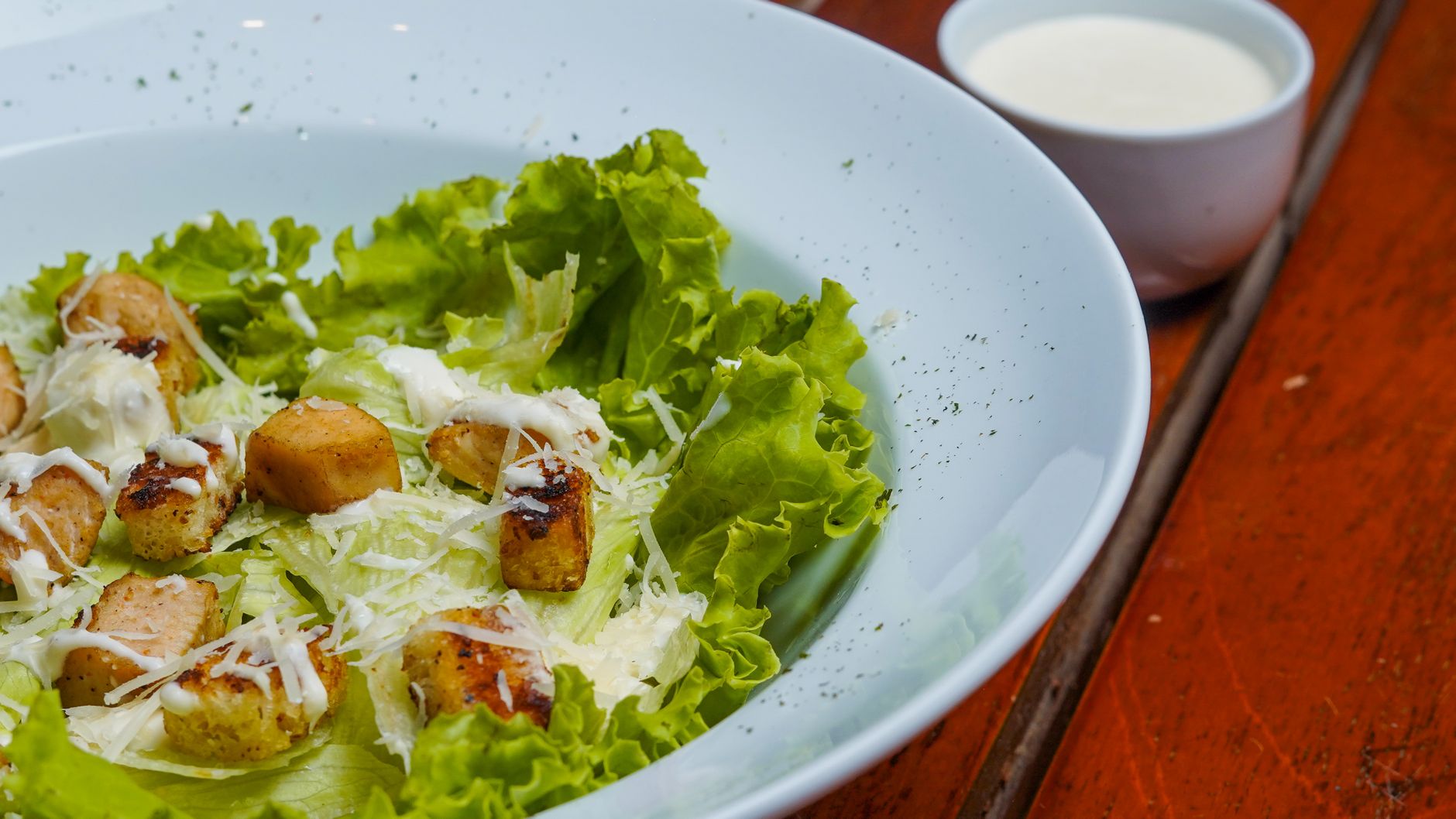
Caesar salad is a classic dish loved for its crisp texture and rich, savory flavors. Its creamy dressing, combined with crunchy romaine lettuce, garlicky croutons, and a sprinkle of Parmesan cheese, makes it a delightful accompaniment to any meal or a satisfying main dish on its own. Learning how to make a Caesar salad at home allows you to enjoy its freshness while also customizing it to your taste.
This article will guide you through making a traditional Caesar salad, including essential ingredients, preparation methods, and helpful tips to elevate your dish. Additionally, you’ll discover variations and potential substitutions, ensuring your Caesar salad is as delicious as possible.
How Do You Make a Caesar Salad?
To make a classic Caesar salad, you need a handful of ingredients and some basic preparation steps. The key components include crisp romaine lettuce, flavorful dressing, crunchy croutons, and Parmesan cheese. If you follow the steps below, you’ll be serving a fresh and tasty Caesar salad in no time.
Ingredients for Caesar Salad
- 1 large head of romaine lettuce
- 1 cup of homemade or store-bought Caesar dressing
- 1 cup of croutons (homemade or store-bought)
- 1/2 cup grated Parmesan cheese
- Freshly ground black pepper (to taste)
- Lemon wedges (for serving, optional)
Ingredient Breakdown
Here’s a closer look at the key ingredients in a Caesar salad:
Romaine Lettuce
Romaine lettuce is preferred for its crispiness and slightly bitter flavor, which contrasts nicely with the creamy dressing. When choosing romaine, look for vibrant green leaves without any brown or wilted spots.
Caesar Dressing
Traditional Caesar dressing typically contains ingredients like garlic, anchovies, Dijon mustard, egg yolks, lemon juice, olive oil, Worcestershire sauce, and Parmesan cheese. You can use a store-bought version for convenience, but making it from scratch gives the best flavor. (For a homemade version, consider this Caesar dressing recipe.)
Croutons
Homemade croutons can enhance the salad’s flavor and texture. Made by toasting cubes of bread with olive oil and seasoning, they add crunch to your Caesar salad. Alternatively, you can buy pre-made croutons if you’re short on time.
Parmesan Cheese
Freshly grated or shaved Parmesan cheese adds a salty, nutty dimension to the salad. Always opt for high-quality cheese for the best taste.
Essential Equipment
Before getting started, gather the following equipment:
- Large salad bowl
- Sharp knife
- Cutting board
- Whisk (if making dressing from scratch)
- Measuring cups and spoons
Step-by-Step Method to Make a Caesar Salad
- Prepare the Lettuce: Rinse the romaine lettuce under cold water to remove any dirt or debris. Dry thoroughly using a salad spinner or by patting it dry with a clean kitchen towel. Tear or chop the lettuce leaves into bite-sized pieces and place them in a large salad bowl.
- Make the Dressing (if applicable): If you are making the dressing from scratch, combine minced garlic, anchovy paste, Dijon mustard, and lemon juice in a bowl. Whisk together. Gradually add olive oil in a thin stream while whisking continuously until the dressing has emulsified. Stir in Parmesan cheese and season with salt and pepper to taste.
- Add the Dressing: Drizzle about half of the dressing over the lettuce. Use tongs or a large spoon to gently toss the lettuce until it is evenly coated. Add more dressing as desired, but be cautious – it’s easier to add more than to remove excess dressing.
- Add Croutons and Cheese: Sprinkle the croutons and grated Parmesan cheese on top of the dressed lettuce. Give it one last gentle toss to distribute.
- Season and Serve: Finish with a pinch of freshly ground black pepper and serve immediately with lemon wedges on the side, if desired. Enjoy your homemade Caesar salad!
Substitutions and Variations
Caesar salads can be easily customized based on dietary needs or personal preferences. Here are some popular substitutions and variations:
Substitutions
- Lettuce: If you don’t have romaine, use other salad greens like kale or arugula for a different texture and flavor.
- Dressing: For a lighter version, swap the Caesar dressing with a vinaigrette or yogurt-based dressing. You can also try a homemade avocado dressing.
- Croutons: Use toasted nuts or seeds if you’re looking for a gluten-free option. Roasted chickpeas also work well for added crunch.
- Parmesan Cheese: Pecorino Romano or any aged hard cheese can introduce a different flavor. Vegan cheese can also be used for a dairy-free option.
Variations
- Grilled Chicken Caesar Salad: Top your salad with sliced grilled chicken breast for added protein.
- Shrimp Caesar Salad: Incorporate sautéed or grilled shrimp for a seafood twist.
- Vegetarian Caesar Salad: Omit anchovies and use a vegan dressing. Tofu can be used in place of protein.
Common Mistakes and Troubleshooting
A few common pitfalls to look out for when making a Caesar salad include:
- Overdressing the salad can lead to soggy greens. Always start with less dressing and add more as needed.
- Not drying the lettuce properly can prevent the dressing from adhering well and can make the salad watery.
- Using subpar ingredients, especially the dressing and cheese, will significantly affect the final taste. Invest in quality ingredients.
Serving Suggestions
Caesar salad can be enjoyed on its own or paired with various dishes:
- Serve it alongside grilled meats or fish for a well-rounded meal.
- Accompany it with pasta dishes for a hearty Italian-themed dinner.
- Use it as a bed for toppings like fried eggs for an upgraded brunch option.
Make-Ahead Guidance
If you’re looking to prepare your Caesar salad in advance, consider these tips:
- Wash and tear the lettuce leaves up to a day ahead. Keep them in an airtight container in the refrigerator to maintain freshness.
- Prep the dressing and store it in a sealed jar in the fridge. Shake well before use.
- Croutons can be made ahead of time and stored in an airtight container for several days.
Storage and Reheating
Due to the nature of the ingredients, Caesar salad is best enjoyed fresh. However, if you have leftovers, here’s how to store them:
- Refrigerate the salad in an airtight container. Note that the croutons may become soggy over time, so it’s best to store them separately if possible.
- The salad should ideally be eaten within 1-2 days. If the greens start to wilt or become limp, it’s best to discard them.
In summary, a Caesar salad is a versatile dish that can easily serve as a tasty side or a wholesome entrée. By following the steps outlined in this article, you can craft a delicious Caesar salad customized to your taste preferences. Whether you opt for traditional ingredients or venture into exciting substitutions and variations, you’ll prepare a fresh, flavorful salad that satisfies your cravings.
Ready to try another recipe or learn more cooking tips? Check out our homemade Caesar dressing recipe or find inspiration with a delicious Catalina dressing recipe for a different twist on salads!