
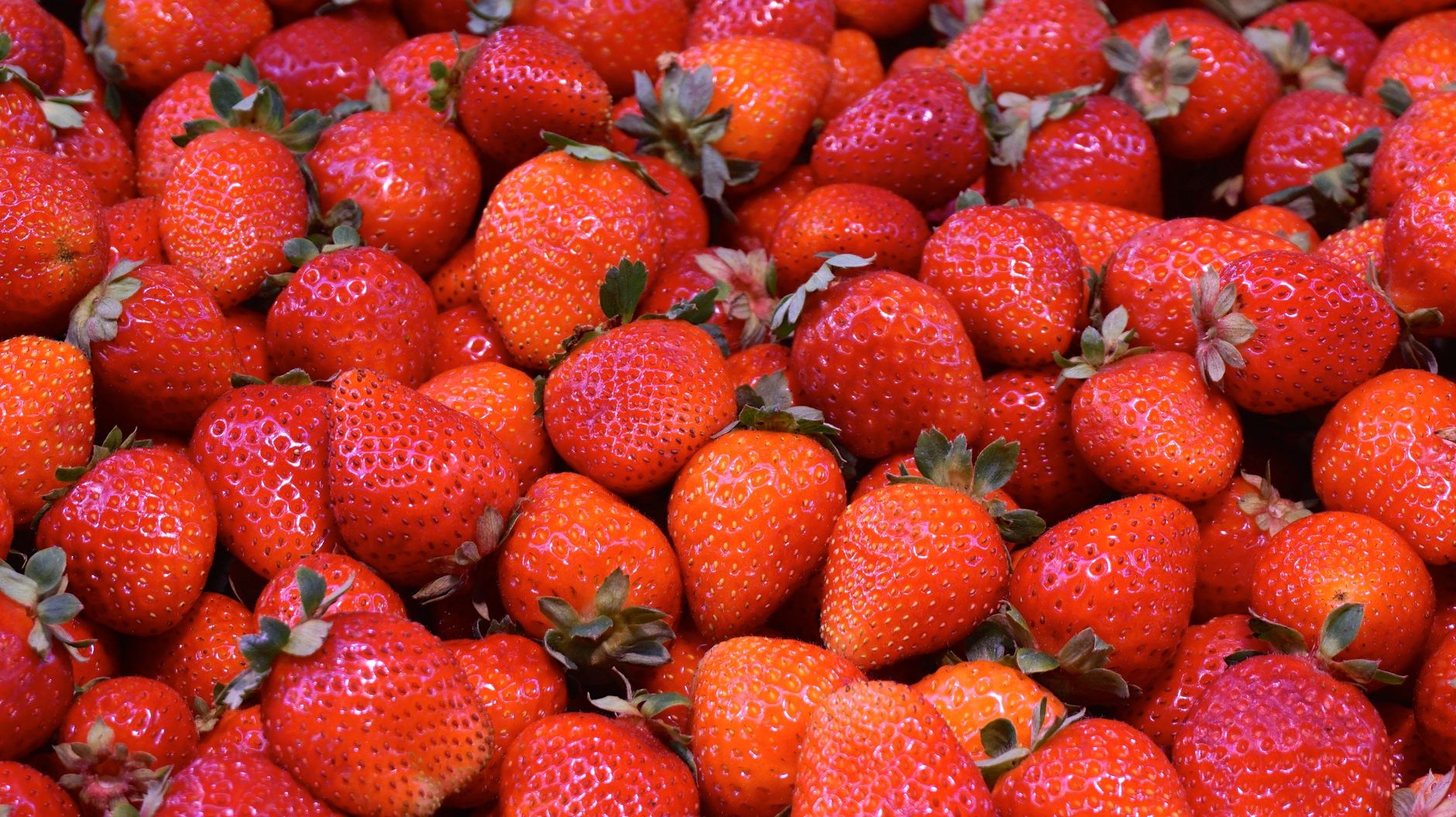
Introducing new foods to babies can be both exciting and daunting. One common question that arises among parents is whether babies can have strawberries. Strawberries are a popular fruit, renowned for their sweet flavor and vibrant color. This article will explore the appropriate age to introduce strawberries to babies, potential allergenic reactions, and safe serving suggestions.
By understanding the best practices for incorporating strawberries into your baby’s diet, you can enhance their fruit palate while being mindful of health considerations. Let’s dive into the details surrounding strawberries and their suitability for little ones.
Can Babies Have Strawberries?
Yes, babies can have strawberries, but it’s essential to introduce them at the right time and with proper preparation. Typically, strawberries can be introduced to babies around 6 to 12 months of age when they start eating solid foods.
When to Introduce Strawberries to Your Baby
Most pediatricians recommend starting solid foods around the 6-month mark. This is generally when infants begin showing signs of readiness for more than just milk or formula. However, every baby is unique, and some may not be ready until they are closer to a year old.
When considering introducing strawberries, pay attention to your baby’s developmental milestones, such as:
- Being able to sit up independently
- Showing interest in food
- Mouthing objects and using their hands to explore
Once your baby is eating solids and you’ve introduced a variety of other fruits and vegetables, strawberries can be a great addition. If your family has a history of allergies, consult your pediatrician before introducing strawberries or any new foods.
Allergies and Reactions
Strawberries are considered to be a potential allergen. Some babies may experience oral allergy syndrome, which could cause mild symptoms like itchiness or tingling in the mouth after consuming strawberries. In rare cases, they might have more severe reactions.
When introducing strawberries for the first time, observe your baby closely for any adverse reactions. Signs to look for include:
- Hives or rash
- Swelling of the face, lips, or tongue
- Vomiting or diarrhea
- Difficulty breathing
If you notice any of these symptoms, contact your healthcare provider immediately. It’s a good practice to introduce new foods one at a time and wait a few days to monitor for any adverse reactions.
How to Prepare Strawberries for Babies
Proper preparation of strawberries is crucial to ensure they are safe and easy for babies to consume. Here are some important steps to consider:
Washing
Always wash strawberries thoroughly under running water to remove pesticides and contaminants. You might use a soft brush to scrub the surface gently.
Removing the Hull and Slicing
To prepare strawberries for babies, remove the green tops (hull) and slice them. Depending on your baby’s age and chewing ability, you can serve strawberries in different forms:
- For babies 6-9 months: Mash or puree strawberries to prevent choking hazards.
- For babies 9-12 months: Serve small, soft pieces that they can practice chewing.
- For toddlers: Whole strawberries can be offered if cut in half or quarters to reduce choking risk.
Serving Suggestions
Strawberries have a delightful and sweet flavor, making them appealing to babies. Here are some creative ways to incorporate strawberries into your baby’s meals and snacks:
- Mix mashed strawberries with oatmeal or yogurt.
- Serve them with pancakes or waffles for breakfast.
- Add them to smoothies for a tasty drink, blending them with yogurt or milk.
- Incorporate them into fruit salads, cutting them into baby-friendly sizes.
- Freeze sliced strawberries for a cool treat on warm days.
Nutritional Benefits of Strawberries
Strawberries are not only delicious but also packed with essential nutrients. Here are some of the nutritional benefits they offer:
- Vitamins: Strawberries are rich in Vitamin C, which supports a healthy immune system and aids in iron absorption.
- Antioxidants: They contain antioxidants like anthocyanins, which contribute to overall health.
- Fiber: Strawberries are a good source of dietary fiber, which can support healthy digestion.
Incorporating fruits like strawberries can help establish healthy eating habits early in life, providing your baby with essential vitamins and minerals.
Common Mistakes When Introducing Strawberries
Introducing strawberries to your baby should be done with care. Here are some common mistakes to avoid:
- Not washing thoroughly: Always wash strawberries to minimize pesticide exposure and contaminants.
- Offering whole strawberries too soon: Ensure strawberries are age-appropriate in size and texture to prevent choking.
- Ignoring allergy history: Be mindful of family allergies when introducing any foods.
- Mixing too many new foods at once: Introduce one new food at a time and wait a few days to monitor for reactions.
Delicious Strawberry Recipes for Your Baby
Ready to get creative with strawberries? Here are two simple and nutritious recipes you can make for your baby:
Strawberry Banana Puree
This easy puree is packed with flavor and nutrients. It’s a perfect introduction for babies new to solids.
- Ingredients:
- 1 ripe banana
- 1/2 cup strawberries, hull removed and sliced
Instructions:
- In a blender or food processor, add the banana and strawberries.
- Blend until smooth, adding a little water if needed to achieve the right consistency.
- Serve immediately or store in the fridge for up to 24 hours in an airtight container.
Strawberry Compote
This versatile strawberry compote can be used as a topping for yogurt, pancakes, or baby cereals, and is incredibly easy to make.
- Ingredients:
- 2 cups strawberries, hulled and quartered
- 1 tablespoon water
- Optional: a dash of cinnamon or vanilla extract for flavor
Instructions:
- In a saucepan over medium heat, combine the strawberries and water.
- Cook for about 5-7 minutes, stirring occasionally until the strawberries break down and the mixture thickens.
- Add cinnamon or vanilla if desired and let cool for a few minutes before serving.
- Store any leftover compote in the refrigerator for up to a week.
Storing Strawberries Safely
When purchasing strawberries, look for bright-colored berries without mold or bruising. If stored correctly, strawberries can last for several days in the refrigerator. Here are some tips:
- Do not wash strawberries before storing, as excess moisture can cause them to rot more quickly.
- Keep strawberries in their original packaging or in a breathable container (like a colander) in the refrigerator.
- Use strawberries within a few days for the best flavor and texture. If they start to look mushy or moldy, discard them.
Conclusion
Strawberries can be a delightful addition to your baby’s diet when introduced at the right age and properly prepared. Monitor for any allergic reactions, and get creative with serving ideas to make the most of this tasty fruit.
If you’re eager to incorporate strawberries into your baby’s meals, consider trying out the Strawberry Delight recipe for a sweet treat or the Strawberry Compote recipe for a versatile topping. Both are simple and perfect for little ones!
For more inspiration, check out these delicious recipes: Strawberry Delight Recipe and Strawberry Compote Recipe.