
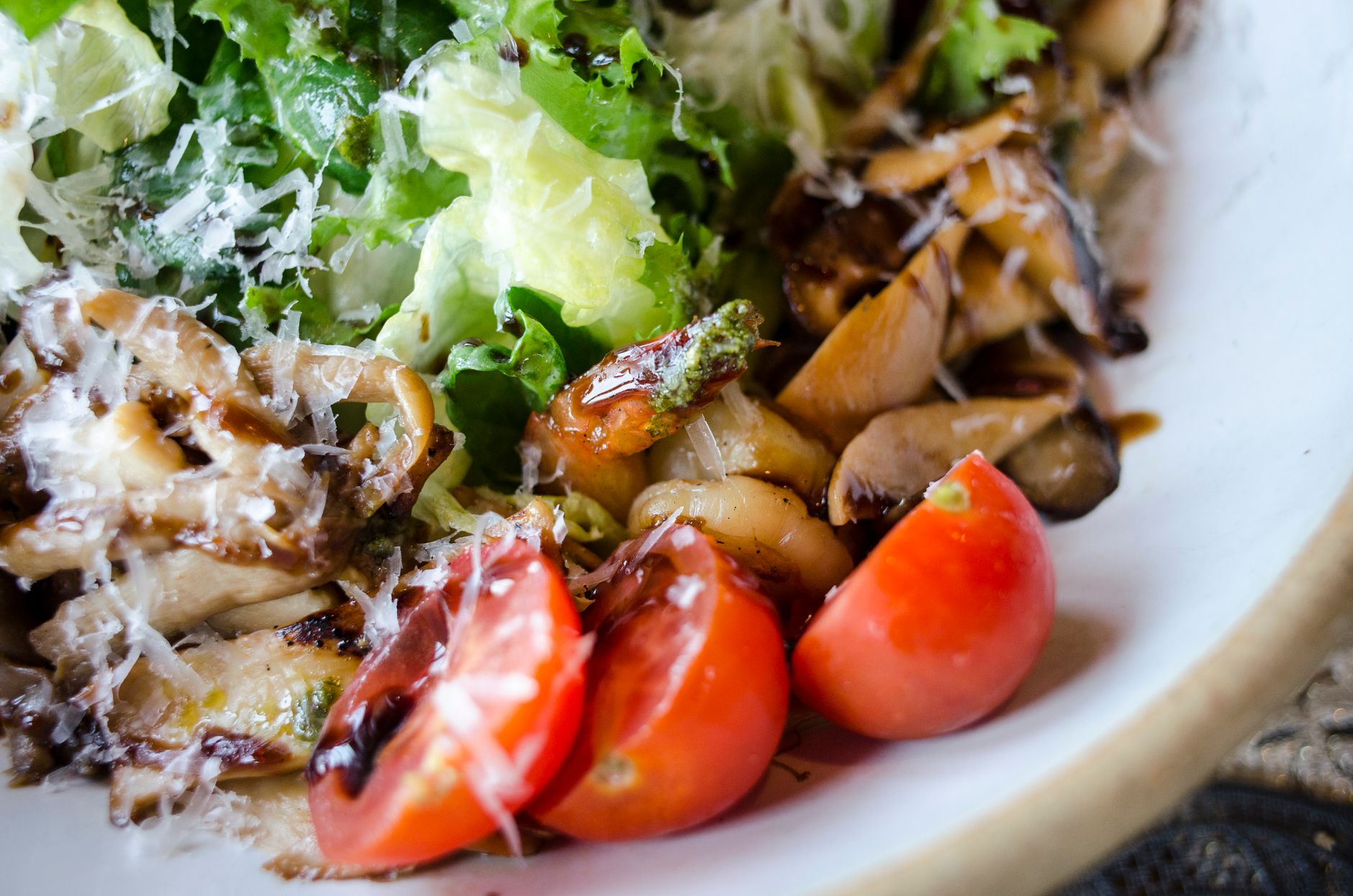
Balsamic vinaigrette is a popular dressing that evokes curiosity and excitement in many home cooks and salad enthusiasts alike. Its unique flavor profile blends sweet, tangy, and savory notes, making it a versatile addition to countless dishes.
Understanding what balsamic vinaigrette tastes like can help you appreciate its culinary applications and pairings. Whether drizzled over fresh greens, used as a marinade, or even added to roasted vegetables, balsamic vinaigrette can elevate your culinary creations in unexpected ways.
What Does Balsamic Vinaigrette Taste Like?
Balsamic vinaigrette typically has a rich, sweet tanginess with subtle acidity and a complex depth of flavor. The aged balsamic vinegar contributes a sweet, syrupy quality, while the oil offers a smooth texture. This balance makes it perfect for both simple and elaborate dishes.
Components of Balsamic Vinaigrette
To fully understand the taste of balsamic vinaigrette, it’s crucial to explore its primary ingredients and their characteristics.
Balsamic Vinegar
The star ingredient of balsamic vinaigrette, balsamic vinegar, originates from Modena, Italy. Its sweetness comes from the natural sugars in the grapes used to make it. It has a thicker consistency than standard vinegar and boasts complex flavors developed during the aging process.
Oil
Usually, extra virgin olive oil is the preferred choice for balsamic vinaigrette. This oil adds a fruity flavor and smooth mouthfeel. Depending on individual preference, a variety of oils can also be used, which can affect the overall taste.
Mustard
Some recipes include mustard, which adds a slight earthiness and acts as an emulsifier to help blend the oil and vinegar. Dijon mustard is a common choice, lending a mild spiciness that complements the tanginess of the vinegar.
Sweeteners
To round out the sharpness of the vinegar, sweeteners may be included. Honey, maple syrup, or sugar can enhance the sweetness and help balance the dressing.
Herbs and Spices
Additional flavor boosters like garlic, shallots, or various herbs (such as basil, oregano, or thyme) can be added to personalize the vinaigrette. These ingredients can introduce additional layers of complexity to the flavor profile.
Texture of Balsamic Vinaigrette
The texture of balsamic vinaigrette is silky and smooth, courtesy of the oil. The viscosity can vary depending on the ratio of vinegar to oil; a higher oil content makes it richer, while a higher vinegar content can yield a thinner, more acidic dressing.
Common Pairings with Balsamic Vinaigrette
Balsamic vinaigrette can be paired with a range of foods, enhancing their flavors. Here are some common pairings:
- Salads: Drizzle over mixed greens, spinach, or arugula for a bright, tangy flavor.
- Roasted Vegetables: Use as a finishing touch on roasted or grilled seasonal vegetables.
- Meats: Marinate chicken, pork, or beef to add a layer of flavor before cooking.
- Cheeses: Serve alongside or drizzle over rich cheeses like burrata or goat cheese.
- Fruits: Fresh fruits such as strawberries, peaches, or figs amplify the sweetness of the dressing.
How to Make Balsamic Vinaigrette
Making balsamic vinaigrette at home is both simple and rewarding. Here’s a straightforward recipe you can follow:
Recipe Overview
This balsamic vinaigrette recipe yields approximately 1 cup of dressing, enough for about 8 servings. The overall preparation time is about 5 minutes.
Ingredients
- 1/2 cup balsamic vinegar
- 1 cup extra virgin olive oil
- 1 tablespoon Dijon mustard
- 1 tablespoon honey (or maple syrup)
- 1 garlic clove, minced (optional)
- Salt and pepper to taste
Essential Equipment
- Measuring cups and spoons
- Whisk or fork
- Bowl or jar with a lid for shaking
Method
- In a bowl or jar, combine balsamic vinegar, Dijon mustard, honey, and minced garlic (if using).
- Slowly whisk in the olive oil until fully emulsified, or seal the jar and shake vigorously.
- Add salt and pepper to taste, adjusting sweetness as necessary.
- Taste and adjust seasoning or oil/vinegar ratio as desired.
- Store in the refrigerator for up to a week; shake well before each use.
Variations and Substitutions
While the basic recipe is delicious, variations can amplify different flavor notes:
Substitutions
- Vinegar: Instead of balsamic, try red wine vinegar or apple cider vinegar for a different acidity and flavor.
- Oils: Avocado oil or walnut oil can add unique flavor profiles that complement certain dishes.
- Sweetener: Substitute agave nectar or coconut sugar for a different sweetening agent.
- Herbs: Incorporate fresh herbs like chives or parsley for an herbaceous touch.
Common Mistakes and Troubleshooting
Creating a great balsamic vinaigrette can come with its pitfalls. Here are some common mistakes:
- Incorrect Ratios: Finding the right balance between oil and vinegar is crucial. If it’s too acidic, add more oil or a sweetener.
- Not Emulsifying: If your dressing separates, ensure thorough whisking or shaking. Use Dijon mustard for better emulsification.
- Salt Imbalance: Always taste your vinaigrette before serving to adjust seasoning as needed.
Serving Suggestions
There are many delightful ways to enjoy balsamic vinaigrette:
- As a salad dressing over a classic Caesar or Greek salad.
- Drizzled over grilled meats or seafood for a zesty finish.
- As a marinade for vegetables before roasting.
- In a grain bowl mixed with quinoa or farro for added flavor.
Make-Ahead Guidance and Storage
One of the best aspects of balsamic vinaigrette is its make-ahead properties. You can prepare it in advance, allowing the flavors to meld over time. Here’s how to store it:
- Store in an airtight jar or container in the refrigerator.
- Shake well before each use as the ingredients may separate.
- It’s best consumed within one week for optimal flavor.
Alternative Uses for Balsamic Vinaigrette
Balsamic vinaigrette’s versatility allows it to shine outside of salads:
- As a dipping sauce for bread or vegetable platters.
- Drizzled over cooked grains for added flavor.
- Tossed with pasta for a refreshing cold dish.
Balsamic Vinaigrette in the Culinary World
Balsamic vinaigrette is not only a favorite among home cooks but also a staple in many restaurants. Its application in modern cuisine is vast, where chefs love to innovate with this dressing.
Many prepare deconstructed salads, layering flavors and textures, using balsamic vinaigrette as a key component. Its ranging flavor profile makes it a suitable choice for a variety of cuisines, whether Mediterranean, American, or even Asian-inspired dishes.
Restaurants often serve balsamic vinaigrette not only as a salad dressing but also as a glaze for meats or seafood, enhancing the dish’s flavor complexity. This adaptability contributes to its popularity in both home kitchens and high-end dining establishments.
Health Considerations
Balsamic vinaigrette remains a healthier choice compared to creamy dressings. It provides the benefits of healthy fats from olive oil and has fewer calories per serving. Here are some considerations:
- Opt for homemade over store-bought to control sugar and salt content.
- Choose high-quality, aged balsamic vinegar for added health benefits, as it may contain antioxidants.
- Enjoying it in moderation can add flavor and enhance the enjoyment of healthy salads and vegetables without excessive calories.
Conclusion
Balsamic vinaigrette combines sweetness, tanginess, and a smooth texture, making it a versatile dressing that enhances various dishes. Whether you use it in salads, as a marinade, or as part of a sauce, it delivers excellent flavor. Creating this dressing at home is simple and allows you to tailor it to your taste. Consider trying different variations or pairings to discover new favorite combinations. Don’t forget to explore further the delicious chipotle vinaigrette or catalina dressing for more dynamic flavors!