
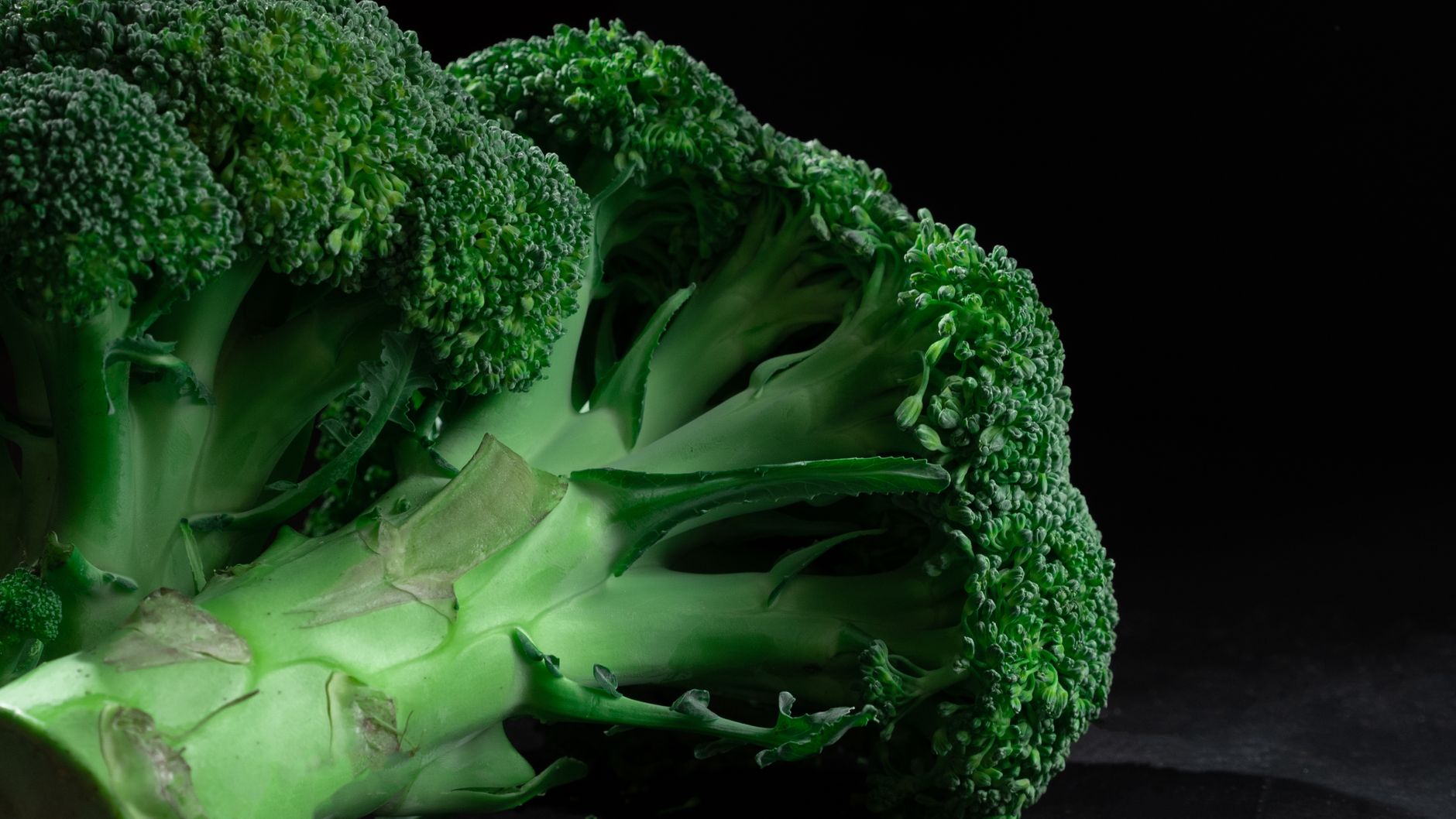
Fiber is an essential component of a healthy diet, yet many people struggle to meet their daily fiber intake. Vegetables are among the best sources of dietary fiber, offering a range of options to help you incorporate more into your meals. This guide will explore high-fiber vegetables, their serving sizes, and how to use them creatively in your cooking.
Understanding which vegetables are high in fiber can not only enhance your diet but also improve your digestive health. In this article, we will provide a detailed breakdown of fiber-rich vegetables, including their fiber content per serving, potential health benefits, and practical cooking tips for incorporating them into your meals.
What Vegetable Is High in Fiber?
Many vegetables are high in fiber, but some standout options include beans, legumes, and leafy greens. On average, high-fiber vegetables provide around 2 to 6 grams of fiber per serving, making them nutritious additions to any meal. Below, we outline various vegetables with their fiber content, preparation tips, and ways to include them in your everyday cooking.
High-Fiber Vegetables and Their Fiber Content
Here’s a closer look at some of the highest-fiber vegetables, including how much fiber they contain per standard serving size:
| Vegetable | Serving Size | Fiber Content (grams) |
|---|---|---|
| Split Peas | 1 cup (cooked) | 16.3 |
| Lentils | 1 cup (cooked) | 15.6 |
| Artichokes | 1 medium artichoke | 10.3 |
| Broccoli | 1 cup (cooked) | 5.1 |
| Brussels Sprouts | 1 cup (cooked) | 4.1 |
| Sweet Potatoes | 1 medium (baked) | 4.0 |
| Carrots | 1 medium raw | 1.7 |
| Spinach | 1 cup (cooked) | 4.3 |
1. Split Peas
Split peas are one of the highest sources of fiber among vegetables, with approximately 16.3 grams per cooked cup. They are rich in protein and can be incorporated into soups, stews, and salads.
2. Lentils
Lentils contain about 15.6 grams of fiber per cooked cup. They are versatile and can be used in various dishes ranging from hearty soups to salads. Their earthy flavor complements a wide array of spices and other ingredients.
3. Artichokes
One medium artichoke provides 10.3 grams of fiber. They can be enjoyed steamed, grilled, or roasted, and are fantastic when served with dips or as part of an antipasto platter.
4. Broccoli
Broccoli, a nutrient-dense vegetable, contains 5.1 grams of fiber per cooked cup. Along with fiber, it is high in vitamins C and K. Broccoli can be steamed, sautéed, or added to stir-fries for a healthy crunch.
5. Brussels Sprouts
A cup of cooked Brussels sprouts offers 4.1 grams of fiber. Roasting brings out their natural sweetness, and they can also be shredded and used in salads for an added crunch.
6. Sweet Potatoes
One baked medium sweet potato has 4.0 grams of fiber. They can be used in both savory and sweet dishes, offering a rich flavor and creamy texture that works well in everything from casseroles to desserts.
7. Carrots
Raw carrots provide roughly 1.7 grams of fiber per medium carrot. They are perfect for snacking, adding natural sweetness to salads, or roasting for enhanced flavor.
8. Spinach
Cooked spinach has about 4.3 grams of fiber per cup. It’s a highly versatile leafy green that can be added to smoothies, salads, omelets, and pasta dishes.
Health Benefits of High-Fiber Vegetables
Incorporating fiber-rich vegetables into your diet has numerous health benefits:
- Improved Digestive Health: Fiber helps regulate bowel movements and can prevent constipation.
- Weight Management: High-fiber foods tend to be more filling, which can help control appetite and reduce overall calorie intake.
- Heart Health: Fiber has been shown to lower cholesterol levels, reducing the risk of heart disease.
- Blood Sugar Control: Fiber helps regulate blood sugar levels, which is especially beneficial for those with diabetes.
- Enhanced Nutrient Intake: High-fiber vegetables are often packed with essential vitamins and minerals.
Cooking and Preparing High-Fiber Vegetables
Getting creative with high-fiber vegetables can help you enjoy their health benefits while making mealtime interesting. Here are some practical tips:
1. Roasting
Roasting vegetables enhances their natural sweetness and flavors. Simply coat them with a little olive oil, sprinkle with seasoning, and roast in a preheated oven at 400°F (200°C) until tender and lightly charred.
2. Steaming
Steaming helps retain most of the nutrients in vegetables. Use a steaming basket over boiling water, and cook until tender. This method works well for broccoli and Brussels sprouts.
3. Soups and Stews
Incorporate high-fiber vegetables like split peas and lentils into hearty soups and stews. They add bulk and creaminess without the need for added fats.
4. Stir-Frying
For a quick and healthy meal, stir-fry a mix of high-fiber vegetables such as broccoli, sweet potatoes, and carrots with your choice of protein.
5. Salads
Add shredded raw vegetables like carrots and shredded Brussels sprouts to salads for a crunchy texture. You can also throw in cooked spinach or artichokes for extra flavor and fiber.
Practical Substitutions
If you don’t have the vegetables listed above or want to mix things up, consider these high-fiber alternatives:
- Beans: Black beans, kidney beans, and chickpeas are all high in fiber and can replace lentils in recipes.
- Cauliflower: A great low-carb substitute, cauliflower can be used in place of broccoli in most dishes.
- Kale: Kale is a nutritious alternative to spinach and offers a similar fiber content.
- Beets: Typically high in fiber as well, they can be roasted or steamed as a delicious, colorful addition.
Common Mistakes When Cooking with High-Fiber Vegetables
Here are some common pitfalls to avoid to get the most out of your high-fiber vegetables:
- Overcooking: Overcooking can lead to mushy vegetables, which diminish their flavor and nutrients. Aim for a tender-crisp texture.
- Neglecting Seasoning: Naturally, high-fiber vegetables can be bland on their own. Use herbs, spices, and acidic ingredients like lemon juice to enhance flavor.
- Skipping Prep: Not washing or peeling vegetables can result in gritty texture issues or potential pesticide exposure. Always clean your vegetables thoroughly.
Meal Planning with High-Fiber Vegetables
Incorporating a variety of high-fiber vegetables into your meal plan can help meet daily fiber recommendations while ensuring nutritional diversity. Here are some practical ideas:
Breakfast
- Add steamed spinach or sautéed kale to omelets or scrambled eggs.
- Blend a smoothie with frozen spinach and a banana for an easy, fiber-filled morning.
Lunch
- Create a mixed green salad with shredded Brussels sprouts, carrots, and chickpeas for protein.
- Make a lentil soup packed with diced vegetables for a filling meal.
Dinner
- Serve roasted broccoli and sweet potatoes as a side to grilled chicken.
- Prepare a quinoa bowl topped with split peas, artichokes, and a drizzle of tahini sauce.
Storing High-Fiber Vegetables
Proper storage of high-fiber vegetables helps maintain their freshness. Here are some guidelines:
- Refrigeration: Most vegetables, except for root vegetables like potatoes, should be stored in the refrigerator.
- Airtight Containers: Use airtight containers to prevent moisture loss and spoilage.
- Freezing: Consider blanching and then freezing vegetables like broccoli and Brussels sprouts to extend their shelf life.
Conclusion
Including high-fiber vegetables in your diet is an excellent way to boost your fiber intake while enjoying a variety of flavors and textures. Whether you opt for lentils, broccoli, or sweet potatoes, these vegetables can easily fit into your meal plans. Make an effort to experiment with cooking methods and flavors to discover new favorites.
To explore more about fiber content in foods, check out our guides on whether kale has fiber and how much fiber is in a banana at this link.