
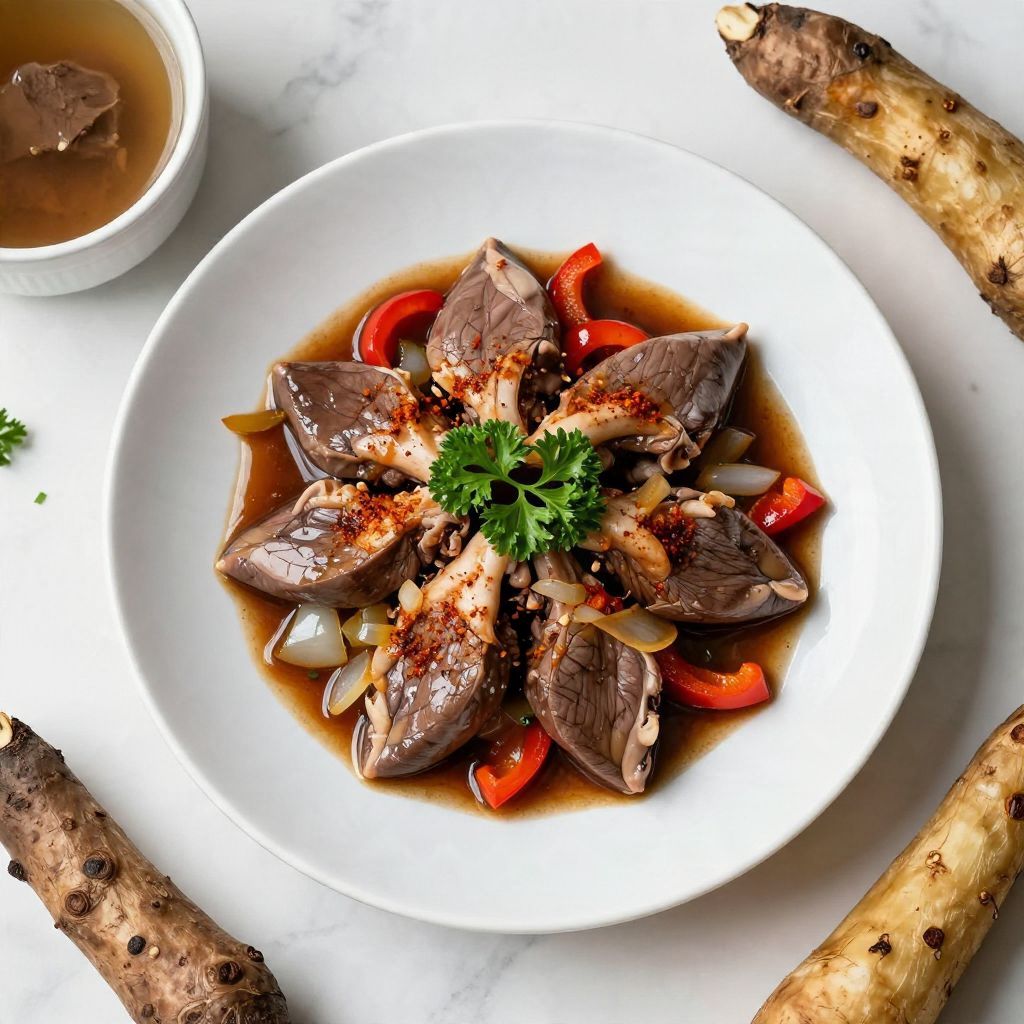
When I first tried cooking a deer heart, I was surprised by how tender and flavorful it turned out. This recipe is a hidden gem, showcasing the rich taste of organ meat that often gets overlooked, making it a unique and hearty dish.
Why You’ll Love This Recipe
This dish is not just about flavor; it offers a connection to the hunt and a chance to use every part of the animal.
- Rich and savory flavor that stands out.
- Quick to prepare, making it perfect for busy weeknights.
- Offers a nutritious option packed with protein.
- Perfect for adventurous eaters looking to try something new.
- Can be easily customized with different seasonings.
My Experience Making This Recipe
The first time I cooked a deer heart, I was a bit apprehensive. However, once I seasoned it and let it simmer, the aroma filled my kitchen, and I knew I was onto something special.
When I served it to my family, their expressions were priceless. They were amazed at how tender and flavorful it was, proving that even the less popular cuts can shine with the right approach.
Recipe Overview
- Recipe Name: Deer Heart Recipe
- Servings: 4
- Prep Time: 15 minutes
- Cook Time: 30 minutes
- Total Time: 45 minutes
- Course: Main Course
- Cuisine: Wild Game
- Calories per Serving: 250
Equipment You Will Need
- Sharp knife
- Cutting board
- Skillet or frying pan
- Wooden spoon
- Meat thermometer
Ingredients for Deer Heart Recipe
- 1 deer heart, cleaned and trimmed
- 2 tablespoons olive oil
- 1 onion, chopped
- 3 cloves garlic, minced
- 1 bell pepper, chopped
- 2 teaspoons smoked paprika
- Salt and pepper, to taste
- 1 cup beef or game broth
- Fresh parsley, for garnish
Ingredient Notes and Substitutions
- Deer heart: This is the star of the dish, offering a unique flavor profile. You could substitute with other organ meats, like beef heart, if desired.
- Olive oil: Used for sautéing to impart a rich flavor. Can be replaced with butter for a different taste.
- Onion: Adds sweetness and depth. Shallots can work well if you prefer a milder flavor.
- Smoked paprika: Brings a hint of smokiness. Regular paprika can be used if you want to skip the smokiness.
How to Make Deer Heart Recipe
Step 1: Prepare the Heart
Start by cleaning the deer heart thoroughly, removing any fat or connective tissue. This step is crucial for ensuring a tender final dish.
Step 2: Cut into Strips
Slice the heart into thin strips to promote even cooking. Thinner strips cook faster and absorb flavors better.
Step 3: Heat the Oil
In a skillet, heat the olive oil over medium heat until shimmering. This helps create a nice sear on the heart strips.
Step 4: Sauté the Onions and Garlic
Add the chopped onion and minced garlic to the skillet. Sauté until the onion is translucent, about 3-4 minutes.
Step 5: Add the Heart Strips
Next, add the heart strips to the skillet in a single layer. This ensures they sear properly and develop a nice crust.
Step 6: Season and Cook
Sprinkle the smoked paprika, salt, and pepper over the heart. Cook for about 5-7 minutes, stirring occasionally, until browned.
Step 7: Add Broth and Simmer
Pour in the broth and bring the mixture to a gentle simmer. This will keep the heart moist while allowing the flavors to meld.
Step 8: Garnish and Serve
Once cooked through, remove from heat and garnish with fresh parsley. Serve immediately to enjoy the rich flavors.
Pro Tip: Make sure not to overcook the heart, as it can become tough; aim for a medium doneness for the best texture.
Tips for the Best Deer Heart Recipe
- Use a meat thermometer to check for doneness; aim for around 140°F for medium.
- Allow the heart to rest for a few minutes before serving to keep it juicy.
- Experiment with different herbs and spices to customize the flavor to your liking.
- Serve with a side of roasted vegetables for a complete meal.
- Don’t skip the garnish; fresh herbs really brighten the dish.
Common Mistakes to Avoid
- Not cleaning the heart properly can lead to a tough texture.
- Overcooking the heart will make it chewy; aim for medium doneness.
- Skipping the seasoning will result in bland flavors; don’t be shy with the spices.
- Using a cold skillet will prevent a nice sear; ensure it’s hot before adding the heart.
Serving Suggestions
This dish pairs beautifully with a variety of sides, enhancing its hearty flavor.
- Mashed potatoes for a creamy contrast.
- Steamed green beans for a touch of freshness.
- Crusty bread for soaking up the juices.
- Roasted root vegetables for sweetness.
Variations to Try
- Add mushrooms for an earthy depth that complements the heart’s flavor.
- Incorporate spinach for a nutritious boost and a pop of color.
- Experiment with different types of broth, like chicken or vegetable.
- Try adding a splash of balsamic vinegar for a tangy twist.
Dietary Adaptations
- Gluten-free: This recipe is naturally gluten-free; just ensure your broth is certified gluten-free.
- Dairy-free: No dairy is used, making it suitable for those with lactose intolerance.
- Low-carb/keto: This dish is low in carbs, perfect for keto diets.
Storage and Reheating
Refrigerator
Store leftovers in an airtight container in the refrigerator for up to 3 days.
- Reheat gently on the stovetop over low heat.
- Adding a splash of broth can help keep it moist.
Freezer
This dish can be frozen, though the texture may change slightly upon thawing.
- Wrap tightly in freezer-safe packaging.
- Use within 3 months for optimal freshness.
Reheating
To reheat, thaw in the refrigerator overnight before warming on the stove.
- Heat gently to avoid overcooking.
- Always add a bit of liquid to keep it from drying out.
Nutrition Information
| Nutrient | Amount |
|---|---|
| Calories | 250 |
| Total Fat | 15g |
| Saturated Fat | 5g |
| Carbohydrates | 6g |
| Fiber | 2g |
| Sugar | 2g |
| Protein | 25g |
| Sodium | 300mg |
| Cholesterol | 100mg |
This information is approximate and can vary based on exact ingredients used.
Frequently Asked Questions
Can I use a different type of heart for this recipe?
Yes, beef heart or lamb heart can be substituted, though the cooking times may vary slightly.
Can I make this ahead of time?
Absolutely! You can prepare it a day in advance and reheat when ready to serve.
How do I store leftovers?
Store any leftovers in an airtight container in the refrigerator for up to three days.
What if the texture is tough?
This could happen if the heart is overcooked; aim for medium doneness for the best texture.
What can I serve with it?
It pairs well with mashed potatoes or roasted vegetables for a complete meal.
Final Thoughts
Cooking a deer heart may seem daunting, but it opens the door to a world of flavor and creativity. I encourage you to give this recipe a try; you might just find a new favorite.
If you’re interested in exploring more wild game recipes, check out my venison jerky recipe or try a comforting rabbit stew recipe. Happy cooking!
Deer Heart Recipe
Ingredients
Equipment
Method
- Start by cleaning the deer heart thoroughly, removing any fat or connective tissue.
- Slice the heart into thin strips to promote even cooking.
- In a skillet, heat the olive oil over medium heat until shimmering.
- Add the chopped onion and minced garlic to the skillet. Sauté until the onion is translucent, about 3-4 minutes.
- Add the heart strips to the skillet in a single layer.
- Sprinkle the smoked paprika, salt, and pepper over the heart. Cook for about 5-7 minutes, stirring occasionally, until browned.
- Pour in the broth and bring the mixture to a gentle simmer.
- Once cooked through, remove from heat and garnish with fresh parsley.
- Serve immediately to enjoy the rich flavors.