
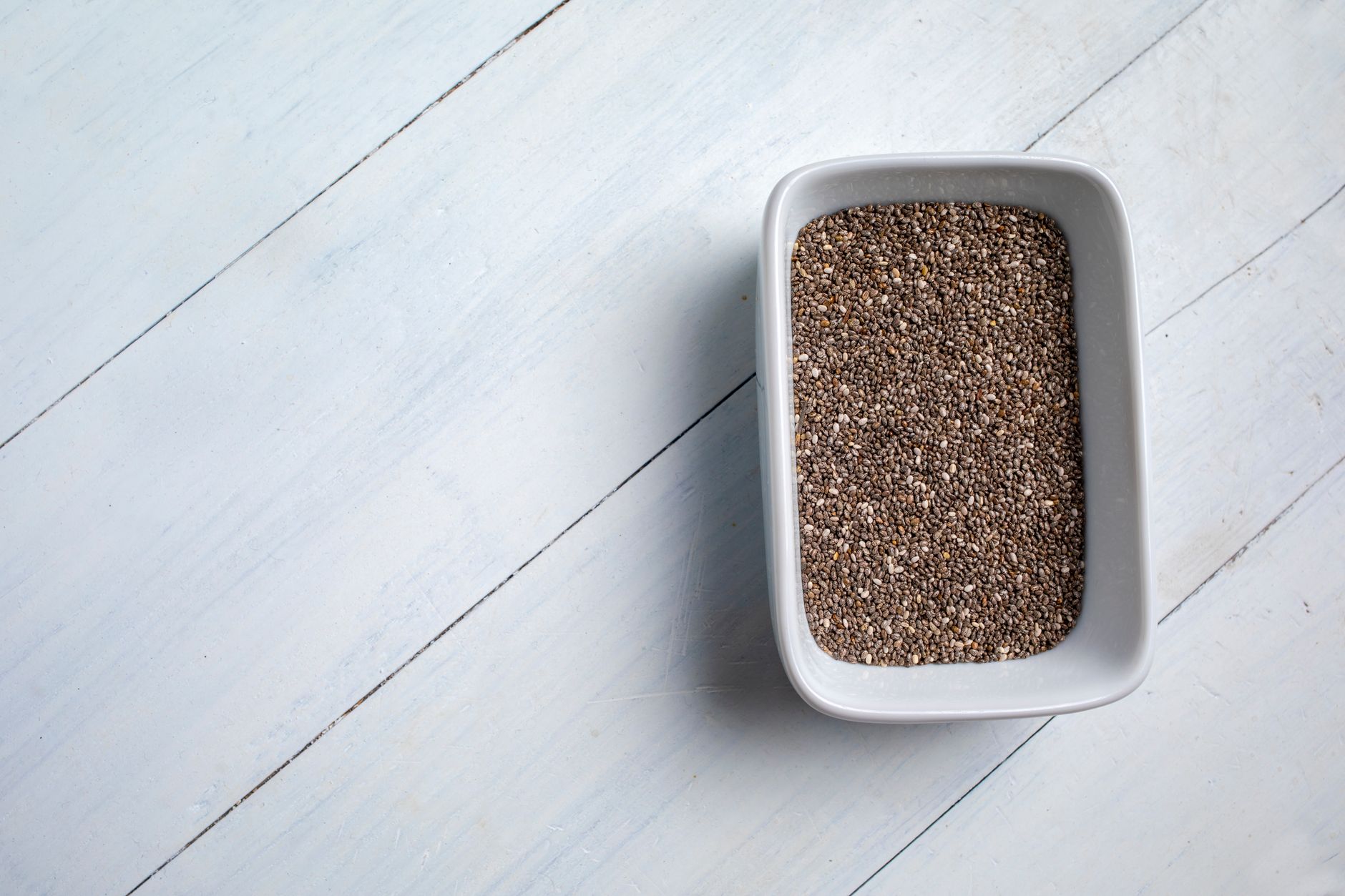
Chia seeds have gained immense popularity due to their nutritional profile and versatility in various dishes. One of the most talked-about benefits is their high omega-3 fatty acid content. But how significant are these amounts, and what does that mean for your diet? This article will cover everything you need to know about chia seeds and their omega-3 content, helping you make informed dietary choices.
In addition to omega-3s, chia seeds are packed with fiber, protein, and various essential nutrients. This article will detail the amounts, portions, nutrition facts, and health benefits of incorporating chia seeds into your meals, allowing you to unlock their full potential.
Do Chia Seeds Have Omega 3?
Yes, chia seeds are an excellent source of omega-3 fatty acids, particularly alpha-linolenic acid (ALA). In just one ounce (28 grams) of chia seeds, there are approximately 5,055 milligrams of ALA. This makes them one of the richest plant-based sources of omega-3s.
Understanding Omega-3 Fatty Acids
Omega-3 fatty acids are essential fats that your body cannot produce on its own, making it crucial to obtain them through your diet. There are three main types of omega-3s:
- Alpha-linolenic acid (ALA): Found in plant sources like chia seeds, flaxseeds, and walnuts.
- Eicosapentaenoic acid (EPA): Primarily found in fatty fish like salmon and sardines.
- Docosahexaenoic acid (DHA): Also found in fatty fish, crucial for brain health.
ALA is the only omega-3 that your body can get from plant sources. It can be converted into EPA and DHA, although this process is not very efficient. Incorporating chia seeds into your diet is a great way to increase your ALA intake.
Nutritional Profile of Chia Seeds
Beyond omega-3s, chia seeds boast a well-rounded nutritional profile. Here’s a breakdown of the nutritional values for a 1-ounce (28-gram) serving:
- Calories: 137
- Protein: 4.4 grams
- Fat: 8.6 grams (5,055 mg of omega-3 ALA)
- Carbohydrates: 12 grams
- Fiber: 10.6 grams
- Calcium: 18% of the Daily Value (DV)
- Magnesium: 30% of the DV
- Phosphorus: 27% of the DV
- Manganese: 30% of the DV
This makes chia seeds not only a good source of omega-3s but also an excellent source of fiber and several important minerals.
Health Benefits of Omega-3s in Chia Seeds
Incorporating omega-3 fatty acids from chia seeds into your intake can offer various health benefits, including:
Cardiovascular Health
The intake of omega-3 fatty acids is linked to improved heart health. ALA can help lower cholesterol levels, reduce inflammation, and improve overall heart function.
Brain Function
Omega-3 fatty acids play a crucial role in brain health. They can help improve cognitive function and may reduce the risk of neurological disorders such as Alzheimer’s disease.
Digestive Health
The high fiber content in chia seeds promotes digestive health by aiding in regular bowel movements and supporting healthy gut bacteria.
Weight Management
Chia seeds can help with weight management due to their ability to absorb water and expand in the stomach, promoting a feeling of fullness.
How to Incorporate Chia Seeds into Your Diet
Chia seeds are incredibly versatile and can be added to a variety of dishes. Here are some practical ways to incorporate them into your meals:
1. Breakfast Smoothies
Add a tablespoon of chia seeds to your morning smoothie. They blend seamlessly and add a nutritional boost.
2. Overnight Oats
Mix chia seeds into overnight oats for added texture and nutrition. Combine equal parts oats, milk (or dairy alternative), and chia seeds, and leave them overnight in the fridge.
3. Chia Pudding
For a simple dessert or snack, mix chia seeds with your choice of milk and sweetener, then let it sit until it thickens. You can also add fruits, nuts, or spices for added flavor.
4. Baking
Add chia seeds to baked goods like muffins, breads, and pancakes for a nutritional boost.
5. Salads and Dressings
Sprinkle chia seeds over salads or mix them into homemade salad dressings for added crunch and nutrients.
Portions and Serving Sizes
When including chia seeds in your diet, determining the right portion size is essential. A typical serving size is around 1 to 2 tablespoons (10 to 20 grams). This amount provides a substantial dose of omega-3s, fiber, and protein while keeping calorie intake reasonable.
Having chia seeds in moderate amounts is recommended, as excessive intake may lead to digestive discomfort due to their high fiber content. Aim to start at 1 tablespoon per day and gradually increase based on your individual tolerance.
Practical Tips for Using Chia Seeds
Here are some practical tips for making the most out of chia seeds:
1. Soaking Chia Seeds
Soaking chia seeds before consumption can enhance their digestibility and nutrient absorption. To soak, mix 1 part chia seeds with 4 parts water and let it sit for about 30 minutes until they form a gel-like consistency.
2. Storage
Store chia seeds in a cool, dark place in an airtight container. When stored properly, they can last up to two years without losing their nutritional value.
3. Avoiding Clumping
When adding chia seeds to liquid, they can clump together if not stirred properly. Mix them thoroughly to ensure even distribution.
4. Pairing with Other Ingredients
For a delicious flavor combination, pair chia seeds with ingredients like vanilla, cocoa powder, honey, or maple syrup. These pairings can further enhance the taste of your dishes.
Common Mistakes and Troubleshooting
While using chia seeds in your meals is straightforward, some common mistakes may hinder their benefits:
Poor Hydration
Chia seeds absorb a significant amount of water—up to 12 times their weight. Not hydrating them properly can lead to digestive issues. Always ensure you soak or consume them with enough liquid.
Excessive Sugar
When using chia seeds in recipes, avoid excessive sugar or sweeteners. To keep them healthful, opt for natural sweeteners or fruits.
Neglecting Ingredient Pairing
Chia seeds can have a mild flavor, so don’t be afraid to pair them with stronger flavors, such as spices or zest, to enhance your dishes.
Chia Seeds vs. Other Sources of Omega-3
While chia seeds are a rich plant-based source of omega-3s, it’s helpful to compare them with other sources:
- Flaxseeds: Another excellent source of ALA, containing similar amounts per ounce.
- Hemp Seeds: Provide a nice balance of omega-3 and omega-6 fatty acids, though with less ALA than chia seeds.
- Fatty Fish: Salmon and sardines are particularly high in EPA and DHA, which are beneficial types of omega-3s.
While chia seeds are a fantastic source for those who prefer plant-based diets, incorporating various omega-3 sources can help you achieve a balanced omega-3 intake.
Simple Chia Seed Recipes
Here are a couple of simple recipes that utilize chia seeds effectively.
Chia Seed Pudding Recipe
This easy chia seed pudding can be tailored to your tastes.
- Ingredients:
- 1/4 cup chia seeds
- 1 cup almond milk (or any milk of your choice)
- 2 tablespoons honey or maple syrup
- 1 teaspoon vanilla extract
- Toppings: fruits, nuts, or granola
Instructions:
- In a bowl, mix together the chia seeds, milk, sweetener, and vanilla extract.
- Stir well to combine, then let it sit for 5 minutes.
- Stir again to prevent clumping, then cover and refrigerate for at least 2 hours or overnight.
- Once set, serve with desired toppings.
Chia Seed Smoothie Recipe
This delicious smoothie is packed with nutrients.
- Ingredients:
- 1 banana
- 1 cup spinach or kale
- 1 tablespoon chia seeds
- 1 cup almond milk (or any milk of your choice)
- Optional: 1 tablespoon nut butter for added creaminess
Instructions:
- In a blender, combine banana, spinach, chia seeds, and milk. Blend until smooth.
- Add nut butter if desired, and blend again.
- Pour into a glass and enjoy!
Conclusion
Chia seeds are not only rich in omega-3 fatty acids but also offer a plethora of nutritional benefits that can enhance your overall diet. With their versatility, they can easily be incorporated into various meals and snacks. Whether you sprinkle them on a salad or blend them into a smoothie, chia seeds are an excellent addition for anyone looking to boost their omega-3 intake.
Explore related recipes and cooking tips to learn more about how ingredients like chia seeds can enhance your meals. Check out what are the benefits of chia seeds and how long should chia seeds soak for the best preparation methods.