
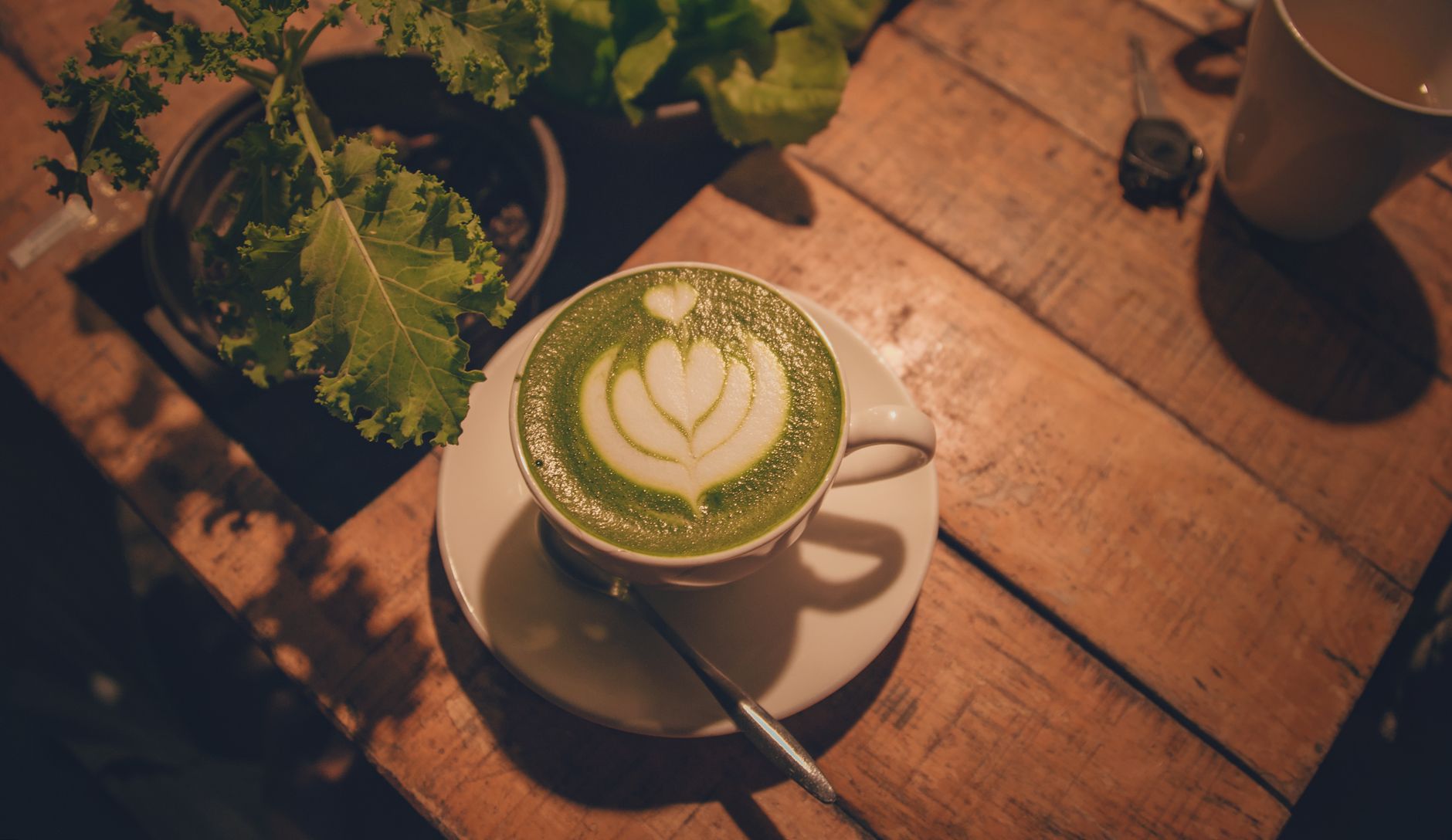
As more people turn to matcha for its unique flavor and potential health benefits, many expecting mothers wonder whether this vibrant green tea is safe during pregnancy. Understanding the possible effects of matcha on pregnancy is crucial, especially since each mother’s body is different.
In this article, we will explore the safety of matcha during pregnancy, how it can fit into your diet, and what to keep in mind before you sip that enticing cup. By the end, you’ll gain clarity on whether incorporating matcha into your pregnancy diet is a good idea.
Is Matcha Safe During Pregnancy?
Yes, matcha can be safe during pregnancy when consumed in moderation. However, it’s essential to be conscious of the caffeine content and any potential risks associated with using matcha as part of your diet. Pregnant women should always consult their healthcare provider before introducing new ingredients or beverages into their diet.
What is Matcha?
Matcha is a finely ground powder made from specially grown green tea leaves, primarily from Japan. Unlike traditional brewed green tea, where the leaves are steeped and then discarded, matcha allows you to consume the whole leaf, maximizing its flavor and potential health benefits. It has a rich, umami taste with a slightly sweet aftertaste and a smooth texture.
Nutritional Benefits of Matcha
Matcha offers an array of nutrients and compounds that can benefit overall health, especially when incorporated into a balanced diet. Here are some notable benefits:
- High in Antioxidants: Matcha is rich in catechins, particularly epigallocatechin gallate (EGCG), which can help neutralize free radicals in the body.
- Enhanced Mental Clarity: The L-theanine in matcha can promote relaxation while maintaining alertness, aiding concentration.
- Potential Metabolic Benefits: Some studies suggest that green tea may support weight management by boosting metabolism.
Caffeine Content in Matcha
Caffeine is one of the primary components to consider when evaluating the safety of matcha during pregnancy. A typical serving of matcha contains about 70 milligrams of caffeine, whereas a cup of brewed coffee can contain around 95 milligrams or more.
Current guidelines recommend that pregnant women limit their caffeine intake to less than 200 milligrams per day, equivalent to about one 12-ounce cup of coffee. Given this guideline, it’s crucial to monitor your total daily caffeine consumption from all sources, including matcha.
Potential Risks Associated with Matcha During Pregnancy
While matcha has benefits, there are also potential risks to consider:
- Caffeine Sensitivity: Pregnancy can change how the body metabolizes caffeine. Many women may experience increased sensitivity, leading to jitters, increased heart rate, or sleep disturbances.
- Heavy Metal Contaminants: Depending on where it is sourced, matcha can contain heavy metals like lead due to soil contamination. It’s essential to choose high-quality, reputable brands.
- Herbal Interactions: If you are taking other herbal supplements or medications, matcha may interact with them. Always consult with your healthcare provider.
How to Safely Enjoy Matcha During Pregnancy
If you enjoy matcha and want to include it in your diet while pregnant, here are some practical tips:
- Limit your intake: Stick to one serving of matcha per day to stay within caffeine guidelines. This is roughly equivalent to one cup of prepared matcha.
- Choose high-quality matcha: Look for brands that provide transparency about sourcing and testing for contaminants. Ceremonial-grade matcha is often the best choice.
- Stay hydrated: Make sure to drink plenty of water throughout the day, especially if you’re consuming caffeinated beverages.
Delicious Matcha Recipes for Pregnancy
If you decide to incorporate matcha into your pregnancy diet, consider trying some of these flavorful recipes. Each recipe is designed to balance the distinct taste of matcha while ensuring you still receive the nutrients you need.
Matcha Smoothie Bowl
This refreshing matcha smoothie bowl is a perfect breakfast or snack option, providing a nutrient-dense start to your day.
Yield: 2 servings
Preparation Time: 10 minutes
Ingredients:
- 1 frozen banana
- 1 cup spinach or kale
- 1 tablespoon matcha powder
- 1/2 cup almond milk (or your preferred milk)
- Toppings: sliced fruit, granola, seeds, or nuts
Method:
- In a blender, combine the frozen banana, leafy greens, matcha powder, and almond milk. Blend until smooth.
- Pour the mixture into a bowl and top with your choice of sliced fruit, granola, seeds, or nuts.
- Serve immediately and enjoy your nutrient-packed breakfast or snack!
Matcha Oatmeal
This warm bowl of oatmeal is a cozy way to start the day, providing fiber and essential nutrients.
Yield: 2 servings
Preparation Time: 10 minutes
Ingredients:
- 1 cup rolled oats
- 2 cups almond milk (or your preferred milk)
- 1 tablespoon matcha powder
- 1 tablespoon honey or maple syrup (optional)
- Fresh berries or banana slices for topping (optional)
Method:
- In a saucepan, combine rolled oats and almond milk. Bring to a boil over medium heat.
- Once boiling, reduce heat and stir in the matcha powder. Cook for about 5-7 minutes, stirring occasionally until the oats are tender.
- If desired, stir in honey or maple syrup before serving. Top with fresh berries or banana slices.
- Serve warm and enjoy!
What to Avoid When Consuming Matcha During Pregnancy
While matcha can be safe in moderation, there are specific practices you should avoid:
- Overconsumption: Stick to one serving of matcha each day to stay within caffeine limits.
- Unverified Brands: Avoid low-quality matcha products that may contain contaminants.
- Non-Hydrating Options: Pair matcha with enough fluids. Overly concentrated versions can lead to dehydration.
When to Consult a Healthcare Provider
If you have concerns about matcha or any dietary changes during pregnancy, it’s essential to consult a healthcare provider. This is particularly relevant if you:
- Have a medical history that requires careful monitoring of caffeine.
- Experience unusual side effects after consuming matcha.
- Are taking medications or other supplements.
Conclusion
In moderate amounts, matcha can be a safe and enjoyable addition to your diet during pregnancy. With its rich flavor and potential health benefits, it offers a refreshing alternative to traditional caffeinated beverages. Always prioritize quality and moderation, and consult your healthcare provider to ensure it fits your specific needs.
Explore more about incorporating matcha in your daily meals with delightful recipes such as matcha tiramisu or refreshing strawberry matcha.