
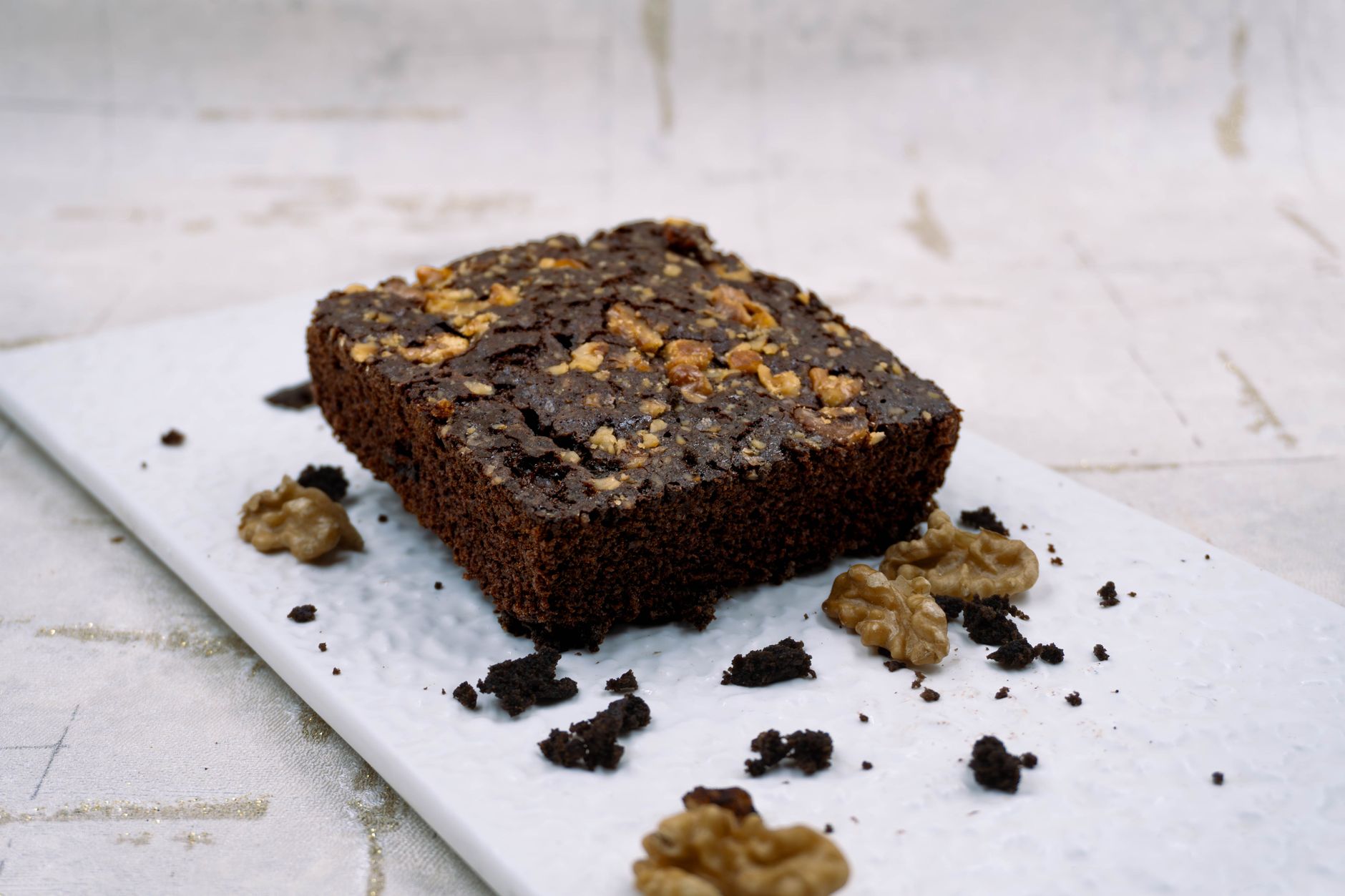
Cortisol is often referred to as the stress hormone, and it plays a crucial role in various bodily functions. High cortisol levels can lead to a variety of health issues, particularly in women, including anxiety, weight gain, and disrupted sleep patterns. By incorporating specific foods into daily meals, individuals can help lower their cortisol levels and promote overall well-being.
This article will explore various foods known for their cortisol-lowering properties, offering a practical guide on how to incorporate them into everyday meals. From fruits and vegetables to proteins and healthy fats, we’ll cover the key players that can support hormonal balance and stress management.
What Foods Lower Cortisol Levels in Women?
Several types of foods are proven to help lower cortisol levels in women. These include nutrient-dense options rich in antioxidants, omega-3 fatty acids, and other essential vitamins and minerals. Incorporating these foods regularly into your diet can lead to enhanced mental health and reduced stress.
Fruits and Vegetables
Fruits and vegetables are great for overall health, and many of them possess qualities that can directly aid in lowering cortisol levels. Here are some of the most effective options:
1. Berries
Berries such as blueberries, strawberries, and raspberries are packed with antioxidants that combat oxidative stress, indirectly helping to manage cortisol levels. They are also rich in vitamin C, known for its ability to reduce hormone fluctuations during stress.
- Suggestions: Add berries to smoothies, salads, or oatmeal.
2. Leafy Greens
Leafy greens like spinach, kale, and Swiss chard are high in magnesium, a mineral that plays an essential role in regulating cortisol production. Consuming adequate magnesium can help keep stress levels in check.
- Suggestions: Blend leafy greens into smoothies, use them as a base for salads, or sauté as a side dish.
3. Avocado
Avocado is not only filling; it is also rich in healthy fats and potassium. The healthy fats in avocados can help regulate hormone secretion, including cortisol.
- Suggestions: Use avocado in salads, spread it on toast, or mash it into guacamole.
Whole Grains
Whole grains are excellent sources of fiber and nutrients, helping to balance blood sugar levels and stabilize hormones.
1. Oats
Oats are a great strategy for healthful breakfasts, high in soluble fiber, which can help lower cortisol levels. Additionally, oats contain B vitamins that support adrenal function.
- Suggestions: Prepare oatmeal with fruits and nuts or make overnight oats for a quick breakfast.
2. Quinoa
Quinoa is a complete protein that is also gluten-free and packed with magnesium. It’s beneficial for maintaining stable blood sugar and energy levels, thus regulating cortisol.
- Suggestions: Use quinoa in salads, as a grain bowl base, or as a side dish.
Proteins
Increasing protein intake can also help with cortisol regulation. Here are some excellent options:
1. Fatty Fish
Fish like salmon, sardines, and mackerel are high in omega-3 fatty acids. Omega-3 fatty acids help combat inflammation and may lower cortisol levels during periods of stress.
- Suggestions: Grill, bake, or pan-sear fatty fish and serve with vegetables for a nutritious meal.
2. Eggs
Eggs are an excellent source of protein and contain essential nutrients such as vitamin D and B vitamins. They can help in managing stress levels and promoting overall health.
- Suggestions: Enjoy them scrambled, poached, or in an omelet with vegetables.
Nuts and Seeds
Nuts and seeds are rich in healthy fats, proteins, and vitamins that can regulate cortisol levels effectively.
1. Walnuts
Walnuts are particularly high in omega-3 fatty acids, contributing to lower cortisol levels. They are a great snack option for stress relief.
- Suggestions: Add walnuts to salads, oatmeal, or enjoy them as a stand-alone snack.
2. Chia Seeds
These tiny seeds are a powerhouse of nutrients, including omega-3 fatty acids and fiber, essential for stabilizing hormonal balance.
- Suggestions: Incorporate chia seeds into smoothies, yogurt, or chia pudding.
Herbs and Spices
Certain herbs and spices are known to have stress-reducing properties that can directly impact cortisol levels.
1. Ashwagandha
Ashwagandha is an adaptogen that helps the body adapt to stress and can effectively reduce cortisol levels.
- Suggestions: Use ashwagandha powder in smoothies or add it to warm milk.
2. Turmeric
Turmeric contains curcumin, which has anti-inflammatory properties and may help lower cortisol levels. Consuming turmeric with black pepper enhances its absorption.
- Suggestions: Add turmeric to rice dishes, curries, or simmer in soups.
Healthy Fats
Incorporating healthy fats can be a key strategy to lower cortisol while maintaining proper hormonal balance.
1. Olive Oil
Extra virgin olive oil is rich in monounsaturated fats and antioxidants; it is known for its anti-inflammatory properties, which may help keep cortisol levels low.
- Suggestions: Use olive oil in salad dressings or for sautéing vegetables.
2. Dark Chocolate
Dark chocolate (at least 70% cacao) has been linked to lowering cortisol levels through its rich antioxidant content. It can also provide a pleasure boost, which is helpful in combating stress.
- Suggestions: Enjoy a small piece as a treat or use dark chocolate in desserts.
Fermented Foods
Gut health is closely connected to stress levels. Fermented foods can help promote a healthy microbiome, which in turn may assist in regulating cortisol levels.
1. Yogurt
Yogurt contains probiotics that support digestive health and promote a healthy gut. A healthy gut can stabilize cortisol levels.
- Suggestions: Enjoy yogurt topped with fruits, nuts, or granola.
2. Kimchi and Sauerkraut
Both kimchi and sauerkraut are rich in probiotics, aiding gut health and potentially reducing inflammation related to stress.
- Suggestions: Serve kimchi as a side dish or mix sauerkraut into salads or sandwiches.
Meal Planning for Cortisol Management
Incorporating cortisol-lowering foods into your diet doesn’t have to be overwhelming. Here are some practical meal planning tips to help make these foods a regular part of your routine:
1. Weekly Menu Ideas
Plan your meals around the foods mentioned. For example:
- **Breakfast**: Overnight oats with chia seeds and berries.
- **Lunch**: Quinoa salad with leafy greens, avocado, and walnuts.
- **Dinner**: Grilled salmon with steamed vegetables drizzled with olive oil.
- **Snacks**: A small piece of dark chocolate or yogurt with nuts.
2. Batch Cooking
Consider preparing larger quantities of certain foods to simplify meal prep during the week. Cook a batch of quinoa or make a large amount of overnight oats to have on hand.
3. Ingredient Overlap
Choose recipes that share ingredients, so you can minimize waste and save time. For example, use leafy greens in both salads and smoothies.
Common Mistakes and Troubleshooting
When focusing on diet changes to manage cortisol, it’s essential to avoid common pitfalls that can lead to frustration:
1. Fad Diets
Steering clear of extreme dietary changes is vital. Instead, embrace balanced eating and focus on incorporating healthy foods gradually.
2. Ignoring Portion Control
Even with healthy foods, moderation is key. Overeating healthy fats or carbohydrates can lead to weight gain, which may increase cortisol levels.
3. Skipping Meals
Skipping meals can disrupt blood sugar levels and potentially lead to increased cortisol production. Aim for three well-balanced meals and healthy snacks.
Storage and Preparation Tips
Proper storage and preparation of foods can enhance their benefits:
- Store nuts and seeds in airtight containers to maintain freshness.
- Keep whole grains like oats and quinoa in cool, dry places.
- Prepare fermented foods at home, ensuring they are correctly labeled and stored.
Conclusion
Incorporating specific foods into your diet can be an effective strategy for lowering cortisol levels in women. From nutrient-dense fruits and vegetables to healthy fats and proteins, creating a balanced meal plan can significantly impact hormonal health. Start by gradually adding these foods into your meals, and consider each ingredient’s potential interactions and benefits.
For further exploration, consider checking out the benefits of chia seeds or trying out a chia pudding recipe! Both can be excellent additions to your new healthy regime.