
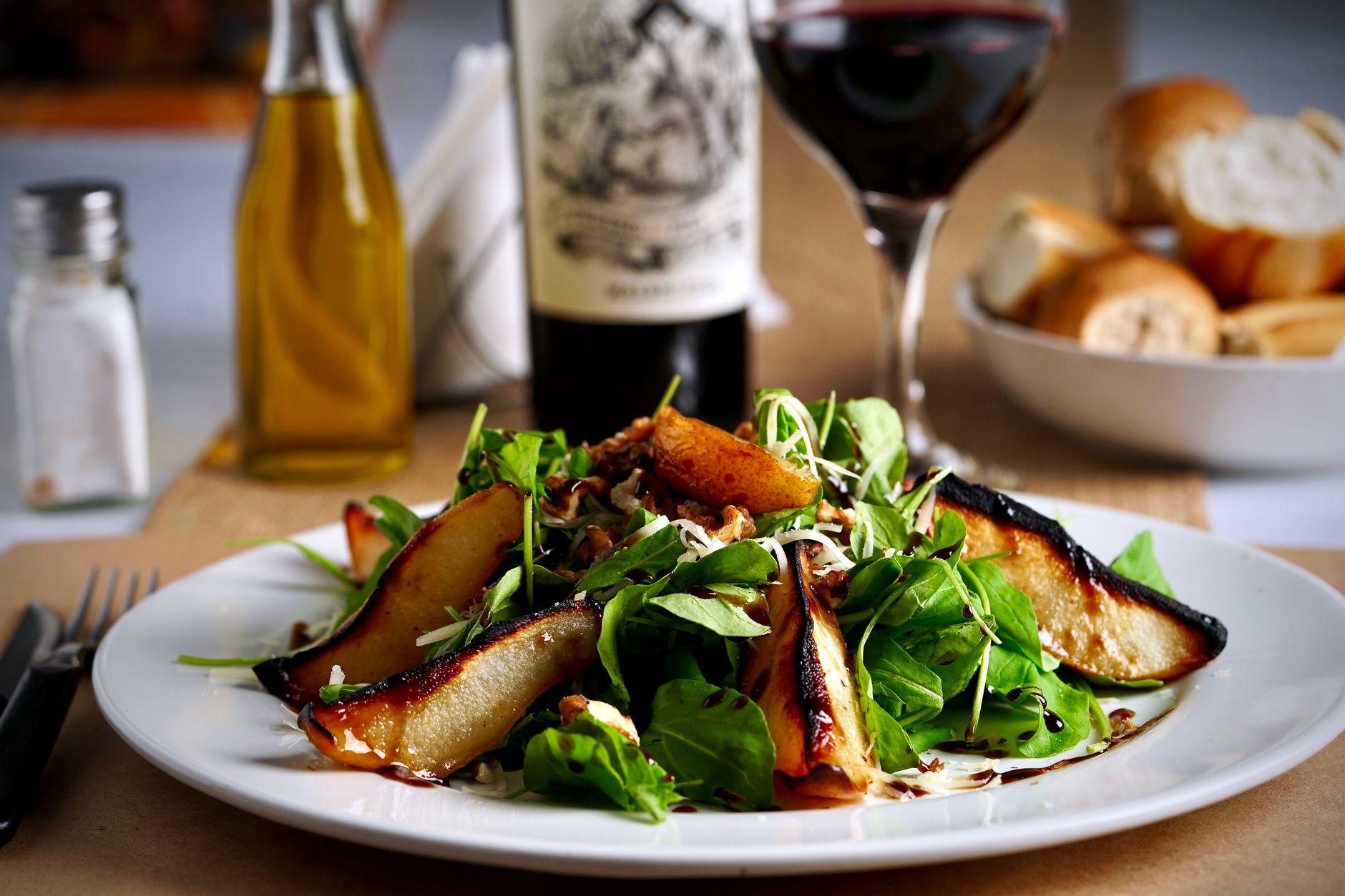
French dressing is a popular salad dressing made primarily from oil, vinegar, and a blend of spices, often featuring a sweet-tasting profile due to the inclusion of sugar or other sweet ingredients. Many people enjoy its tangy flavor, but a common question arises: is French dressing healthy? This article delves into the nutritional aspects of French dressing, its potential benefits, and how it compares to other salad dressings.
In this comprehensive guide, we will explore the ingredients commonly found in French dressing, their nutritional values, possible health benefits, and how to make informed choices when using this dressing in your meals. By the end, you’ll have a better understanding of whether French dressing can fit into a healthy diet.
Is French Dressing Healthy?
French dressing can be part of a healthy diet depending on the ingredients and portion size. Typically, it includes oil, vinegar, sweeteners, and spices, which can offer some advantages. However, commercial varieties often contain added sugars and preservatives that may detract from its healthfulness. Making a homemade version can enhance its nutritional profile, allowing you to control ingredients.
Understanding French Dressing Ingredients
French dressing is generally made from a few key ingredients. Here’s a breakdown of common components and their possible health implications:
- Oil: Most recipes use vegetable oil, which provides healthy fats. Olive oil, in particular, is associated with numerous health benefits due to its high content of monounsaturated fats and antioxidants.
- Vinegar: Often red wine or apple cider vinegar, vinegar has been linked to several health benefits, including improved digestion and potential blood sugar control.
- Sweeteners: Sugar is frequently added, which can increase calorie content. Some variations may use honey, maple syrup, or sweeteners like agave, which could have varying impacts on health.
- Mustard: This can add flavor and has some nutritional advantages, as mustard seeds contain beneficial compounds.
- Herbs and Spices: These enhances flavor and may contribute antioxidants, although their quantity in dressing is typically minimal.
- Sodium: Some store-bought options can be high in sodium, which may pose health risks if consumed excessively.
Nutritional Profile of French Dressing
The nutritional content of French dressing can vary significantly based on if it’s homemade or store-bought. Typically, a 2-tablespoon serving of French dressing contains:
- Calories: 100–150
- Fat: 10–15 grams
- Saturated fat: 1–2 grams
- Carbohydrates: 3–5 grams
- Sugar: 1–3 grams
- Sodium: 150–300 milligrams
These figures can fluctuate based on specific brands and recipes. Reading labels and ingredient lists can help you make healthier choices when selecting French dressing for your meals.
Potential Health Benefits of French Dressing
While French dressing isn’t often considered a superfood, it can offer some health benefits, especially when made with fresh ingredients:
Healthy Fats
Using a base of healthy oils, such as olive oil, provides essential fatty acids that can support heart health. Monounsaturated fats help to lower bad cholesterol levels and reduce the risk of cardiovascular disease.
Antioxidants
The vinegar used in French dressing can provide antioxidants, which combat oxidative stress in the body. Some herbs and spices added to French dressing can further enhance the antioxidant profile.
Blood Sugar Control
Studies suggest that vinegar may assist in lowering blood sugar levels after meals, which can be beneficial for managing weight and diabetes.
Flavor Enhancement
French dressing adds flavor to salads and vegetables, encouraging a diet rich in fresh produce. Increased consumption of fruits and vegetables is linked to various health benefits, including better digestion and reduced risk of chronic diseases.
Homemade vs. Store-Bought French Dressing
When contemplating health implications, homemade French dressing often outshines commercial varieties. Here are some clear advantages:
Control Over Ingredients
Making French dressing at home allows you to select high-quality oils, reduce sugar, and exclude preservatives and artificial flavorings. This control can lead to a healthier final product.
Customization
With homemade dressing, you can tailor flavors specifically to your liking by adjusting spices, sweeteners, and acidity levels. Variations could include adding garlic, herbs, or using alternative oils for different flavor profiles.
Freshness
Homemade dressings typically have fresher ingredients than mass-produced options that may contain artificial preservatives and shelf stabilizers.
How to Make Homemade French Dressing
Creating your own French dressing is simple and allows for a healthier option tailored to your taste preferences. Here’s a basic recipe to get you started:
Classic Homemade French Dressing
Yield: Approximately 1 cup
Preparation time: 10 minutes
Ingredients
- ½ cup olive oil
- ¼ cup red wine vinegar
- 1 tablespoon Dijon mustard
- 1 tablespoon honey or maple syrup
- 1 teaspoon garlic powder
- Salt and pepper to taste
- Optional: Fresh herbs (e.g., parsley) or a pinch of dried herbs (e.g., oregano or basil)
Essential Equipment
- Bowl or jar
- Whisk or fork for mixing
- Storage container (e.g., a bottle or jar with a lid)
Instructions
- In a jar or bowl, combine the olive oil, red wine vinegar, Dijon mustard, honey, and garlic powder.
- Whisk or shake the mixture until well blended.
- Add salt and pepper to taste.
- If desired, stir in fresh herbs or sprinkle in dried herbs for added flavor.
- Store in a sealed container in the refrigerator. Shake well before using.
This homemade dressing can be kept in the fridge for about one week. Adjust the ingredients according to your personal taste preferences or dietary needs.
Common Mistakes and Troubleshooting
Creating homemade French dressing is straightforward, but keep these pointers in mind to achieve the best results:
Overwhelming Flavors
If the dressing tastes too tangy or sweet, adjust the balance by adding more oil or vinegar gradually. Taste frequently to achieve desired flavor.
Lumping Condiments
Ensure your emulsifiers, like Dijon mustard, are well combined with oil and vinegar to prevent separation. Whisking or shaking vigorously can help create a smoother texture.
Storing Safely
Always store the dressing in an airtight container in the refrigerator. Avoid letting it sit out at room temperature for extended periods, which may lead to spoilage.
Serving Suggestions
French dressing complements various salads and dishes. Here are some ideas for using it creatively:
- Drizzle over mixed greens with nuts, fruits, or cheese.
- Use as a marinade for grilled chicken, shrimp, or vegetables.
- Mix into pasta salads for extra flavor.
- Incorporate into grain salads, like quinoa or farro, for a filling and nutritious meal.
Making Informed Choices
When choosing French dressing from a store, consider these factors:
- Check the ingredient list: Prefer brands with minimal, recognizable ingredients.
- Watch for added sugars: Opt for varieties with lower sugar content to avoid excess calories.
- Mind the sodium: If watching sodium intake, look for low-sodium options or make your own.
Alternatives to French Dressing
If you’re seeking other options or trying to alter your dressing routine, here are a few flavorful alternatives you might consider:
- Catalina Dressing: A sweeter alternative that still offers a tangy kick.
- Russian Dressing: A creamy style with a distinct taste that can elevate sandwiches and salads alike.
- Vinaigrettes: Using various vinegars and oils, vinaigrettes can be made sweeter or more tangy to cater to your taste.
- Yogurt-based dressings: For a lighter option, yogurt can be an excellent base for creamy dressings.
Conclusion
French dressing can be healthy if you pay attention to ingredients and portion sizes. Homemade versions allow for healthier customization while offering delicious flavor enhancements to salads and dishes. Understanding the nutritional aspects, potential health benefits, and making informed choices can help you incorporate French dressing into your diet wisely.
For more delicious dressing ideas, consider checking out our recipes for Catalina dressing and Russian dressing. Enjoy your culinary adventures!