
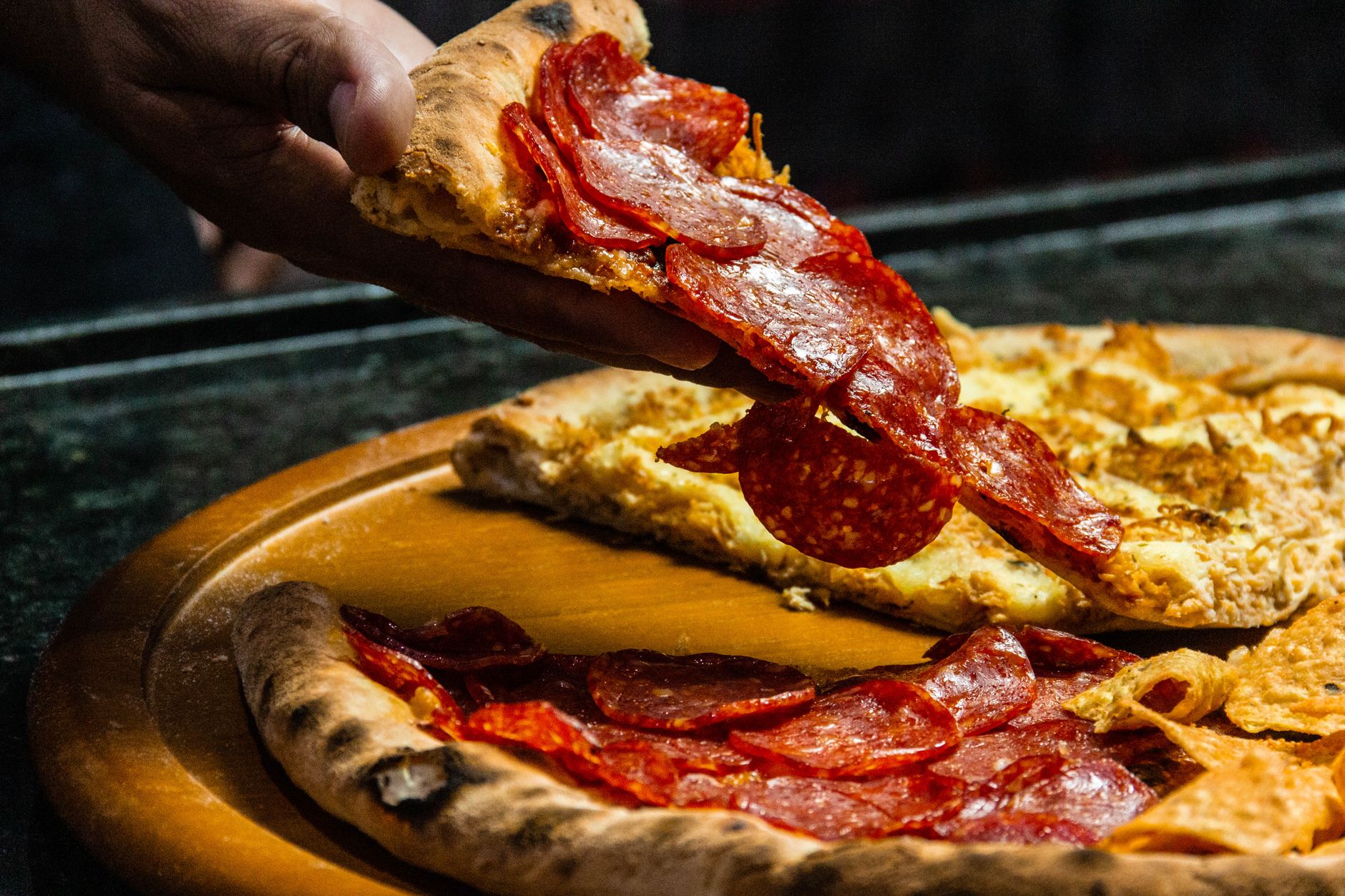
Understanding the caloric content of a pepperoni pizza is essential for both casual diners and health-conscious individuals. Pepperoni pizza, a beloved favorite, typically features a rich blend of cheese, spicy pepperoni, and a flavorful tomato-based sauce on a variety of crusts.
This article will explore how many calories are found in a typical serving of pepperoni pizza, factors that influence these numbers, and tips for enjoying this popular dish without derailing your dietary goals.
How Many Calories Is a Pepperoni Pizza?
On average, a single slice of pepperoni pizza contains approximately 300 to 400 calories. However, this number can vary significantly based on the type of crust, thickness, and toppings. A standard 14-inch pizza with 8 slices contains around 2,400 to 3,200 calories in total, depending on various factors.
Factors Influencing Caloric Content
Understanding what contributes to the total calorie count of a pepperoni pizza can help consumers make informed choices.
1. Crust Type
The pizza crust plays a pivotal role in its overall caloric content. Different types of crusts offer varying nutrition profiles:
- Thin crust: A lighter option, typically with fewer calories, averaging around 120 to 150 calories per slice.
- Traditional crust: The most common type in pizzerias, containing about 200 to 250 calories per slice.
- Deep-dish or stuffed crust: A heartier version, often exceeding 300 calories per slice.
2. Cheese Content
Cheese not only contributes flavor and texture but also affects the caloric total. The type and amount of cheese can elevate calorie counts significantly, with mozzarella typically adding 70 to 100 calories per slice. Variations or additional cheeses may add even more.
3. Pepperoni Quantity
Pepperoni is known for its flavor but also for its calorie density. A typical serving of pepperoni adds around 30 to 50 calories per slice. The amount used (more slices means more calories) will directly influence the total caloric content.
4. Sauce and Additional Toppings
While tomato sauce is generally lower in calories, the addition of items like garlic butter, extra cheese, or other meats can drastically increase the calorie count. Other toppings such as vegetables may add negligible calories but can enhance nutrients and taste.
Caloric Content Breakdown
To put the information into perspective, let’s break down the typical caloric content for various elements involved in a pepperoni pizza:
| Component | Calories (per slice) |
|---|---|
| Thin Crust | 120 – 150 |
| Traditional Crust | 200 – 250 |
| Deep-Dish Crust | 300 – 350 |
| Cheese | 70 – 100 |
| Pepperoni | 30 – 50 |
| Standard Size (1 slice from 14″ pizza) | 300 – 400 |
Serving Sizes and Considerations
Understanding serving sizes is crucial, especially when dining out or ordering pizza. Most pizzerias offer a standard medium to large pizza with eight slices, which can easily lead to overconsumption.
If you are watching your caloric intake, consider these tips for moderation:
- Limit servings: Stick to one or two slices instead of a few more to keep calorie counts manageable.
- Pair with a salad: Increase vegetable intake while enjoying a smaller portion of pizza.
- Opt for lighter crust: Choose thin crust variants whenever possible.
- Be mindful of toppings: Limit high-calorie toppings and opt for vegetables instead.
Enjoying Pepperoni Pizza Guilt-Free
For pizza lovers, there are ways to enjoy pepperoni pizza without significant guilt. Here are some practical tips:
1. Homemade Options
Making pizza at home allows you to control the ingredients. Consider using whole-wheat flour for a healthier crust or reducing the amount of cheese.
2. Ingredient Substitutions
You can substitute traditional ingredients with less calorie-dense alternatives. Here are a few ideas:
- Vegetarian cheese: Reduces calories and fat while maintaining flavor.
- Turkey pepperoni: A leaner alternative to traditional pepperoni that can save calories.
- Cauliflower crust: Low-carb option that greatly reduces calorie count.
3. Portion Control Techniques
If ordering from a store or restaurant, use the following strategies:
- Share a pizza: Splitting a pizza with friends or family can keep calorie counts in check.
- Choose smaller sizes: Opt for a small or personal-sized pizza instead of a larger option.
- Ask for less cheese: Many pizzerias will accommodate requests for less cheese.
Common Mistakes When Estimating Calories
Many individuals make common mistakes when estimating calorie content, leading to unintentional excesses. Consider these pitfalls:
- Not accounting for extra toppings, which can compound calorie counts.
- Neglecting to consider the size of the slice, especially at restaurants where portions may differ.
- Overlooking that each type of crust has significant variations in caloric values.
Balancing Enjoyment and Nutrition
It’s essential to appreciate that enjoying a slice of pepperoni pizza doesn’t mean sacrificing dietary goals. The key lies in moderation and balance.
Consider scheduling a workout after enjoying pizza to counteract calorie intake, or opt for physical activities throughout the week to balance indulgences.
Additionally, remember that food should bring joy. If pizza is what you crave, embrace it in moderation, and enjoy the flavors without fear.
Conclusion and Next Steps
Knowing the caloric content of pepperoni pizza enhances one’s dining experience by promoting mindful eating habits. By understanding the variance in calories based on crust type, cheese, toppings, and serving size, you can enjoy this classic dish while staying within your desired calorie limits.
Explore healthier alternatives, such as incorporating homemade pizza recipes like sourdough discard pizza dough or Sicilian pizza dough. These options allow you to tailor the pizza to your taste preferences and nutritional goals.
Whether you are sharing a pie with friends or enjoying a slice during a movie night, a pepperoni pizza can certainly remain part of a balanced diet with a mindful approach.
For additional cooking inspiration and guidance, check out our articles on sourdough discard pizza dough recipe or Sicilian pizza dough recipe.