
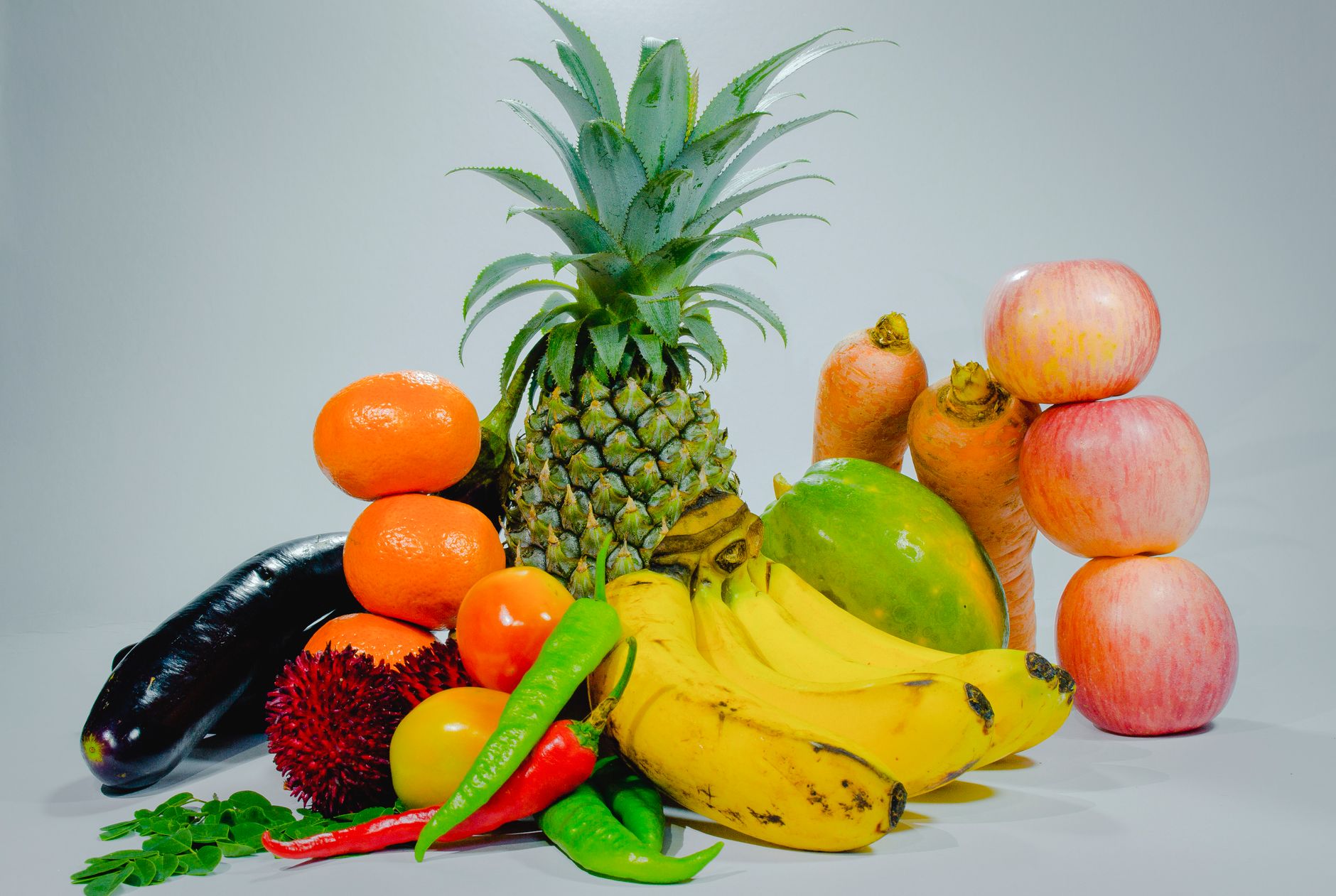
The distinction between fruits and vegetables is often misunderstood in the culinary world. While botanically their definitions are clear, in cooking, they are often classified differently based on taste and usage.
This article will clarify the differences between fruits and vegetables, explore their culinary uses, and highlight some excellent substitutions for both categories. Understanding these key differences can help you make better choices when planning meals or selecting ingredients.
What Is The Difference Between A Vegetable And A Fruit?
The primary difference between fruits and vegetables lies in their botanical definitions. Fruits develop from the flower of a plant and contain seeds, while vegetables consist of other plant parts such as roots, stems, and leaves. However, in culinary terms, fruits are typically sweet or tart, while vegetables are more savory.
Botanical Classification of Fruits and Vegetables
To grasp the difference more clearly, it helps to understand the botanical aspects:
- Fruit: A fruit is the mature ovary of a flowering plant, usually containing seeds. Examples include apples, tomatoes, and cucumbers.
- Vegetable: Vegetables are the edible parts of plants that are not fruits. They can include leaves (spinach), stems (celery), roots (carrots), and flowers (broccoli).
Culinary Classification of Fruits and Vegetables
In the kitchen, the classifications can sometimes blur:
- Savory Uses: Vegetables are often used in savory dishes. Think of sautés, stir-fries, and salads.
- Sweet Uses: Fruits are commonly found in desserts, smoothies, and sweet salads.
Examples of Common Fruits and Vegetables
Here are some common examples to illustrate the differences:
| Type | Examples |
|---|---|
| Fruits | Apples, Bananas, Oranges, Strawberries, Tomatoes, Bell Peppers |
| Vegetables | Carrots, Broccoli, Spinach, Potatoes, Cucumbers, Zucchini |
Common Uses for Fruits and Vegetables
Understanding how to use fruits and vegetables effectively in cooking can elevate your meals. Here are some common uses:
Fruits
- Snacking: Fresh fruits make convenient, healthy snacks that are easy to grab on the go.
- Desserts: Fruits are often used in pies, tarts, and cakes, adding natural sweetness and moisture.
- Salads: Fruits can add flavor and texture to salads, balancing savory ingredients with sweetness.
Vegetables
- Soups and Stews: Vegetables provide body, flavor, and nutrition to soups and stews.
- Sides: Steamed, roasted, or sautéed vegetables are common side dishes that complement a main entrée.
- Stir-fries: Vegetables can be quickly cooked with a little oil and seasoning, creating a quick and healthy dish.
Choosing the Right Ingredients: Flavor and Texture
The flavor and texture of fruits and vegetables can vary significantly, influencing your cooking choices:
Flavor Profiles
- Fruits: Generally sweet, tart, or sour, fruits can provide contrast to savory dishes or add richness to desserts.
- Vegetables: Typically more earthy, bitter, or savory, vegetables can deepen the flavors in a dish.
Texture Considerations
- Fruits: Can be firm, crunchy, or juicy, and often provide a refreshing element to dishes.
- Vegetables: Often have a crunchy or fibrous texture, which can add heartiness to meals.
Practical Substitutes for Fruits and Vegetables
Understanding substitutes can be is essential in cooking, especially if you run out of an ingredient. Here are some effective substitutions:
Fruits
- Bananas: Can be replaced with applesauce in baking for moisture.
- Citrus Fruits: Lemon juice can substitute for vinegar in some dressings.
- Fresh Berries: Frozen berries can be used in smoothies or baked goods when fresh fruits are not available.
Vegetables
- Spinach: Can be substituted with kale or Swiss chard, though the latter is somewhat heartier.
- Bell Peppers: Can be replaced with zucchini in stir-fries for a unique twist.
- Broccoli: Cauliflower can work as a substitute for a similar texture in dishes like stir-fries.
Common Cooking Mistakes and Troubleshooting
To avoid mishaps in the kitchen when using fruits and vegetables, consider these common mistakes:
- Overcooking Vegetables: Overcooking can make vegetables mushy and unappetizing. Aim for crisp-tender finishes.
- Not Rinsing Produce: Always wash fruits and vegetables under running water to remove any dirt or contaminants.
- Combining Strong Flavors: Some fruits and vegetables have strong flavors that can overpower a dish; use them thoughtfully.
Storage Tips for Fruits and Vegetables
Proper storage extends the life and quality of your produce:
Fruits
- Room Temperature: Some fruits like bananas and avocados ripen best at room temperature.
- Refrigeration: Once ripe, most fruits can be stored in the refrigerator to prolong freshness, with the exception of bananas.
Vegetables
- Humidity Control: Store fluctuating moisture-sensitive vegetables like carrots in perforated plastic bags in the crisper drawer.
- Freezing: Many vegetables can be blanched and frozen for long-term storage.
Cooking Techniques for Fruits and Vegetables
Different cooking methods bring out unique flavors and textures from fruits and vegetables:
Grilling
Grilling enhances the natural sugars in fruits and vegetables and adds charred flavor:
- Best for: Peppers, zucchini, peaches, and corn.
- Tip: Brush with oil to prevent sticking and enhance flavor.
Roasting
Roasting is a great way to develop the natural sugars in vegetables, creating caramelization:
- Best for: Root vegetables like carrots and potatoes, as well as brussels sprouts.
- Tip: Preheat your oven and spread vegetables in a single layer for even cooking.
Sautéing
Sautéing is a quick method that retains the freshness and nutrients of fruits and vegetables:
- Best for: Spinach and bell peppers, which can be incorporated rapidly into dishes.
- Tip: Use a bit of oil and high heat for a quick-cooking process.
Combining Fruits and Vegetables in Dishes
Integrating both fruits and vegetables in meals can lead to delightful flavor combinations. Here are some popular pairings:
- Salads: Combine mixed greens with slices of apples or citrus for a refreshing crunch.
- Smoothies: Use spinach along with banana or berries for a nutrient-packed drink.
- Stir-fries: Add pineapple chunks to a vegetable stir-fry for a sweet contrast.
Conclusion
Understanding the differences between fruits and vegetables can help you make more informed decisions in your cooking. By knowing their culinary applications and utilizing appropriate substitutes, you can enhance your meals and make the most of your ingredient selection. Next time you are about to cook, consider the unique characteristics of fruits and vegetables and how they can work together to create delicious dishes.
For more insights, explore related recipes and guides such as what is a cucumber and what is a banana for additional culinary knowledge.