
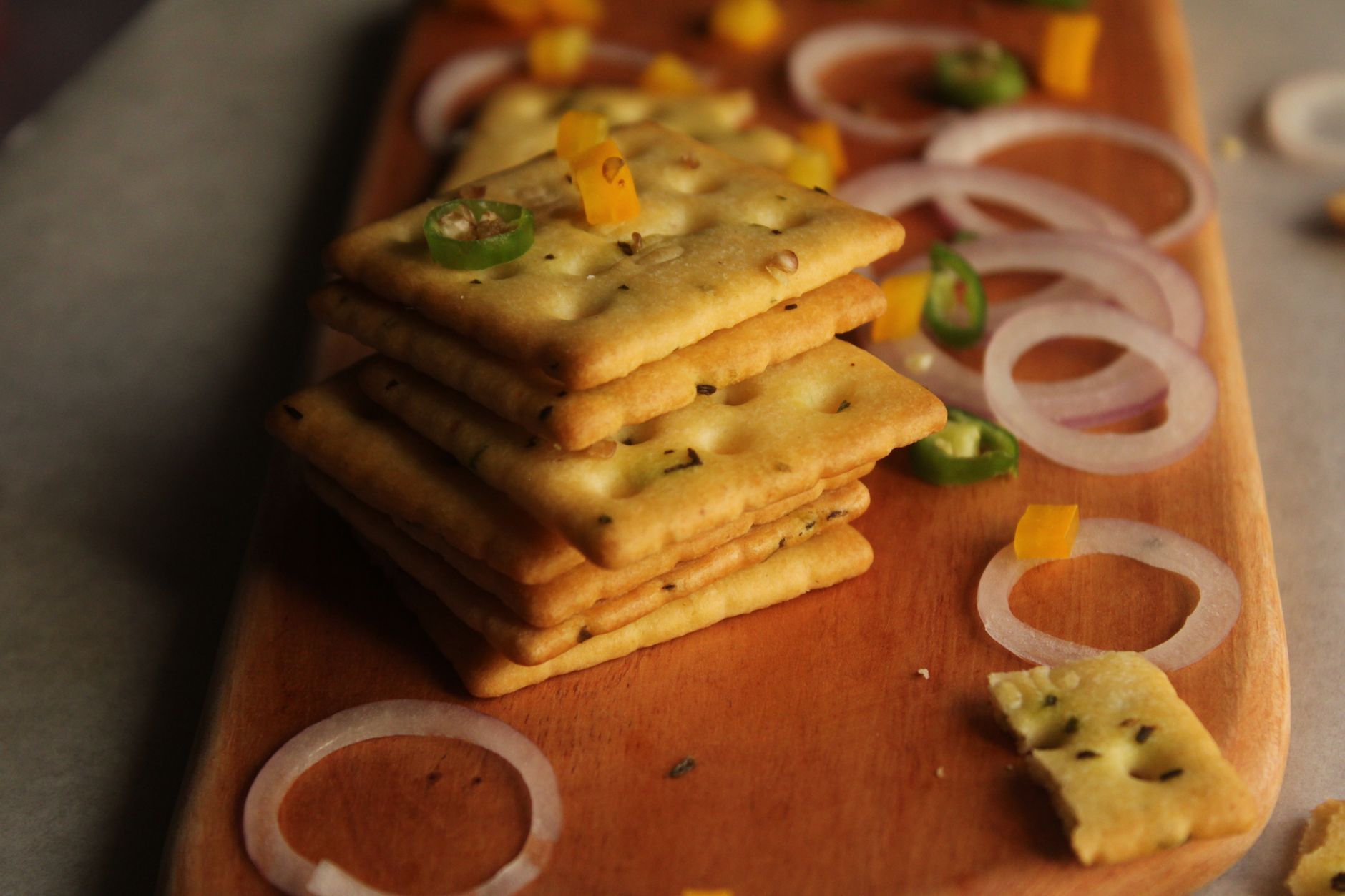
As more individuals are diagnosed with diabetes, understanding food choices becomes increasingly important. One common snack that might be questioned is crackers. Can diabetics enjoy these crunchy delights? The answer is nuanced, taking into account factors like ingredients, serving sizes, and overall dietary patterns.
In this article, we’ll explore whether diabetics can eat crackers, the types to consider, what to look for on labels, and how you can incorporate them into a balanced diet. Let’s break down the facts and considerations.
Can Diabetics Eat Crackers?
Yes, diabetics can eat crackers, but it requires careful selection and portion control. Whole grain or high-fiber options are typically recommended, while low-carb or gluten-free crackers may also be suitable. It’s crucial to monitor carbohydrate intake and choose products that align with individual dietary plans.
Understanding Carbohydrates in Crackers
Crackers are primarily made from grains, which are a source of carbohydrates. Carbohydrates have a direct impact on blood sugar levels, making it essential to understand their types and effects.
The Role of Carbohydrates
Carbohydrates are divided into two main categories: simple and complex. Simple carbohydrates, found in foods like sugar and white flour, are digested quickly and can spike blood sugar levels. In contrast, complex carbohydrates, typically found in whole grains, digest more slowly and are less likely to cause sharp increases in blood sugar.
Choosing the Right Crackers
When selecting crackers, focus on those with whole grains, high fiber content, and minimal added sugars. Here’s what to look for:
- Whole Grain: Look for crackers made with whole grain flours rather than refined flours.
- Fiber Content: Opt for crackers that contain at least 3 grams of fiber per serving, as fiber helps slow digestion and can aid in blood sugar control.
- Ingredients: Check labels for added sugars, preservatives, and unhealthy fats, avoiding those that are heavily processed.
Portion Sizes Matter
Portion control is crucial when eating crackers. Even healthier options can lead to blood sugar spikes if consumed in large quantities. Consider these tips for portion sizes:
- Stick to one serving size, as indicated on the packaging. Common serving sizes range from about 5 to 14 crackers, depending on the type.
- Pair crackers with a source of protein or healthy fat, like cheese or hummus, to balance the meal and slow the absorption of sugars.
- Be mindful of snacks throughout the day; graze on crackers slowly rather than consuming a whole package at once.
Types of Crackers Suitable for Diabetics
There are various cracker options available, some of which fit better into a diabetic-friendly diet than others.
Whole Grain Crackers
Whole grain crackers incorporate the entire grain, providing more nutrients and fiber. Look for options made from brown rice, whole wheat, or oats. These types tend to have a lower glycemic index than their refined counterparts.
High Fiber Crackers
Crackers enriched with fiber help maintain stable blood sugar levels. Flaxseed or chia seed crackers are excellent choices due to their high omega-3 fatty acids and soluble fiber content.
Seed and Nut Crackers
Seed or nut-based crackers are a great alternative, as they tend to be lower in carbs. They often contain healthy fats and protein, contributing to satiety and stable blood sugar levels.
Gluten-Free Crackers
For those with sensitivities or celiac disease, gluten-free crackers made from ingredients like almond or coconut flour can be suitable alternatives. However, it’s essential to read labels to ensure they are not high in sugars or unhealthy additives.
Homemade Cracker Options
Making your own crackers can ensure total control over the ingredients, making them a great option for diabetics. Here’s how you can create your own healthy crackers at home.
Basic Whole Grain Crackers Recipe
This simple recipe yields about 12 crackers in approximately 30 minutes, perfect for a healthier snack option.
Ingredients
- 1 cup whole wheat flour
- 1 tablespoon olive oil
- 1/2 teaspoon salt
- 1/4 cup water (adjust as necessary)
- Optional: herbs or spices for flavor (like garlic powder or rosemary)
Essential Equipment
- Baking sheets
- Parchment paper
- Rolling pin
- Knife or pizza cutter
- Mixing bowl
Method
- Preheat your oven to 400°F (200°C).
- In a mixing bowl, combine whole wheat flour and salt.
- Add olive oil and water; mix until a cohesive dough forms. Add more water if dry.
- On a floured surface, roll out the dough to about 1/8 inch thick.
- Cut the dough into crackers using a knife or pizza cutter, and place them on a baking sheet lined with parchment paper.
- Bake for about 10-12 minutes, or until golden brown and crispy.
- Allow to cool before enjoying.
Storage and Make-Ahead Tips
Storing crackers properly helps retain their freshness and crunch. Here are some tips:
- Store in an airtight container at room temperature for up to one week.
- For longer storage, consider placing crackers in the freezer in a sealed bag. Just remember to defrost before serving.
- When making ahead, prepare various types and flavors to keep snack times exciting.
Common Mistakes to Avoid
Understanding what to look out for can enhance the enjoyment of crackers for diabetics. Avoid these common pitfalls:
Ignoring Portion Sizes
Many people underestimate how quickly portions can add up. Measure out serving sizes rather than eating directly from the package to avoid overeating.
Choosing Low-Fat Options
Some low-fat crackers may compensate with added sugars or refined grains. Always read the ingredients and nutrition labels, focusing on whole ingredients rather than calorie content.
Relying on Labels Alone
Marketing claims like “healthy” don’t always correlate with quality. Look beyond labels, analyzing the ingredients and nutritional profiles of products.
Cracker Pairing Ideas
Pairing crackers with healthy foods can transform them into more balanced snacks. Here are some ideas:
Protein Pairings
- Hummus: A legume-based dip rich in fiber and protein.
- Nut butters: Peanut, almond, or cashew butter provide healthy fats.
- Cream cheese or cottage cheese: These add creaminess and protein.
Vegetable Pairings
- Fresh slices of veggies: Bell peppers, cucumbers, or cherry tomatoes offer crunch and nutrients.
- Guacamole: Healthy fats and fiber make this a delicious spread.
- Pesto: A flavorful alternative that pairs well with whole grain crackers.
Healthy Fat Pairings
- Avocado slices: Creamy and nutrient-dense, they work wonderfully with crackers.
- Olives: Packed with healthy fats and great for adding flavor.
- Cheese: Stick to lactose-free or lower-fat varieties if necessary.
Diet Considerations for Diabetics
Ultimately, a diabetes-friendly diet focuses on balanced eating and regular monitoring of blood sugar levels. Here are some dietary principles:
Balanced Meals
Ensure meals include a combination of proteins, healthy fats, and carbohydrates. This helps in maintaining stable blood sugar levels.
Regular Monitoring
Testing blood sugar levels regularly allows for adjusting food intake, including snacks like crackers. Keeping a food diary can also help in understanding how different foods affect blood sugar.
Consult with a Dietitian
A healthcare professional can provide personalized advice based on caloric needs, activity levels, and dietary preferences. They can offer further insights on suitable snacks and portion control.
Utilizing Crackers as Part of a Snack Strategy
There is no one-size-fits-all approach to nutrition, especially when it comes to diabetes management. Incorporating crackers into daily life can be done smartly with planning.
Developing Snack Plans
- Create snack boxes with portion-controlled servings of crackers and pairings.
- Experiment with different cracker options to discover personal favorites.
- Keep track of how various snacks affect blood sugar levels to refine selections over time.
Meal Prepping with Crackers
Prepare portions in advance, making it easier and more convenient to grab a snack without reaching for a less nutritious option.
Conclusion
Crackers can certainly have a place in a diabetic diet, provided that the individual makes informed choices about the type, portion size, and overall meal balance. By opting for whole grain, high fiber, or homemade options, pairing them wisely, and monitoring their effects on blood sugar, diabetics can enjoy crackers as part of a balanced diet.
For more delightful snack ideas, consider exploring our saltine cracker recipe or check out our oyster cracker snack recipe for creative options to elevate your snacking experience.