
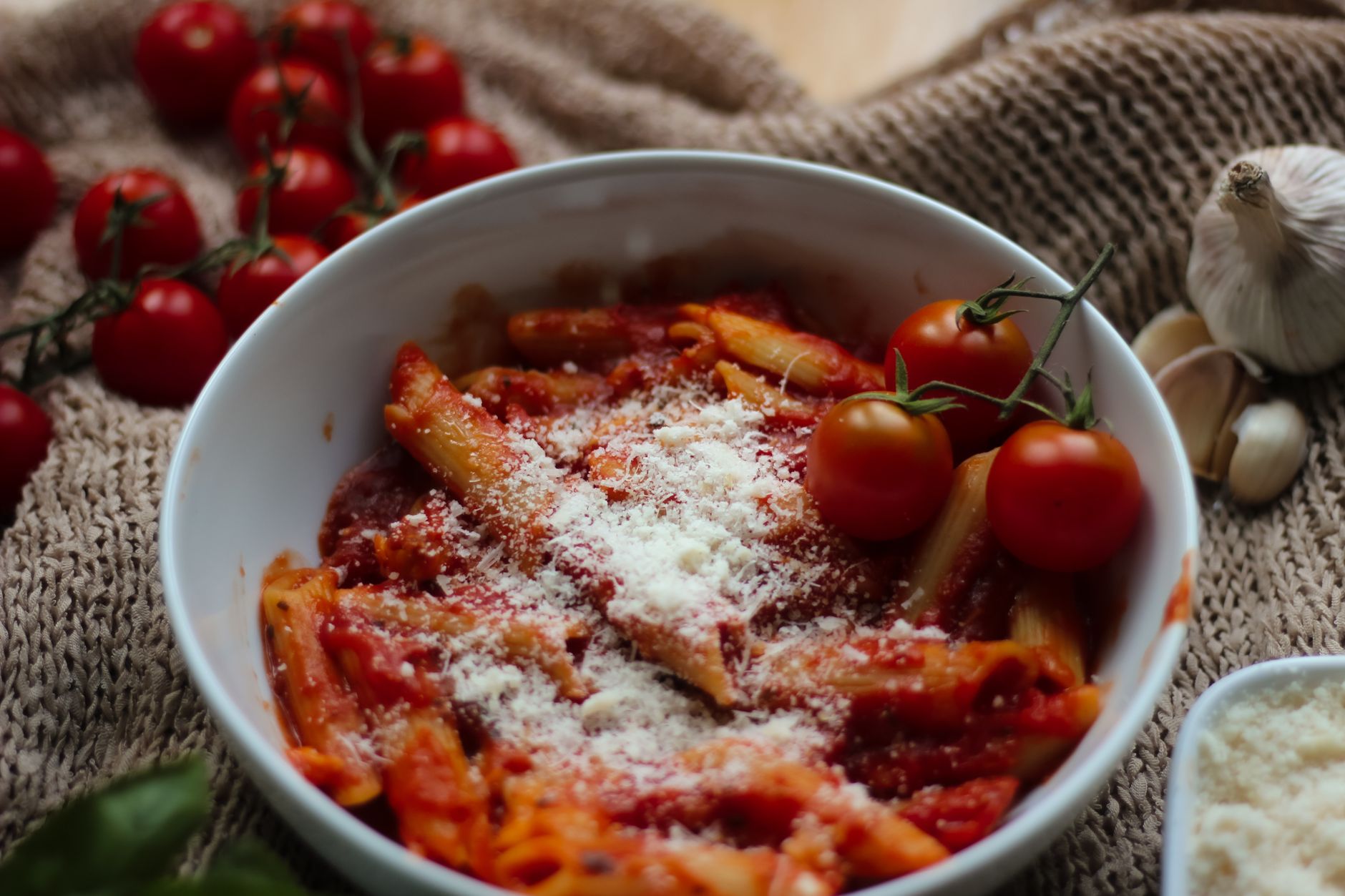
Vodka sauce is a popular pasta sauce known for its creamy, rich flavor and subtle hint of spice. Many people enjoy it with penne pasta, but a common question arises regarding its composition: is vodka sauce alcoholic? Understanding the ingredients and cooking process can shed light on whether this dish retains any alcohol content.
In this article, we will explore the components of vodka sauce, its alcohol by volume (ABV), serving suggestions, and whether it’s suitable for all occasions. We’ll also delve into its preparation and common inquiries surrounding this beloved sauce.
Is Vodka Sauce Alcoholic?
Vodka sauce typically contains vodka as a primary ingredient, but most recipes involve cooking the sauce, which significantly reduces the alcohol content. If prepared properly, vodka sauce may not retain any significant alcohol, making it suitable for a wider audience.
Understanding the Ingredients of Vodka Sauce
To better understand whether vodka sauce is alcoholic, it’s essential to break down its usual components. Vodka sauce generally includes:
- Vodka: The key ingredient from which the sauce gets its name.
- Canned tomatoes: Provides the sauce with body and acidity.
- Heavy cream: Adds richness and a smooth, creamy texture.
- Onions and garlic: These aromatics enhance the flavor profile.
- Parmesan cheese: Adds a salty, nutty element to the sauce.
- Red pepper flakes: Introduces a hint of heat.
- Olive oil or butter: Used for sautéing the onions and garlic.
How Cooking Affects Alcohol Content
When vodka is cooked, its alcohol content diminishes due to evaporation. The degree to which alcohol cooks off depends on the cooking time and method. Here’s a breakdown:
- Cooking for 15 minutes: Approximately 40% of alcohol remains.
- Cooking for 30 minutes: Around 35% of alcohol remains.
- Cooking for one hour: Approximately 25% of alcohol remains.
- Cooking for two hours: About 10% remains.
- Cooking for three hours or more: Alcohol levels are typically very low, often negligible.
Thus, if the vodka sauce simmers for at least 30 minutes, most of the alcohol will likely evaporate. In practical preparation, it’s often cooked significantly longer, reducing the ABV to an acceptable level for most diets.
Preparing Vodka Sauce: A Step-by-Step Guide
To make your own vodka sauce, follow this step-by-step guide that includes basic measurements and techniques:
Ingredients
- 2 tablespoons olive oil or butter
- 1 medium onion, finely chopped
- 2 cloves garlic, minced
- 1 cup vodka
- 1 can (28 ounces) crushed or pureed tomatoes
- 1 cup heavy cream
- Salt and pepper to taste
- 1/2 cup grated Parmesan cheese
- Pinch of red pepper flakes (optional)
Equipment Needed
- Large skillet or saucepan
- Wooden spoon or spatula
- Measuring cups and spoons
- Knife and cutting board
- Serving dish
Method
- Heat olive oil or butter in a large skillet over medium heat.
- Add the chopped onions and sauté until translucent, about 5 minutes.
- Stir in the minced garlic and cook for an additional minute until fragrant.
- Pour in the vodka and let it simmer for about 5 minutes to allow the alcohol to reduce.
- Add the canned tomatoes and stir well. Bring to a gentle simmer.
- Lower the heat and add the heavy cream. Mix until combined and smooth.
- Season the sauce with salt, pepper, and red pepper flakes, if using.
- Let the sauce simmer on low for at least 30 minutes, stirring occasionally.
- Stir in the grated Parmesan cheese until melted.
- Serve hot over your favorite pasta.
Serving Suggestions
Vodka sauce is incredibly versatile and pairs well with many dishes. Here are some suggestions:
- Pasta: Traditionally served with penne, but it can also accompany spaghetti, fettuccine, or rigatoni.
- Meatballs: Serve vodka sauce over meatballs for a hearty meal.
- Pizza: Use vodka sauce as a pizza base, topped with mozzarella and your favorite toppings.
- Vegetables: Toss sautéed vegetables in the sauce for a creamy side dish or a vegetarian pasta.
Common Questions About Vodka Sauce
Can you make vodka sauce without alcohol?
Yes, vodka sauce can be made without alcohol. To replace vodka, use vegetable or chicken broth. While the flavor will differ, it can still create a delicious and creamy sauce.
Is there a non-dairy version of vodka sauce?
Yes, to create a non-dairy vodka sauce, substitute the heavy cream for coconut cream, cashew cream, or a non-dairy milk alternative mixed with a thickening agent like cornstarch. These alternatives will slightly alter the flavor but provide a similar creamy texture.
Can vodka sauce be frozen?
Vodka sauce can be frozen, but the cream may separate upon thawing. To combat this, consider undercooking the cream before freezing it, then adding fresh cream when reheating.
Storing and Reheating Vodka Sauce
If you have leftover vodka sauce, proper storage is key to maintaining its quality. Follow these guidelines:
- Cool the sauce completely before storing it in an airtight container.
- Refrigerate for up to 3-5 days or freeze for up to 3 months.
- To reheat, gently warm the sauce on the stovetop over low heat, stirring consistently. Add a splash of milk or cream to restore its creaminess if needed.
Common Mistakes When Making Vodka Sauce
A few common mistakes can impact the flavor and consistency of your vodka sauce:
- Using too much vodka: An excessive amount can lead to an overpowering flavor; stick to recommended measurements.
- Not allowing enough cooking time: The alcohol must simmer to evaporate; rushing can leave an unbalanced taste.
- Skipping the cheese: Parmesan not only adds flavor but helps thicken the sauce.
Variations and Substitutions
Vodka sauce can be customized in numerous ways, depending on your preferences:
- Add proteins: Incorporate cooked shrimp, chicken, or sausage for a heartier dish.
- Spice it up: Experiment with different herbs and spices like basil, oregano, or thyme to enhance flavor.
- Change the cream: For a lighter version, substitute heavy cream with half-and-half or Greek yogurt (add it at the end to avoid curdling).
Summary of Vodka Sauce
Vodka sauce is a creamy, flavorful pasta sauce that typically contains vodka, though much of the alcohol cooks off during preparation. Suitable for various dishes beyond pasta, it offers multiple possibilities for substitutions and variations. The key to preparing a delightful vodka sauce is ensuring it cooks long enough to reduce any alcohol content while allowing the flavors to meld beautifully.
If you want to try your hand at cocktails or explore different sauces, check out our vodka collins recipe or our mezcalita recipe for some refreshing ideas.