
Osteoporosis is a condition characterized by weakened bones and an increased risk of fractures. Diet plays a pivotal role in managing bone health, and certain foods can exacerbate bone loss or hinder calcium absorption. This article explores what to avoid if you have osteoporosis, providing valuable insights into maintaining a bone-friendly diet.
By understanding the impact of certain foods on your bone health, you can make informed dietary choices that support your well-being. From excessive sodium to the hidden dangers of certain beverages, we’ll cover the key items to steer clear of.
What Not To Eat If You Have Osteoporosis?
If you have osteoporosis, it’s crucial to avoid foods and beverages that can negatively affect your bone density. Some of these foods can contribute to increased bone loss, while others can inhibit calcium absorption. Here are the main categories to consider.
1. High-Sodium Foods
Foods high in sodium can lead to increased calcium excretion through urine. When your body expels more calcium than it retains, it can weaken bones over time. That’s why it’s important to limit your intake of high-sodium foods.
Foods to Avoid
- Processed meats such as bacon, ham, and deli meats
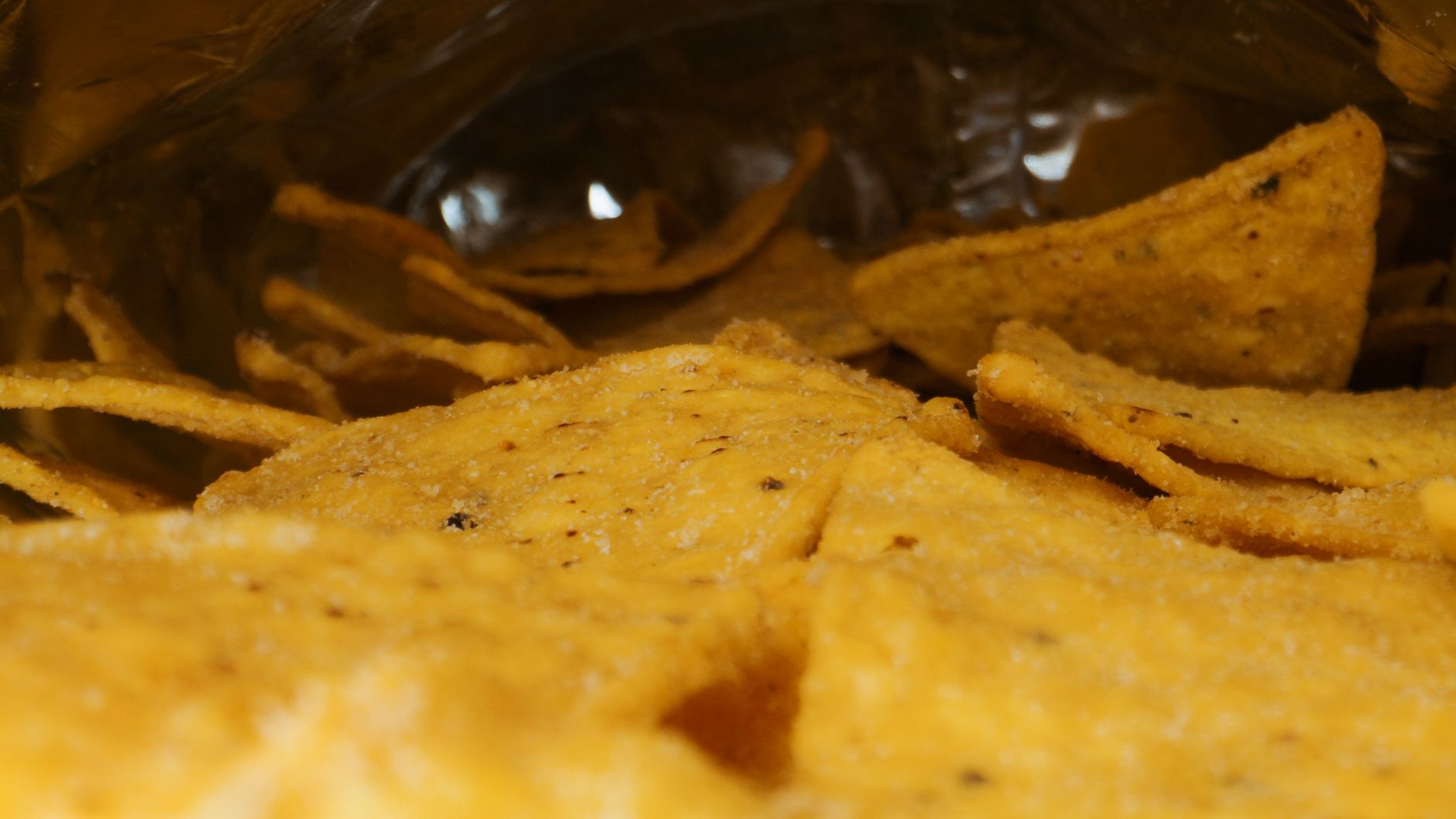
- Snack foods including chips, pretzels, and popcorn with added salt
- Canned soups and sauces that often contain high sodium levels
- Fast food items, which generally have added salt for flavor
Tips for Reducing Sodium Intake
- Choose fresh or frozen vegetables instead of canned ones.
- Opt for low-sodium or no-salt-added versions of products when possible.
- Use herbs and spices for flavoring instead of salt.
- Read nutrition labels to keep sodium consumption in check.
2. Excessive Protein
While protein is essential for overall health, too much can contribute to bone loss because it can lead to increased acid production in the body. This acidity may result in calcium being leached from the bones.
Animal Protein vs. Plant Protein
Animal protein sources, like red meat and dairy, are typically higher in protein compared to plant sources. However, they can also pose a higher risk if consumed excessively.
Recommendations
- Limit red meat consumption; aim for lean meats and fish instead.
- Incorporate plant-based protein sources such as beans, lentils, and legumes.
- Balance your weekly intake of protein with ample vegetables and whole grains.
3. High-Caffeine Beverages
Consumption of caffeine in moderation is generally not harmful for most people, but excessive caffeine intake has been linked to decreased calcium absorption. This is particularly concerning for people with osteoporosis.
Common Caffeinated Beverages
- Coffee
- Energy drinks
- Caffeinated sodas
- Certain teas
Moderation is Key
It’s advisable to limit caffeine intake to no more than 300 mg per day, roughly the equivalent of three 8-ounce cups of coffee. If you do consume caffeine, pair it with calcium-rich foods.
4. Alcohol
Excessive alcohol consumption can interfere with calcium absorption and affect bone density. It also affects hormones that are crucial for bone formation.
Guidelines for Alcohol Consumption
- If you drink, limit intake to no more than one drink per day for women and two for men.
- Choose options such as wine over more potent liquors to reduce intake.
- Stay hydrated with water or non-caffeinated beverages on days when consuming alcohol.
5. Soft Drinks
Colas and other carbonated soft drinks often contain high amounts of phosphoric acid, which may negatively impact bone density when consumed excessively. The high sugar content can also lead to weight gain, placing extra stress on bones.
Alternatives to Soft Drinks
- Opt for sparkling water flavored with lemon or lime.
- Try herbal teas or low-fat milk as alternatives.
- Limit or eliminate soda consumption altogether.
6. Foods High in Oxalates and Phytates
Some foods contain compounds known as oxalates and phytates that can inhibit calcium absorption. These are found in various plant foods and can interfere with the amount of calcium your body can extract from your diet.
Common Foods High in Oxalates
- Spinach
- Rhubarb
- Beets
- Swiss chard
Common Foods High in Phytates
- Whole grains such as wheat bran and barley
- Legumes like beans and lentils
- Nuts and seeds, particularly in large amounts
Balancing Your Diet
While it’s not necessary to eliminate these foods entirely, you should consume them in moderation. Cooking methods, such as soaking or roasting, can reduce their oxalate and phytate levels, allowing for better calcium absorption.
7. Foods Containing High Levels of Sugar
High-sugar foods can lead to various health issues, including weight gain, which can negatively impact bone health. Additionally, excessive sugar can lead to chronic inflammation in the body, further affecting bones.
Types of Foods to Limit
- Confectionery, including candies and chocolates
- Baked goods like cakes, cookies, and pastries
- Sugary cereals
- Sodas and sweetened beverages
Healthier Options
- Choose fresh fruits for natural sweetness.
- Opt for whole grains that typically have lower sugar contents.
- Experiment with spices such as cinnamon or vanilla to sweeten foods naturally.
8. High-Fat Foods
Trans fats and saturated fats can contribute to inflammation and have been linked with a decrease in bone density. These fats are often found in processed snack foods.
Foods to Avoid
- Fried foods, such as french fries and doughnuts
- Packaged snacks like cookies and crackers
- Fatty cuts of meat and full-fat dairy products
Better Fats to Consider
Focus on incorporating healthy fats into your diet, such as those from sources like fish, nuts, seeds, and avocados. These are beneficial for overall health and bone strength.
9. Certain Types of Fish
While fish is generally considered beneficial for bone health, certain types can contain high levels of mercury, which may negatively affect bone density. Regular exposure to mercury can have harmful effects on overall health.
Fish to Limit or Avoid
- Shark
- King mackerel
- Tilefish
- Swordfish
Safer Alternatives
- Salmon
- Herring
- Sardines
- Trout
10. Processed Food Items
Processed foods are often loaded with preservatives and additives that may negatively affect bone health. These foods usually contain high levels of sodium, sugars, and unhealthy fats.
Items to Watch Out For
- Frozen meals that often contain preservatives
- Packaged snacks that have added sugars and unhealthy fats
- Crossover items like granola bars that are marketed as healthy but contain harmful ingredients
Choosing Whole Foods
- Focus on whole, unprocessed foods for your meals.
- Cook in bulk and freeze homemade meals to avoid the temptation of processed options.
- Plan meals that incorporate fresh ingredients whenever possible.
Conclusion
Navigating dietary choices can be challenging, especially for those who are managing osteoporosis. By avoiding high-sodium foods, excessive proteins, caffeine, alcohol, and a variety of other items, you can significantly impact your overall bone health. Maintaining a balanced diet rich in calcium and vitamin D, alongside regular exercise, is crucial for managing osteoporosis effectively.
As you continue to explore dietary options, remember to consult with healthcare professionals or registered dietitians for personalized advice. For a well-rounded approach to meals, consider exploring sections on meal planning, balancing meals with calcium-rich foods, and even preparing healthy snacks.
Explore related cooking tips, food guides, or meal plans to enhance your dietary knowledge. It’s important to learn how to cook with beneficial ingredients effectively while still enjoying your food.