
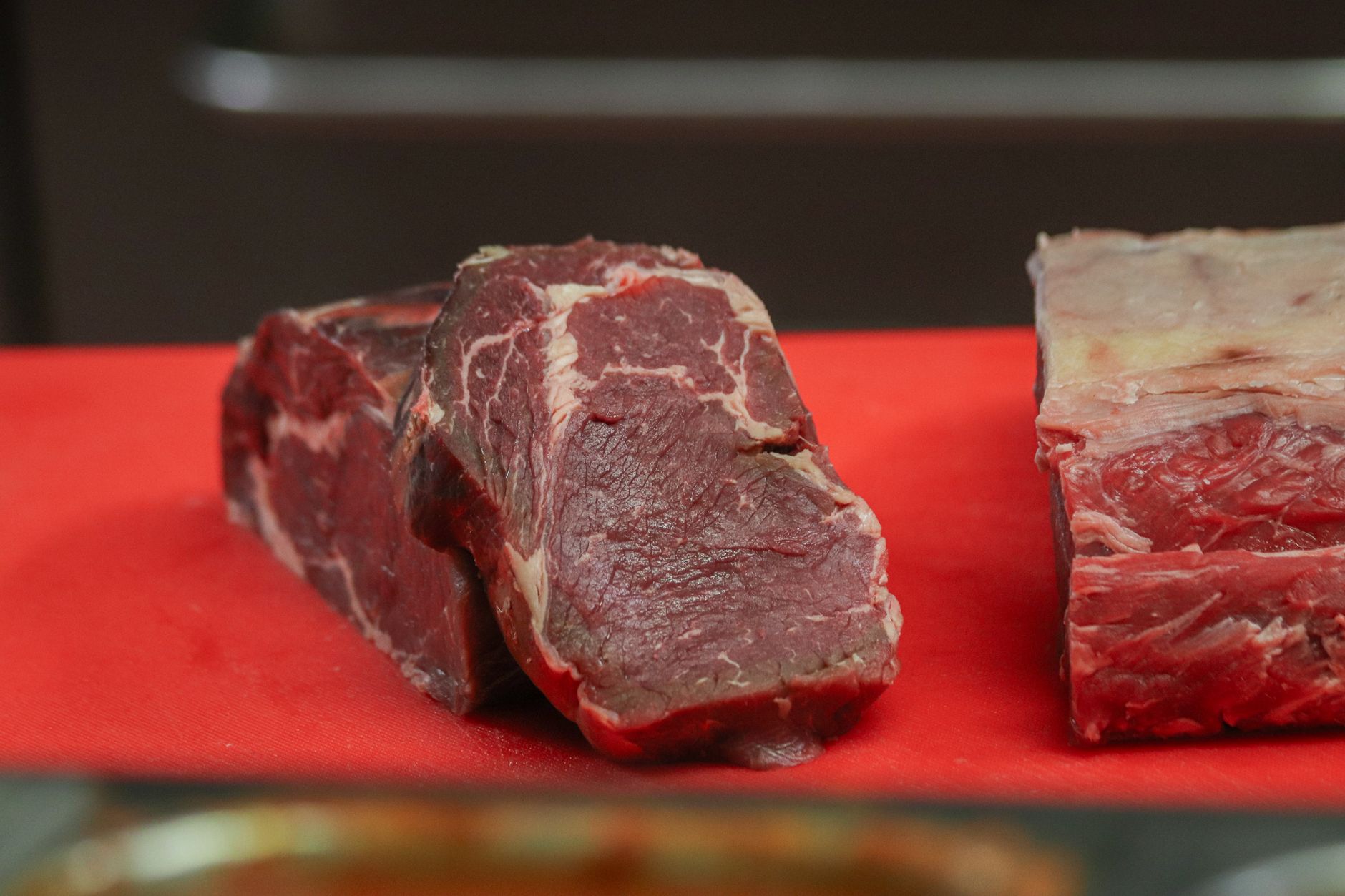
Ensuring the safety of the meat you consume is essential for your health and well-being. Spoiled meat poses serious health risks and can lead to foodborne illnesses. Understanding what spoiled meat looks like can help you avoid potential risks. This guide will provide clear signs of spoilage, safe storage practices, and food safety tips.
From color changes to unpleasant smells, this article will cover everything you need to know to keep your meals safe and enjoyable. Let’s dive into the details about recognizing spoiled meat and how to handle it properly.
What Does Spoiled Meat Look Like?
Spoiled meat can exhibit various visual and olfactory signs that indicate it is no longer safe for consumption. Key indicators include discoloration, off-putting smells, a slimy texture, and the presence of mold. Understanding these factors is essential for making informed decisions about meat quality.
Common Signs of Spoiled Meat
When assessing meat quality, look for the following signs:
- Discoloration: Fresh meat typically has a vibrant color: bright red for beef, pink for pork, and pale pink for poultry. Spoiled meat often turns dull or greyish and may develop brown or green hues.
- Unpleasant Odor: One of the most distinct signs of spoilage is a foul smell. Fresh meat has a mild, metallic scent. In contrast, spoiled meat emits a strong, rancid, or sour odor that signals it should not be eaten.
- Texture Changes: Fresh meat feels firm and moist. Spoiled meat may become slimy or sticky, making it unappealing and unsafe to consume.
- Mold Growth: The presence of mold, typically white, green, or black, is a clear indicator of spoilage. Any meat that shows signs of mold should be discarded immediately.
Different Types of Meat and Their Signs of Spoilage
While the basics of spoilage detection are similar across all meats, there are specific factors to consider for different types:
Beef
- Fresh beef should be a deep red color. Spoilage is often indicated by a brown or grey color, which can mean oxidation.
- Check for a slimy surface. Spoiled beef may appear wet and ooze fluids, which indicates the presence of bacteria.
Pork
- Pork is usually pinkish when fresh, but a greyish or dull color suggests spoilage.
- A significant change in odor is also a strong indicator that pork has gone bad, particularly if it smells sour.
Poultry
- Chicken and turkey should have a light pink color. Any shades of yellow or green indicate that the meat has spoiled.
- The texture is crucial; fresh poultry feels moist but not slimy.
Fish
- Fresh fish should have translucent, shiny scales and a mild scent. Look for dull skin and a strong fishy odor as signs of spoilage.
- Fish should be firm; if it feels mushy or has a slimy coating, it is best to discard it.
Storage Tips to Prevent Spoilage
Proper storage techniques are crucial to maximizing the freshness of meat. By following these guidelines, you can significantly delay spoilage and ensure food safety:
Refrigeration Guidelines
- Store raw meat in the coldest section of your refrigerator, typically at or below 40°F (4°C).
- Keep meat in its original packaging, or rewrap it tightly in plastic wrap or aluminum foil to minimize exposure to air.
- Always place meat on a plate or tray to catch any juices that may leak and prevent cross-contamination with other foods.
Freezing Guidelines
- If storing meat long-term, freezing is the best method. Keep your freezer at or below 0°F (-18°C).
- Wrap meat tightly in freezer-safe bags or vacuum-sealed containers to avoid freezer burn.
- Label your packages with the date, so you can keep track of how long they have been stored.
Thawing Meat Safely
Knowing how to thaw meat safely is essential to prevent spoilage. Here are safe methods:
- Refrigerator Thawing: This is the safest method. Place meat in the refrigerator the night before you plan to cook it.
- Cold Water Thawing: If in a hurry, submerge meat in its packaging in cold water, changing the water every 30 minutes.
- Microwave Thawing: Use the defrost function, but cook the meat immediately afterward, as some areas may start to cook during this method.
Understanding Food Safety Markers
In addition to visual inspection, various markers can indicate meat freshness and safety:
Expiration Dates
- Always check expiration dates on meat products. Use-by dates are vital for ensuring freshness.
- Cooked meats typically last 3-4 days in the refrigerator, while raw meat should ideally be used within a few days of purchase.
Color Changes
As mentioned, slight color changes may not always indicate spoilage. Oxidation of the surface may occur without making the meat unsafe. However, substantial changes, particularly those accompanied by off odors, warrant caution.
Common Mistakes to Avoid With Meat Storage
While it is essential to know what spoiled meat looks like, avoiding common mistakes that compromise meat freshness is equally important.
Improper Temperature Management
- Always use a thermometer to monitor the temperature of your refrigerator and freezer. Do not rely solely on the settings.
- Keep the refrigerator door closed as much as possible to maintain a consistent temperature.
Neglecting Cross-Contamination
- Try to keep raw meat on a separate shelf or in a designated area away from ready-to-eat foods, like vegetables and bread.
- Use separate cutting boards and utensils for raw meat and other foods.
When in Doubt, Throw it Out
Practicing proper food safety measures is vital, but there may be times when you doubt the quality of your meat. If you notice any signs of spoilage, it’s best to err on the side of caution.
Here are three scenarios where you should discard meat:
- Unpleasant odor that intensifies when you get close to the meat.
- Any visible signs of mold or significant texture changes such as stickiness or slime.
- When meat has been stored past its expiration date without proper refrigeration.
Conclusion
Recognizing spoiled meat is crucial for maintaining food safety and preventing foodborne illnesses. By understanding the signs of spoilage, implementing proper storage measures, and adhering to food safety best practices, you can enjoy fresh and safe meals every day. Always remember that when in doubt, it’s better to dispose of potentially spoiled food rather than risk your health.
Explore our guides for more helpful cooking tips and food safety information, such as how long is cooked ground beef good in the fridge or how do you know if chicken is bad.