
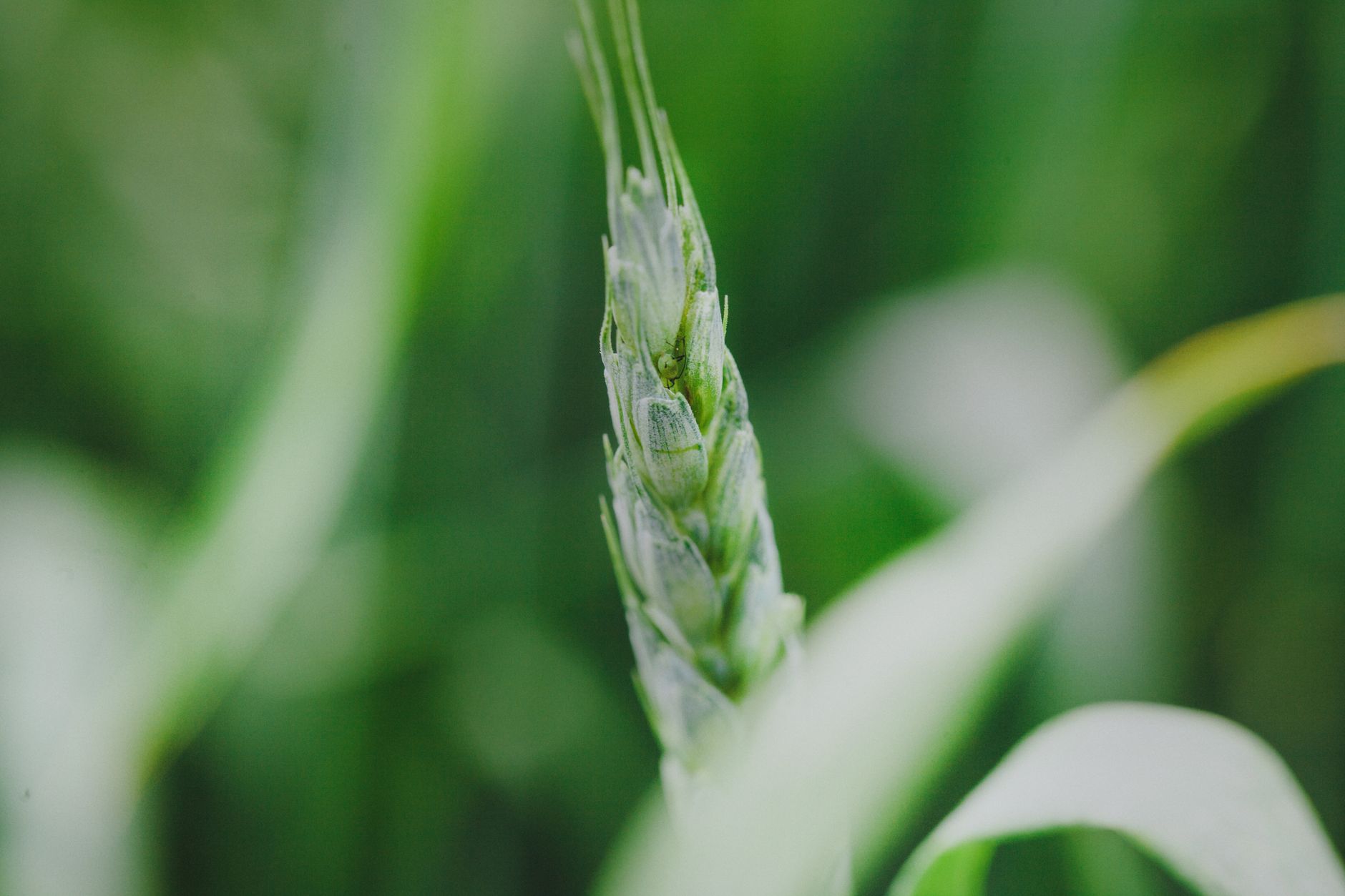
Hydrolyzed wheat protein is a commonly used ingredient in various food products and cosmetic items. If you’re living with celiac disease or a gluten sensitivity, you may be wondering whether this ingredient can safely be included in your diet. This article will delve into what hydrolyzed wheat protein is, its relation to gluten, and how to determine whether it’s safe for your consumption.
As we proceed, we will explore the characteristics of hydrolyzed wheat protein, how it’s processed, and the implications of its gluten content in relation to your dietary needs. Additionally, we will offer helpful guidelines on reading food labels for hydrolyzed wheat protein and suggest alternatives for those seeking gluten-free options.
What is Hydrolyzed Wheat Protein?
Hydrolyzed wheat protein is a protein derived from wheat that has been broken down into smaller peptides through a process called hydrolysis. This process makes it easier for the body to absorb and digest the protein. It is commonly used in a variety of food and cosmetic products for its binding, texturizing, and emulsifying properties.
In food products, hydrolyzed wheat protein can enhance texture, improve moisture retention, and provide a unique flavor profile. In cosmetics and skincare, it serves to strengthen hair and improve skin hydration.
Is Hydrolyzed Wheat Protein Gluten Free?
No, hydrolyzed wheat protein is not gluten-free. Since it is derived from wheat, it contains gluten, which can pose a risk for individuals with celiac disease or gluten sensitivity. Gluten is a protein found in wheat, barley, and rye, and it can trigger harmful reactions in those with specific digestive disorders.
Even though hydrolyzed wheat protein is processed and broken down, it still retains gluten content, making it unsuitable for those needing to follow a strict gluten-free diet.
Understanding Gluten and Celiac Disease
Gluten is a type of protein found in wheat and related grains that gives dough its elasticity and helps it rise. For individuals with celiac disease, consuming gluten results in inflammation and damage to the intestinal lining, leading to serious health issues.
Some individuals might also have non-celiac gluten sensitivity, which can cause various symptoms such as bloating, diarrhea, fatigue, and headaches when gluten is consumed, even though their intestines remain undamaged.
How is Hydrolyzed Wheat Protein Made?
The process of creating hydrolyzed wheat protein involves treating wheat gluten with water and enzyme solutions. This enzymatic treatment breaks down the protein into smaller, more manageable pieces. Depending on the degree of hydrolysis, it can range from partially hydrolyzed to fully hydrolyzed, significantly impacting the final product’s functional properties.
The Role of Hydrolysis in Food Products
Hydrolysis not only alters the physical and functional properties of proteins but also can improve solubility, enhance emulsification, and impact foaming and flavor characteristics. Consequently, hydrolyzed wheat protein is often incorporated into bakery products, sauces, dressings, and meat alternatives.
How to Identify Hydrolyzed Wheat Protein on Food Labels
When shopping for food products, especially if you follow a gluten-free diet, it’s crucial to read ingredient labels carefully. Hydrolyzed wheat protein will typically be listed as:
- Hydrolyzed wheat protein
- Hydrolyzed vegetable protein (if derived from wheat)
- Wheat protein
Beware of products that contain terms like “natural flavors” or “modified food starch,” as they may also lead to gluten exposure if derived from wheat.
Alternatives to Hydrolyzed Wheat Protein
If you need to avoid hydrolyzed wheat protein, numerous gluten-free alternatives can provide similar functionality in cooking and baking.
Common Gluten-Free Protein Alternatives
- Hydrolyzed pea protein: Derived from peas, this is a popular choice for plant-based products.
- Hydrolyzed soy protein: A widely-used alternative, though individuals with soy allergies must proceed with caution.
- Brown rice protein: A hypoallergenic protein source that can easily be incorporated into various dishes.
- Quinoa protein: Packed with essential amino acids, quinoa is a complete protein that can serve as a substitute.
Possible Uses of Hydrolyzed Wheat Protein in Foods
While hydrolyzed wheat protein is unsuitable for gluten-free diets, it is frequently used in various food products, including:
- Baked goods: to enhance texture
- Snack bars: for nutritional value and binding
- Processed meats: to retain moisture
- Dressings and sauces: to improve mouthfeel
Common Food Products Containing Hydrolyzed Wheat Protein
While many products may list hydrolyzed wheat protein, it’s essential to know what types of foods it can commonly be found in:
- Commercial breads
- Protein bars
- Plant-based meat alternatives
- Packaged soups and sauces
- Snack foods, like chips and pretzels
Tips for Gluten-Free Shopping
To help navigate the grocery store while avoiding gluten, consider the following:
- Opt for certified gluten-free products.
- Become familiar with gluten-free substitutes that can replace wheat derivatives.
- Research brands that cater to gluten-free needs.
- Don’t hesitate to reach out to brands directly for clarification about ingredients.
Impact of Cooking and Processing on Hydrolyzed Wheat Protein
Cooking methods and the type of food processing can affect the behavior of hydrolyzed wheat protein. For instance, the protein may contribute to the overall texture and moisture of baked goods but could lead to gummy or dense products in excessive amounts.
In some cooking processes, such as frying or grilling, the protein may also undergo changes that could affect flavor and color. Therefore, understanding how hydrolyzed wheat protein interacts with various cooking methods can enhance your culinary skills.
Frequently Asked Questions About Hydrolyzed Wheat Protein
Can I consume hydrolyzed wheat protein if I have gluten sensitivity?
No, individuals with gluten sensitivity should avoid hydrolyzed wheat protein as it contains gluten that can trigger symptoms.
Are there any products that are completely gluten-free that contain hydrolyzed wheat protein?
It is very unlikely since hydrolyzed wheat protein is derived from wheat, which contains gluten. Always check labels and opt for certified gluten-free products.
Is hydrolyzed plant protein gluten-free?
Yes, if the plant protein is derived from a gluten-free source, such as peas or soy, it is typically gluten-free. Always check for any cross-contamination if you have celiac disease or a severe gluten allergy.
Nutritional Implications of Hydrolyzed Wheat Protein
While hydrolyzed wheat protein contributes protein to a diet, it is essential to determine if it aligns with your dietary goals. The protein content can help contribute to daily requirements; however, it is not a complete protein source as it lacks certain amino acids essential for muscle repair and overall nutrition.
Conclusion
Hydrolyzed wheat protein is not gluten-free, and individuals with celiac disease or gluten sensitivities should avoid it. Understanding how to read labels and identify alternatives can help ensure a safe and enjoyable gluten-free eating experience. Experimenting with alternative protein sources can lead to a diverse and satisfying diet.
For those looking for gluten-free recipes or cooking tips, explore our gluten-free gnocchi recipe and gluten-free waffle recipe to add variety to your meals.