
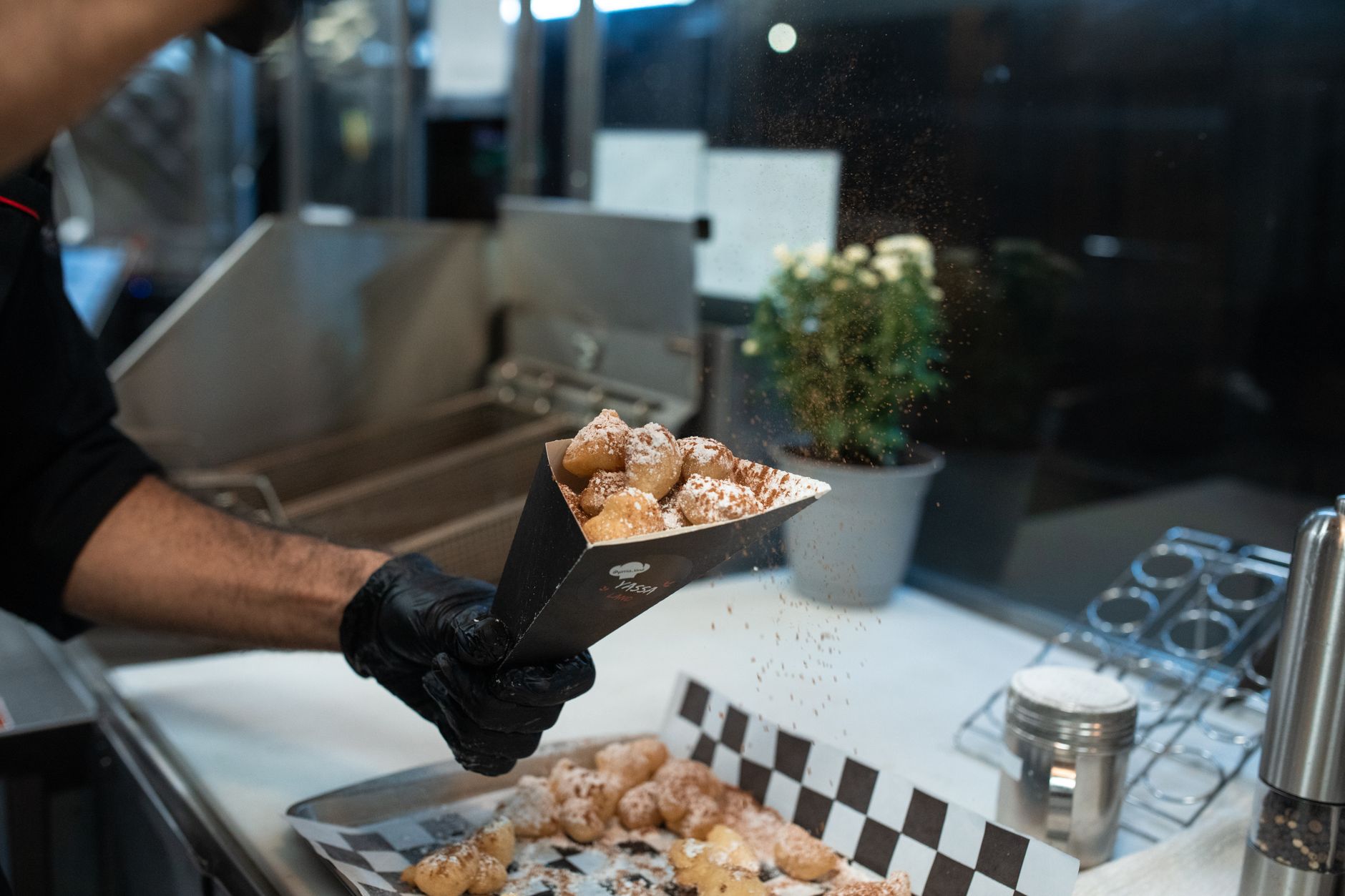
Beignets are delightful French pastries that have captured the hearts of many with their fluffy texture and sweet flavor. Often associated with the vibrant food culture of New Orleans, these tasty treats are crispy on the outside and soft on the inside, making them an irresistible snack or dessert.
Traditionally generously dusted with powdered sugar, beignets can be enjoyed at any time of the day. They pair beautifully with a cup of coffee or hot chocolate, making them a popular choice for breakfast or brunch. Understanding what beignets are, including their ingredients, flavors, and serving suggestions, will enhance your appreciation of this classic pastry.
What Are Beignets?
Beignets are essentially deep-fried dough pastries that are made from a simple mixture of ingredients. They resemble doughnuts but are typically square or rectangular in shape and are known for being extra puffy due to yeast or baking powder in the dough. The name “beignet” itself is derived from the French word for “fritter.” These pastries are most famously linked to the French Quarter of New Orleans, but they have roots in various French-speaking countries.
The dough used for beignets is light and airy, resulting in a delicate crispiness on the outside and a chewy softness on the inside. Often served warm and dusted with powdered sugar, they offer a sweet, buttery flavor that perfectly complements their texture. Beignets are versatile and can be partnered with various fillings or served on their own.
Ingredients for Beignets
To create classic beignets, you need a short list of ingredients. Here’s a breakdown of the essential components:
- All-purpose flour – The base for the beignet dough, providing structure.
- Sugar – Adds sweetness to the dough.
- Yeast – Used to make the dough rise, contributing to the light texture.
- Milk – Provides moisture and flavor.
- Butter – Adds richness and a tender crumb.
- Egg – Binds the ingredients together and adds richness.
- Salt – Enhances the overall flavor.
- Powdered sugar – For dusting the finished beignets.
- Vegetable oil – For frying.
Optional Ingredients and Variations
While the above ingredients form the backbone of traditional beignets, you can explore variations and additions:
- Nutmeg or cinnamon – For added warmth and spice in the dough.
- Vanilla extract – To enhance sweetness and flavor.
- Chocolate or fruit fillings – For a stuffed version of beignets.
- Glazed toppings – Instead of powdered sugar for a different sweet touch.
Flavor Profile of Beignets
Beignets are well-loved for their balanced sweetness and rich, buttery flavor. The dough offers a light yeasty aroma, while the outside becomes irresistibly crispy during frying. When dusted with powdered sugar, the sweetness reaches its peak, providing a delightful contrast to the warm, slightly savory taste of the dough. The lightness of the pastry allows for versatility in flavor, making beignets suitable for both sweet and savory pairings.
How to Serve Beignets
Serving beignets is an essential aspect of their enjoyment. Here are some popular ways to present this delectable treat:
Classic Serving
The traditional way to serve beignets is warm, freshly fried, and dusted generously with powdered sugar. This classic presentation not only looks appealing but also enhances the overall sweetness of the dish, making it perfect for breakfast or dessert.
Pairing with Beverages
Beignets pair wonderfully with various beverages:
- Coffee – Especially café au lait, a New Orleans favorite, where brewed coffee is mixed with steamed milk.
- Hot chocolate – A rich and comforting choice, especially during colder months.
- Milk or smoothies – To balance the sweetness of the beignets.
Adding Fillings or Toppings
If you’re feeling adventurous, consider making stuffed beignets. Popular fillings include:
- Chocolate – Using chocolate ganache or melted chocolate inside.
- Fruit preserves – Raspberry, strawberry, or lemon curd for a refreshing taste.
- Cream cheeses – For a richer bite with a hint of tanginess.
How to Make Beignets
If you’re eager to try making beignets at home, here’s a basic recipe to follow. This will yield approximately 16 beignets.
Preparation Time
- Prep time: 1 hour (including dough rising time)
- Cook time: 30 minutes
- Total time: 1 hour and 30 minutes
Ingredients
- 4 cups all-purpose flour
- 1/2 cup granulated sugar
- 2 1/4 teaspoons active dry yeast
- 1 cup warm milk (about 110°F or 43°C)
- 1/4 cup unsalted butter, melted
- 1 large egg
- 1 teaspoon salt
- Vegetable oil (for frying)
- Powdered sugar (for dusting)
Essential Equipment
- Mixing bowls
- Whisk or electric mixer
- Rolling pin
- Cutting board
- Frying pan or deep fryer
- Slotted spoon or spider strainer
- Paper towels
Method
- In a small bowl, dissolve sugar and yeast in warm milk. Let it sit for about 5–10 minutes until it becomes frothy.
- In a large mixing bowl, combine the flour and salt. Make a well in the center and add the melted butter, egg, and yeast mixture.
- Mix together until a dough forms. Knead the dough on a floured surface for about 5 minutes until smooth and elastic.
- Place the dough in a greased bowl, cover it with a clean cloth, and let it rise in a warm area for about 1 hour or until doubled in size.
- Once risen, punch the dough down and roll it out on a floured surface to about 1/4-inch thick.
- Cut the dough into squares or rectangles, about 2–3 inches in size.
- Heat vegetable oil in a frying pan or deep fryer to 350°F (175°C). Fry beignets in batches for about 2-3 minutes on each side or until golden brown.
- Using a slotted spoon, remove the beignets and place them on paper towels to drain excess oil.
- While warm, dust generously with powdered sugar and serve immediately.
Common Mistakes and Troubleshooting
Making beignets can be straightforward, but avoiding common pitfalls can enhance your success:
- Using cold ingredients: Ensure that your milk is warm (not hot) to activate the yeast properly.
- Under-kneading the dough: Kneading helps develop gluten, leading to a better structure in the beignets.
- Incorrect oil temperature: Too hot a temperature will cook the outside too quickly, leaving the inside raw. Too cool a temperature will result in greasy beignets. Use a thermometer for accuracy.
Storage and Reheating
Fresh beignets are best enjoyed right after frying, but you can store leftovers:
- Store in an airtight container at room temperature for up to 2 days.
- Reheat in a toaster oven or microwave until warm, then dust with powdered sugar again, if desired.
Variations on Beignets
Beignets can be adapted to suit different palates and preferences. Here are a few popular variations:
Chocolate Beignets
Add chocolate pieces or custard filling inside before frying for a treat that embodies every chocolate lover’s dream.
Savory Beignets
Experiment with cheese, herbs, or vegetables for delightful savory beignet options. These work great as appetizers or snacks.
Seasonal Flavors
Consider incorporating spices like nutmeg or pumpkin spice during fall, or strawberry jam for a summer twist. The possibilities are endless!
Conclusion
Beignets are a delightful addition to any pastry repertoire, with their light, fluffy texture and sweet flavor captivating all who try them. You can easily make these delectable treats at home, and with so many variations and serving options, they never get old. Now that you know what beignets are and how to prepare them, why not gather your ingredients and try making them yourself? You may just find a new favorite snack!
Explore more related recipes and cooking tips to enhance your culinary skills and experience! Check out our guides on baking pastries, quick breakfast options, or even more desserts to satisfy your sweet tooth.