
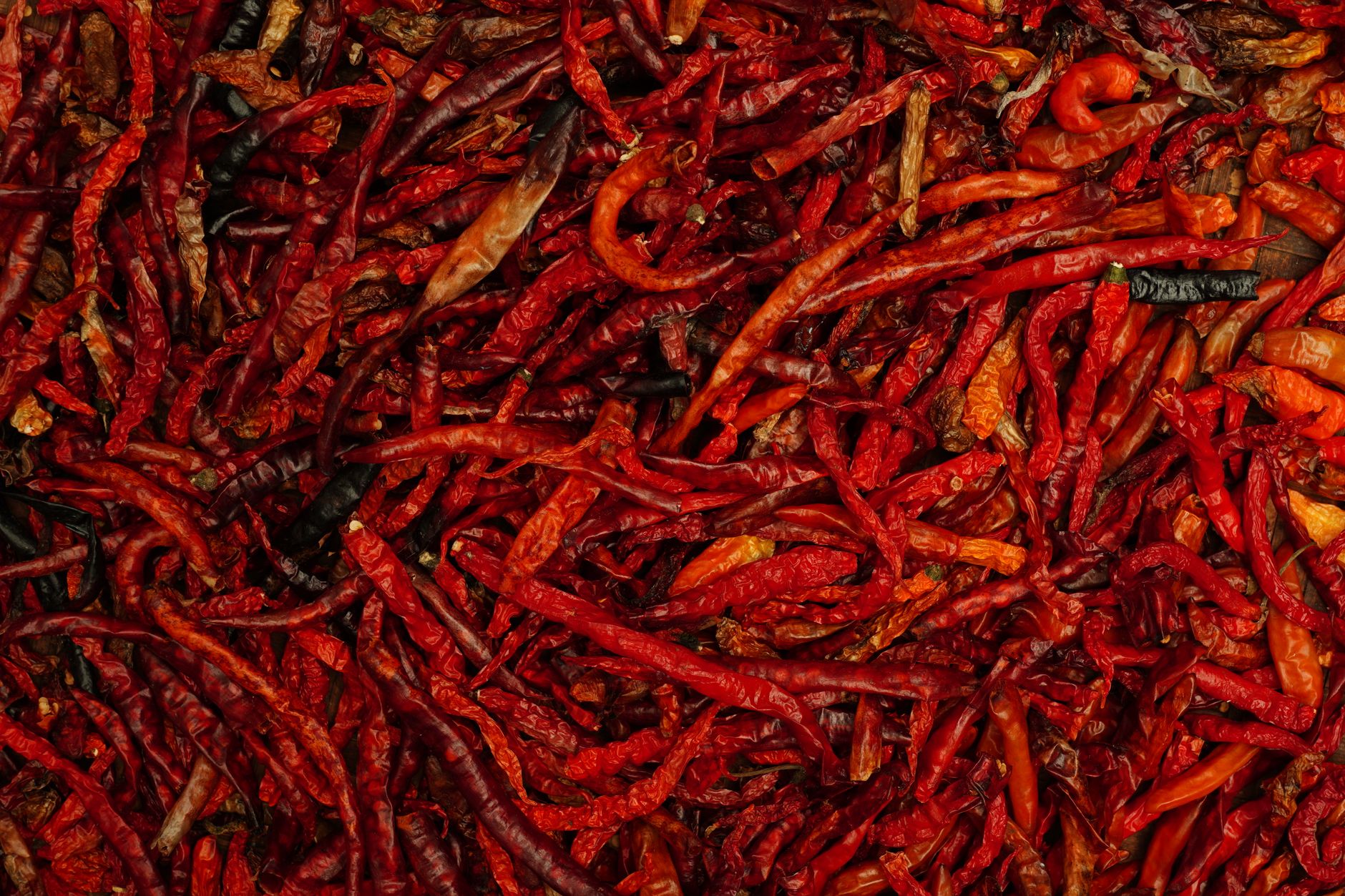
Is paprika the same as cayenne pepper? This is a common question among cooks and food enthusiasts, given that both spices add vibrant color and distinct flavors to dishes. However, while they share some similarities, they are not interchangeable. Understanding their differences can significantly impact your culinary creations.
This article will explore key attributes of paprika and cayenne pepper, such as their flavor profiles, uses in cooking, health benefits, and visual characteristics. We will also discuss how to substitute one for the other and when it makes sense to do so.
Is Paprika the Same as Cayenne Pepper?
No, paprika and cayenne pepper are not the same. Paprika is a spice made from dried and ground sweet or mild peppers, while cayenne pepper comes from specifically spicy chili peppers. Their flavor, heat level, and culinary uses vary significantly, making them best suited for different types of dishes.
Understanding Paprika
Paprika is a popular spice derived from ground bell peppers and other varieties of Capsicum annuum. It comes in various types, and the flavor can range from mild and sweet to hot and smoky. Here are the main types of paprika:
- Sweet Paprika: This is the most common type, often used in dishes for its mild flavor and vibrant color.
- Smoked Paprika (Pimentón): This variety is made from peppers that are smoked before grinding, imparting a rich, smoky flavor to dishes.
- Hot Paprika: Made from spicier varieties of peppers, this is used when a more significant heat is desired.
Flavor Profile and Uses
The flavor profile of paprika is primarily mild with a hint of sweetness, although smoked variants bring a deeper, woodsy flavor. It is commonly used in:
- Stews and Soups: Adds color and a subtle depth of flavor.
- Meat Rubs: Enhances the flavor palette in marinades and rubs.
- Dips and Sauces: Frequently used in dishes like hummus and aioli for color and taste.
Health Benefits
Paprika is not just a flavorful spice; it also offers health benefits. It contains vitamins A, C, and E, along with antioxidant properties. These nutrients can help reduce inflammation, boost your immune system, and support eye health.
Understanding Cayenne Pepper
Cayenne pepper is made from the Capsicum annuum species, specifically the cayenne chili. The spice is ground from the dried fruit of the chili and is known for its intense heat. Its vibrant red color is immediately recognizable.
Flavor Profile and Uses
Cayenne pepper has a fiery flavor that can heat up dishes significantly. It is often used in:
- Spicy Dishes: Common in various cuisines, including Mexican, Thai, and Indian cooking.
- Hot Sauces: A key ingredient for making homemade hot sauces.
- Seasoning: Used to enhance the heat of soups, stews, and even some sweets.
Health Benefits
Cayenne pepper contains capsaicin, the compound responsible for its heat. Studies suggest capsaicin may help boost metabolism, promote digestive health, and provide pain relief when used topically.
Visual Characteristics
Paprika and cayenne pepper differ in appearance as well as flavor and heat. Here are some visual distinctions:
- Color: Paprika tends to be a brighter red or orange, depending on its type. Cayenne pepper is usually a more vibrant, deep red.
- Texture: Paprika is typically finer in texture, while cayenne powder can be coarser due to its pepper seeds.
Key Differences
To summarize, the main differences between paprika and cayenne pepper can be categorized as follows:
- Flavor: Paprika is sweet and mild, while cayenne pepper is hot and pungent.
- Heat Level: Paprika’s heat varies but is generally low, whereas cayenne pepper is consistently hot.
- Usage: Paprika is often used for coloring and adding subtle flavor, while cayenne is primarily for adding heat.
- Nutritional Profile: Both spices have health benefits, but they differ in compounds and nutritional content.
When to Use Which Spice
The choice between paprika and cayenne pepper often depends on the desired flavor and intensity of heat in a dish. Use paprika when you aim for color and mild flavor, while cayenne is best suited for tackling dishes that need a significant heat boost.
Practical Substitution Guide
While paprika and cayenne are distinctly different, they can sometimes be used as substitutes depending on the recipe and desired outcome. Here’s how to do it without compromising your dish:
- For Heat: If you’re out of cayenne pepper but need heat, you can use hot paprika in a pinch. The flavor will be somewhat different, but it will provide adequate heat.
- For Color: If you need paprika for its bright color and aren’t worried about heat, cayenne can technically work, but the dish will be significantly spicier.
- Rule of Thumb: Start with a smaller amount when substituting a hotter spice for a milder one. For instance, if a recipe calls for 1 teaspoon of paprika, start with 1/4 teaspoon of cayenne and adjust from there based on your heat tolerance.
Common Mistakes
When using paprika and cayenne pepper, some common mistakes can lead to disappointing results:
- Overusing Cayenne: Adding too much cayenne pepper can easily overpower a dish and mask other flavors.
- Ignoring Types of Paprika: Not all paprika is created equal, so using hot paprika when sweet paprika is needed can change the dish entirely.
- Misestimating Substitutions: Always start with less when substituting cayenne for paprika, as the heat can escalate quickly.
Cooking Tips
To make the most of paprika and cayenne pepper in your cooking, consider these tips:
- Layer Flavors: Start with paprika for its initial flavor and color, then add cayenne to achieve the desired heat.
- Use in Marinades: Both spices work well in marinades and spice rubs. Experiment with different ratios of the two.
- Adjust to Taste: Taste as you cook. A little cayenne can go a long way, so adjust gradually.
Storage Tips
Proper storage of spices can impact their freshness and flavor. Follow these guidelines for paprika and cayenne pepper:
- Airtight Containers: Store both spices in a cool, dark place in airtight containers to preserve their flavors.
- Check Freshness: Spices lose potency over time; check expiration dates and replace as necessary.
- Avoid Heat and Light: Keeping spices away from light sources, heat, and moisture ensures they remain fresh longer.
Conclusion
Understanding the differences between paprika and cayenne pepper can enhance your cooking repertoire. While they are both valuable spices, their distinct flavors and heat levels mean they each have a unique role in the kitchen. By knowing how to use them effectively, you can elevate your dishes and experiment with various culinary styles.
Explore more about ingredient substitutions or cooking methods on our food blog to expand your culinary skills. Check out these guides on substituting coriander and making chili seasoning.