
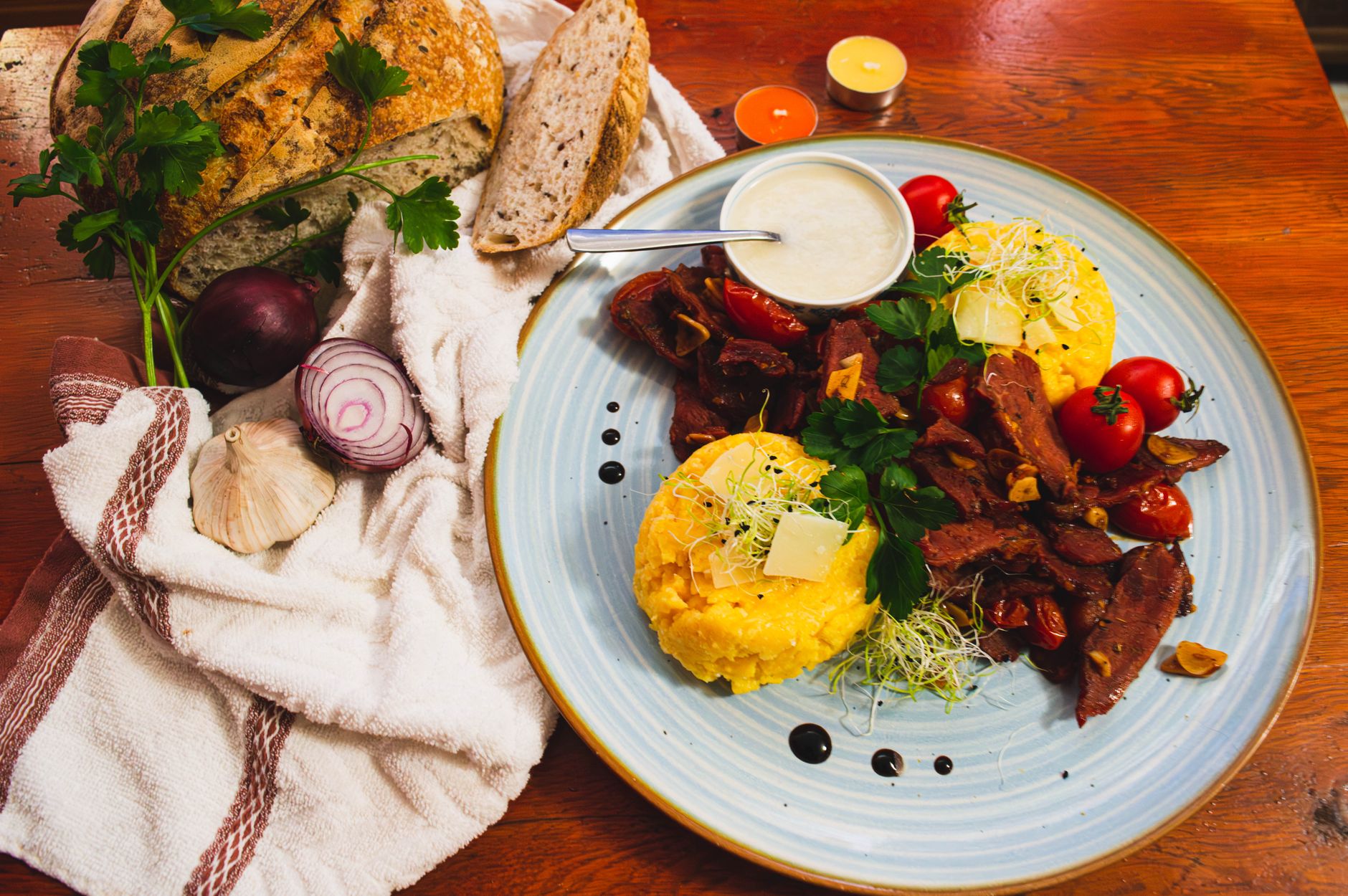
Polemta, often dubbed as “polenta,” is a traditional Italian dish made from ground cornmeal. It’s versatile, easy to prepare, and can be served in various forms, including creamy, baked, or grilled. The unique flavor and texture of polemta make it a delightful base for numerous toppings and sauces.
This article explores the essential ingredients that go into making polemta, its flavor profile, and how best to serve it for maximum enjoyment. Whether you’re a newcomer to this dish or looking to enhance your culinary repertoire, you’ll find practical tips and insights here.
What Is Polemta?
Polemta is a staple in many cuisines but is particularly significant in Northern Italy. It’s made primarily from cornmeal, which is simmered in water or broth until it reaches a thick, creamy consistency. With its comforting texture and ability to absorb flavors, polemta serves as a delicious side dish or main course.
Ingredients for Making Polemta
The primary ingredient for polemta is cornmeal. However, several additions can enhance its flavor and richness. Here’s what you need:
- 2 cups cornmeal (coarse or medium grind preferred)
- 6 cups water or vegetable/chicken broth
- 1 teaspoon salt
- 2 tablespoons butter (optional)
- 1 cup grated cheese (Parmesan or Pecorino recommended, optional)
Flavor Profile of Polemta
Polemta has a mild corn flavor with a slightly nutty undertone, depending on the type of cornmeal used. The cooking process contributes to its creamy and smooth texture. When cooked with broth, the flavor becomes richer, while ingredients like butter and cheese add depth and indulgence.
Texture Characteristics
The texture of polemta can vary based on how it’s prepared. Creamy polemta has a velvety consistency, making it perfect for serving alongside proteins or veggies. When baked, it becomes firmer with a slightly crusty top, allowing for easy slicing and serving. Grilled polemta develops a pleasant char while retaining a tender interior.
How to Prepare Polemta: Step-by-Step Instructions
- Boil the Liquid: In a large pot, bring 6 cups of water or broth to a rolling boil over high heat. Add 1 teaspoon of salt.
- Add Cornmeal: Gradually whisk in the cornmeal to avoid lumps. Stir continuously with a wooden spoon or whisk.
- Cook: Reduce the heat to low and continue stirring for approximately 30 minutes. The mixture should thicken significantly.
- Incorporate Butter and Cheese: Once it reaches the desired consistency, remove the pot from heat. Stir in the butter until melted. If using cheese, add it now for a rich flavor boost.
- Serve or Store: If serving immediately, spoon the polemta onto plates and top with your choice of sauce or garnish. If preparing ahead, spread it into a greased baking dish and let it cool before refrigerating.
Serving Suggestions for Polemta
Polemta can be served in many ways, making it a versatile component of multiple dishes. Here are some popular serving ideas:
- With Sauces: Top warm polemta with marinara sauce, garlic mushrooms, or a rich meat ragu for a hearty meal.
- As a Base: Use polemta as a base for stews or roasted vegetables, where it can soak up delicious flavors.
- Baked or Grilled: After cooling, slice it into shapes and grill or bake until crispy. Serve with a drizzle of olive oil.
- As a Side Dish: It pairs well with grilled fish, roasted meats, or sautéed greens.
Polemta Variations and Substitutions
While traditional polemta is made using cornmeal, there are variations and alternative grains that can be used. Consider these options:
- Polenta Flour: Fine-ground polenta flour can be used for a smoother texture.
- Other Grains: Quinoa, millet, or even rice flour can provide different flavors and textures.
- Non-Dairy Butter: To make a vegan version, substitute butter with olive oil or plant-based margarine.
- Grated Vegan Cheese: For dairy-free preparations, there are excellent vegan cheese options available.
Common Mistakes to Avoid
Here are a few errors to watch out for when preparing polemta:
- Not Stirring Enough: Failing to stir consistently can lead to lumps forming in the mixture.
- Using Incorrect Heat: Starting with too high heat can cause the mixture to stick or burn. Keep it low and slow.
- Not Measuring Ingredients: Ensure accurate measurements for water and cornmeal to achieve the right consistency.
Storing and Reheating Polemta
Polemta can be made ahead and stored, making it a convenient option for meal prep. Here’s how to handle leftovers:
- Refrigeration: Store cooked polemta in an airtight container in the refrigerator for up to 5 days.
- Freezing: It can be frozen for longer storage. Slice it into portions and wrap in plastic before placing in a freezer-safe container.
- Reheating: To reheat, add a splash of water or broth in a saucepan over low heat, stirring until warmed through.
Polemta in Regional Cuisines
While polemta has Italian roots, variations of the dish can be found in several cultures around the world:
- Brazil: Known as “polenta,” it’s enjoyed with various stews and meats.
- Angola: Referred to as “funje,” it is often served with vegetables and is a staple in their diet.
- Southern United States: Cornmeal is used similarly in dishes like grits or corn pone, demonstrating the ingredient’s versatility across cultures.
Incorporating Polemta into Meal Planning
Polemta is an excellent choice for meal planning due to its adaptability and ease of preparation. Here are some tips on how to incorporate it into your weekly menu:
- Batch Cooking: Prepare a large batch of polemta and store it in the refrigerator to use in several meals throughout the week.
- Ingredient Overlap: Use toppings and sauces that can be made ahead and used for multiple meals. For example, make a large pot of marinara to serve with both polemta and other pasta dishes.
- Mason Jar Meals: Layer polemta in mason jars with roasted vegetables and proteins for easy, grab-and-go meals.
Final Thoughts on Polemta Culinary Uses
Polemta is a versatile dish that is as comforting as it is delicious. Whether enjoyed creamy, grilled, or baked, it provides a wonderful base for various toppings, making it an excellent addition to any meal. Experimenting with flavors, toppings, and techniques can elevate this traditional dish, ensuring it suits your taste and dietary needs.
Next time you’re looking for a hearty side dish or a unique main course, remember polemta and the numerous ways it can enhance your dining experience. Consider exploring related topics like what molasses is made from or trying a corn pone recipe for further culinary inspiration.