
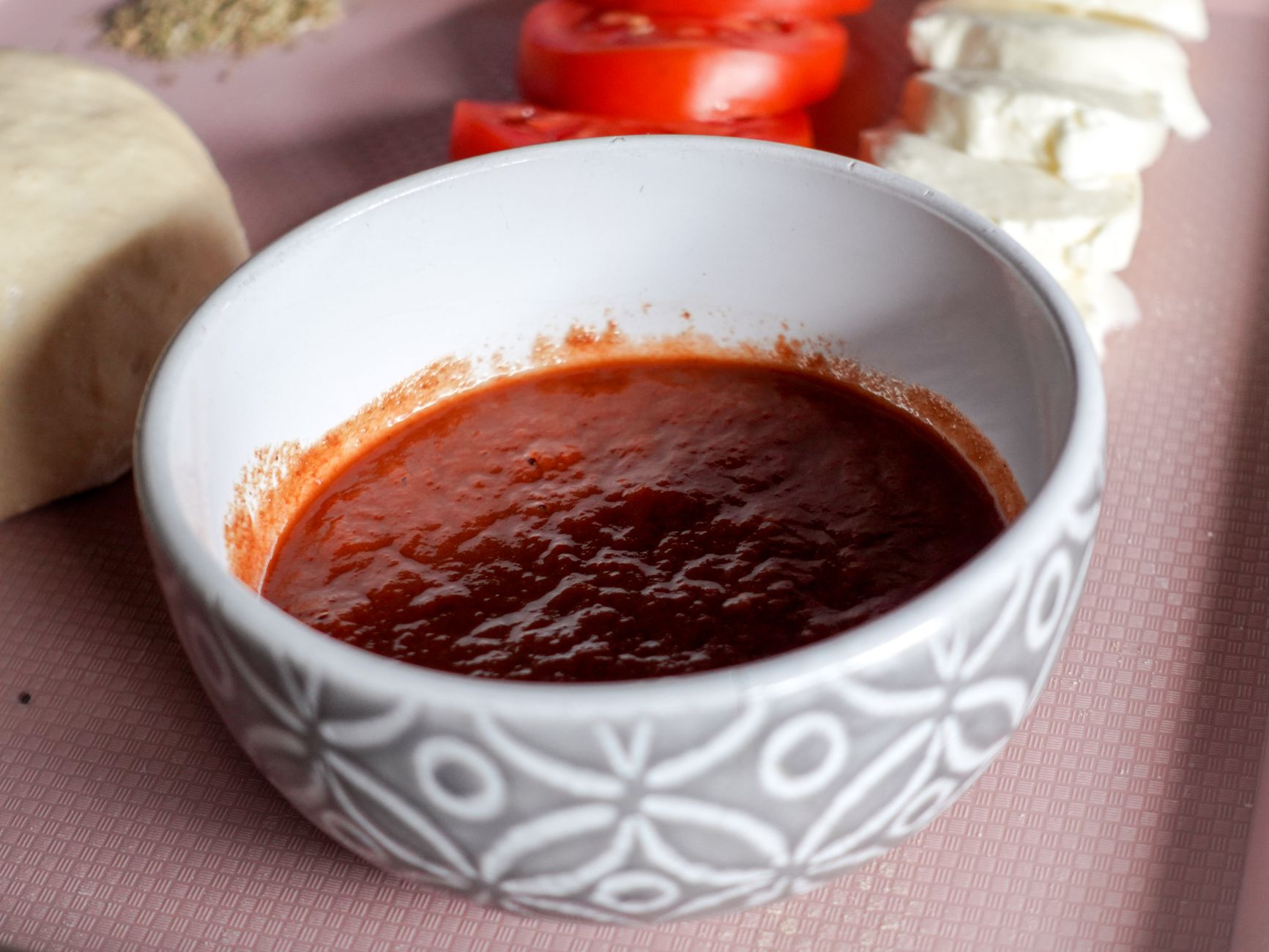
Ancho sauce is a rich, flavorful sauce made primarily from dried ancho chiles. With its deep red hue and mild heat level, it adds a wonderful complexity to various dishes, including enchiladas, tacos, and grilled meats. This sauce is a staple in Mexican cuisine and is beloved for its unique balance of sweetness and smokiness.
If you’re looking to elevate your cooking with a versatile and delicious sauce, understanding ancho sauce, its ingredients, flavor profile, and serving suggestions will enhance your culinary experience.
What Is Ancho Sauce?
Ancho sauce is a sauce made from dried ancho chiles, which are simply dried poblano peppers. The chili is slightly sweet, with hints of raisin and a mild to moderate heat level. The sauce is often combined with other ingredients to create depth and complexity, making it a popular choice in a variety of Mexican dishes.
Ingredients in Ancho Sauce
The primary ingredient in ancho sauce is, of course, dried ancho chiles. However, a typical recipe may include various other components that will enrich the flavor. Here are the essential ingredients:
- 6-8 dried ancho chiles
- 2-3 cloves of garlic
- 1 medium onion (chopped)
- 1-2 cups of chicken or vegetable broth
- 1 teaspoon ground cumin
- 1 teaspoon ground oregano
- Salt to taste
- Optional: 1 tablespoon of vinegar or lime juice for acidity
Flavor Profile of Ancho Sauce
Ancho sauce has a well-rounded flavor profile characterized by sweetness, earthiness, and a negligible level of smokiness. The dried ancho chiles provide sweetness reminiscent of dried fruit, while the garlic and onion add savory undertones. The spices used, such as cumin and oregano, contribute a warm, herbal note that enhances the overall taste. Depending on the addition of vinegar or lime juice, the sauce may also present a pleasant tang.
How to Make Ancho Sauce
Making ancho sauce is straightforward and requires minimal equipment. Follow these steps to create your own delicious sauce:
What You’ll Need
- 1 large saucepan
- Stirring spoon
- Blender or food processor
- Measuring cups and spoons
Steps
- Prepare the chiles: Remove the stems and seeds from the ancho chiles. Rinse them under cold water to clean them, then place them in a dry skillet over medium heat. Toast them for about 1-2 minutes, turning often, until fragrant. Be careful not to burn them.
- Soak the chiles: Transfer the toasted chiles to a bowl and cover them with hot water. Let them soak for about 20-30 minutes until they soften.
- Sauté the aromatics: In the same saucepan, heat a tablespoon of oil over medium heat. Add the chopped onion and garlic, sautéing until the onion becomes translucent and fragrant, about 5-6 minutes.
- Blend the sauce: Once the chiles are soft, drain them and transfer them to your blender or food processor. Add the sautéed onions and garlic, cumin, oregano, and about one cup of broth. Blend until smooth, adding more broth as needed to reach your desired consistency.
- Season: Taste the sauce and season with salt. If using vinegar or lime juice, add it now to brighten the flavors.
- Simmer: In the saucepan, bring the blended sauce to a low simmer for about 10-15 minutes to meld the flavors. Adjust the seasoning as needed.
How to Serve Ancho Sauce
Ancho sauce is incredibly versatile and can be served in various ways. Here are some popular serving suggestions:
- Enchiladas: Use ancho sauce as a filling or drizzled over enchiladas before baking.
- Tacos: Use it as a flavorful base for tacos, whether with beef, chicken, or a plant-based option.
- Grilled meats: Brush the sauce onto grilled chicken, pork, or beef for added depth of flavor.
- Soups and stews: Incorporate the sauce into chili or other soups for an additional layer of spice and warmth.
- Dipping sauce: Serve it as a dipping sauce alongside tortilla chips or as a condiment for grilled vegetables.
Storage and Shelf Life
When stored properly, ancho sauce can be refrigerated in an airtight container for up to one week. It also freezes well—store it in an airtight container or freezer bags for up to three months. When you’re ready to use frozen sauce, thaw it overnight in the refrigerator and reheat it gently on the stove.
Common Mistakes and Troubleshooting
While making ancho sauce is straightforward, here are some common mistakes you might encounter, along with troubleshooting tips to ensure great results:
- Overtoasting the chiles: Toast chiles only until fragrant. Burning them can introduce bitterness.
- Too thick or thin: If the sauce is too thick, add more broth to thin it out. If too thin, simmer it uncovered to reduce and thicken.
- Flavor imbalances: Adjust with more salt or an acid (like lime juice or vinegar) to taste if the sauce feels off.
Variations of Ancho Sauce
There are many ways to customize ancho sauce to suit your taste or accommodate dietary preferences. Here are a few variations:
- Spicy Ancho Sauce: Add hotter chiles such as chipotle or cayenne for a spicier sauce.
- Vegetarian or Vegan: Use vegetable broth and omit any animal fats for a fully plant-based sauce.
- With added fruit: Blend in cooked tomatoes, mango, or fresh herbs like cilantro for a fruity touch.
Ingredient Substitutions
If you don’t have all the ingredients on hand, here are some possible substitutions:
- Dried ancho chiles: Substitute with dried guajillo or pasilla chiles for a different flavor profile, though it will change the taste.
- Broth: Water can be used in place of broth, but it will sacrifice some flavor. Opt for low-sodium for better control over salt levels.
- Garlic and onion: Garlic powder and onion powder can be used as substitutes but will alter the texture.
Health Considerations
While ancho sauce can add a delightful flavor boost to your meals, it’s essential to be mindful of its sodium content, especially if using store-bought versions. Homemade sauces allow you to control the ingredients accurately.
Pairing Suggestions
Ancho sauce pairs wonderfully with various foods. Explore combinations that elevate your meal:
- Meats: Seasoned grilled chicken, beef steak, or ribs
- Vegetables: Roasted or grilled vegetables enhance the sauce’s flavor
- Grains: Use it as a topping on rice or quinoa dishes to bring complexity
Conclusion
Ancho sauce is a delightful addition to your culinary repertoire, offering a unique blend of sweetness and a bit of spice. Its versatility makes it suitable for many dishes, from tacos to grilled meats. By understanding how to make, serve, and store it effectively, you can impress your family and friends with flavorful meals.
Ready to explore more flavorful sauces? Check out the Mango Habanero Sauce or try out a Hot Honey Sauce for something unique and exciting!