
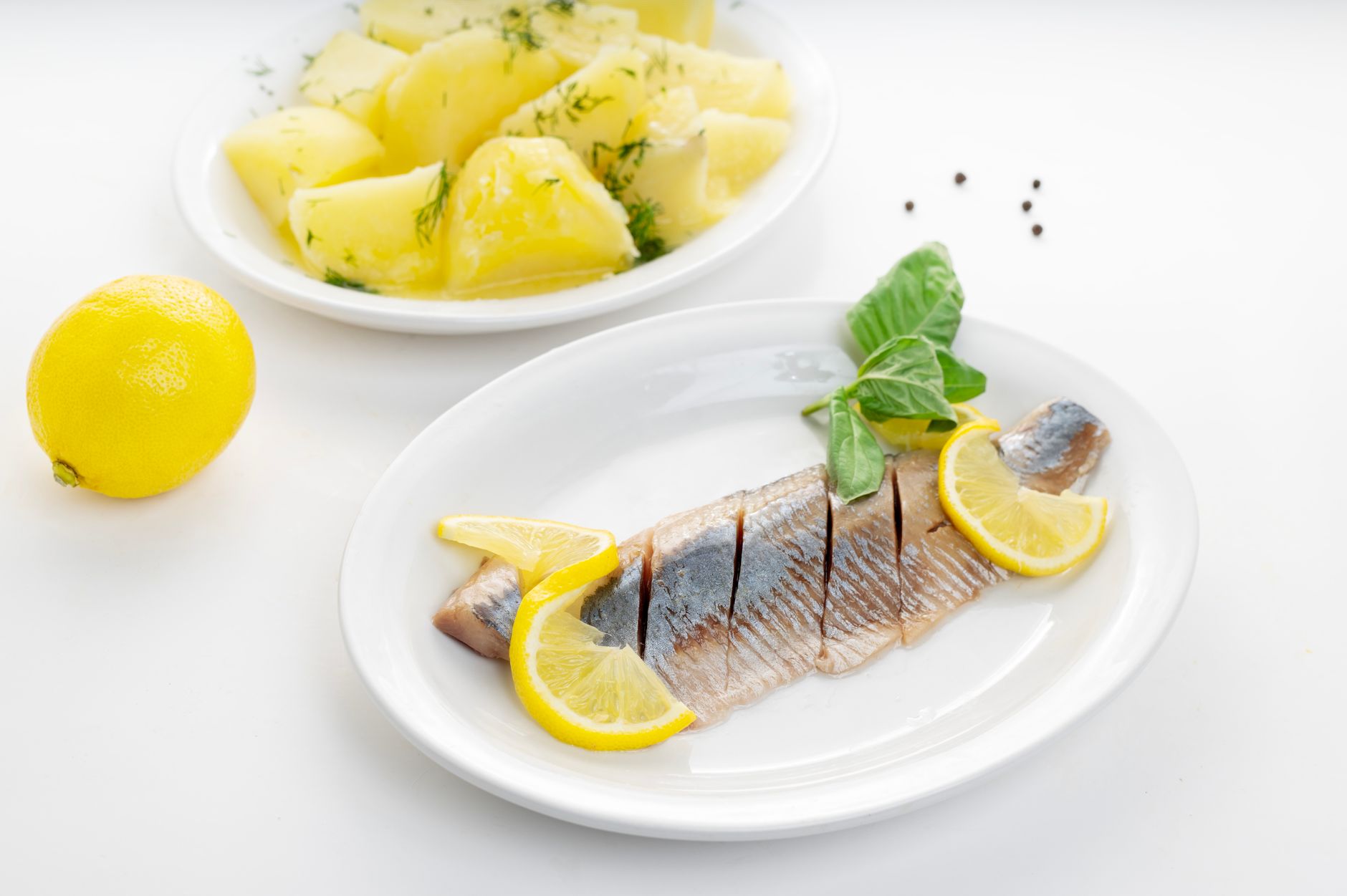
Herring is a small fish found in both the North Atlantic and North Pacific oceans. Often enjoyed in various forms, such as pickled, smoked, or grilled, herring is popular in many cuisines. This article will explore the nutritional benefits of herring, its health considerations, and how to incorporate this nutrient-dense fish into your meals.
As a versatile source of protein and omega-3 fatty acids, herring can contribute to a balanced diet. Understanding its health benefits, potential risks, and cooking methods will help you determine whether herring is a good addition to your meal planning.
Is Herring Good for You?
Yes, herring is good for you! It is rich in essential nutrients, including proteins, omega-3 fatty acids, vitamins, and minerals, making it a beneficial addition to a balanced diet. However, it’s important to consider individual dietary needs and any potential health concerns when incorporating herring into your meals.
Nutritional Profile of Herring
Herring is a nutrient powerhouse. Here’s a breakdown of its nutritional components:
- Protein: Herring provides high-quality protein that supports muscle health and repair.
- Omega-3 Fatty Acids: This fish is particularly known for its high omega-3 content, which is essential for heart and brain health.
- Vitamins: Herring is a good source of vitamin D, vitamin B12, and vitamin A.
- Minerals: It contains important minerals such as selenium, iron, and calcium.
Health Benefits of Herring
The consumption of herring can offer several health benefits, thanks to its impressive nutrient profile:
Heart Health
Omega-3 fatty acids found in herring can help reduce inflammation, lower blood pressure, and improve cholesterol levels, significantly benefiting heart health. Eating fatty fish like herring has been associated with a lower risk of heart disease.
Brain Health
Omega-3 fatty acids are crucial for brain function and development. Regular consumption of herring may support cognitive function and reduce the risk of age-related cognitive decline.
Bone Health
Herring is a source of vitamin D and calcium, both essential for maintaining healthy bones. This fish can be a valuable part of a diet aimed at preventing osteoporosis.
Immune Function
Selenium in herring plays a role in strengthening the immune system, while its omega-3 content may help in combating inflammation throughout the body.
Considerations When Eating Herring
While herring has numerous health benefits, there are some considerations to keep in mind:
Mercury Levels
Herring is generally considered low in mercury, making it a safer choice compared to larger fish species. However, pregnant women and children should still moderate their intake of fish due to potential mercury exposure from larger species.
Sodium Content
Canned or pickled herring can be high in sodium. If you’re watching your salt intake, it’s important to choose fresh or low-sodium varieties when possible.
Allergies
As with any seafood, individuals with fish allergies should avoid herring to prevent allergic reactions.
How to Prepare and Cook Herring
Herring is versatile and can be prepared in several ways. Here are some popular methods:
Grilling
Grilling herring enhances its flavor while giving it a crispy texture. Here’s a simple method:
- Preheat your grill to medium-high heat.
- Clean herring and season with olive oil, salt, and pepper.
- Place the herring skin-side down on the grill.
- Cook for 4 to 5 minutes, then flip and cook for another 3 to 4 minutes until the fish flakes easily.
Pickling
Pickling is a traditional method of preserving herring. Follow this basic process:
- Prepare a pickling solution with equal parts vinegar and water, and add spices such as dill, mustard seeds, and garlic.
- Bring the solution to a boil, then pour it over cleaned herring fillets in a jar.
- Let the jar cool to room temperature before refrigerating. Allow to marinate for at least 24 hours before consumption.
Smoking
Smoking herring imparts a distinct flavor. Here’s a simplified guideline:
- Brine the herring in a mixture of salt and water for a few hours.
- Rinse and allow the fish to dry.
- Smoke using oak or another suitable wood, maintaining a low temperature for a few hours until cooked through.
Serving Suggestions for Herring
Here are some delicious ways to serve herring:
- Serve grilled herring with a side of roasted vegetables or a fresh salad.
- Pair pickled herring with rye bread, cream cheese, and capers for a classic Scandinavian dish.
- Use smoked herring in dips, spreads, or as a flavorful addition to pasta salads.
Storing Herring Properly
Storage methods vary depending on whether the herring is fresh, cooked, canned, or pickled:
Fresh Herring
Store fresh herring in the refrigerator at temperatures below 40°F (4°C). Use within two days for the best quality.
Cooked Herring
Leftover cooked herring can be refrigerated for 3 to 4 days in an airtight container.
Canned Herring
If unopened, canned herring can last for years. Once opened, it should be stored in the refrigerator and consumed within a week.
Pickled Herring
Keep pickled herring in the refrigerator; it can last for several weeks or even months, depending on the acidity of the pickling solution.
Common Mistakes to Avoid
Here are some common pitfalls to avoid when cooking or consuming herring:
- Overcooking the fish, which can result in a dry texture. Herring should be cooked until just flaky.
- Choosing overly salty canned or pickled versions without considering sodium intake.
- Ignoring the freshness of the fish; always check for a clean smell and vibrant skin.
Substitutions for Herring
If herring is unavailable, consider these alternatives, keeping in mind the differences in flavor and texture:
- Sardines: Similar in flavor and rich in omega-3s, sardines also offer excellent nutritional benefits.
- Mackerel: Another fatty fish option, mackerel has a strong flavor and can be used in similar dishes.
- Rainbow Trout: A milder fish that can be used to mimic the texture of herring in recipes.
Conclusion
Herring is a versatile and nutritious fish that can be a valuable part of a balanced diet. Its high omega-3 fatty acids, protein, and vitamins make it a smart choice for supporting heart and brain health. When incorporating herring into your meals, consider the form you choose, how you prepare it, and your dietary needs.
Explore delicious recipes, cooking tips, and complete food guides to elevate your culinary experience with herring and other nutritious ingredients. Check out what is herring or find out if you can refreeze fish for more helpful information.