
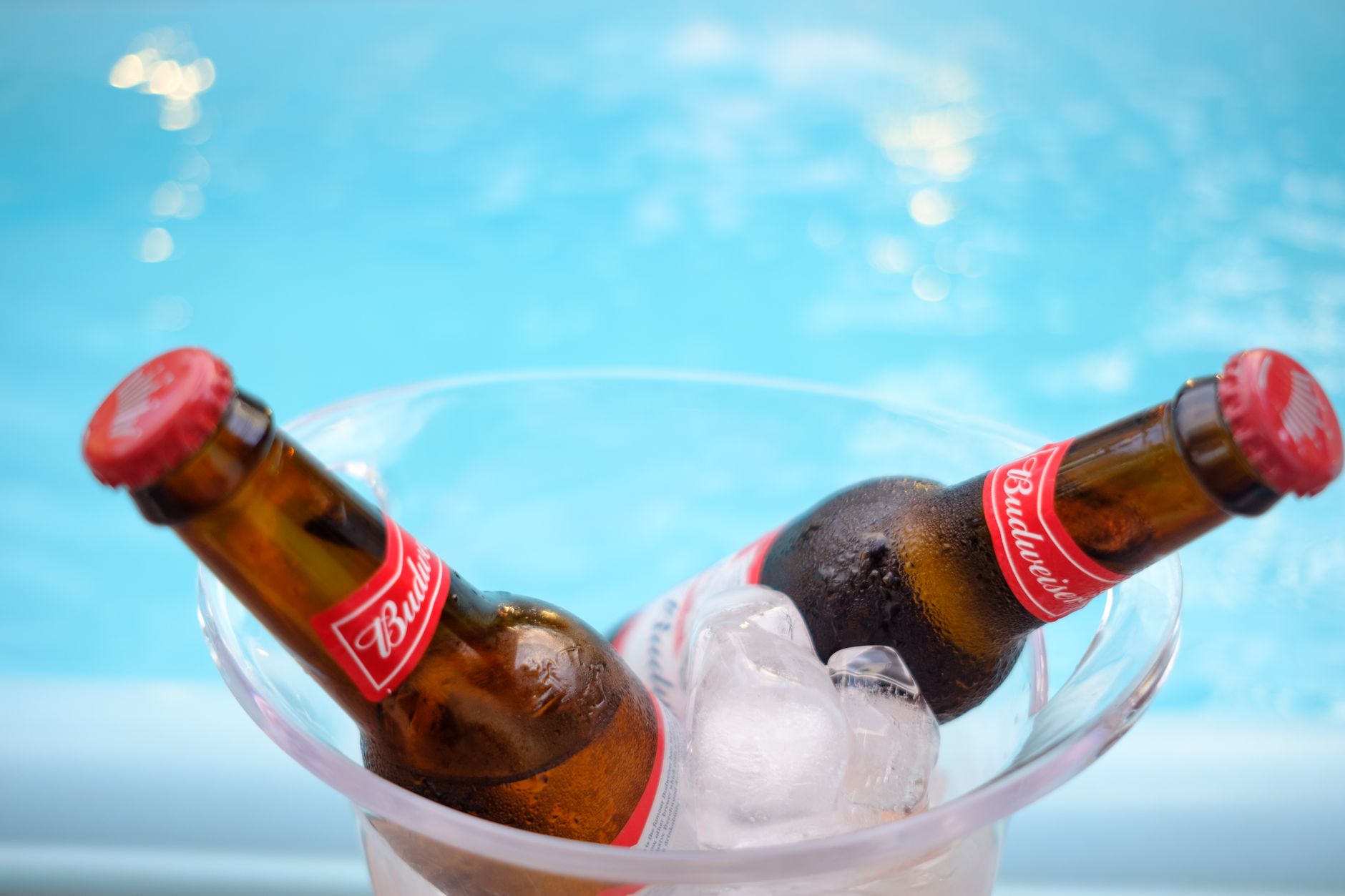
Many beer enthusiasts often wonder, “Does refrigerated beer go bad?” The simple answer is yes, but the nuances are important to understand. Like other food and drink items, beer has a shelf life influenced by various factors such as type, packaging, and storage conditions.
In this article, we will explore the shelf life of refrigerated beer, what can cause it to go bad, how to store it properly, and tips for recognizing signs of spoilage. With the right knowledge, you can enjoy your beer at its best.
Does Refrigerated Beer Go Bad?
Yes, refrigerated beer can go bad, but it takes a long time for most beers to spoil if stored properly. Factors such as exposure to light, temperature fluctuations, and time can impact beer quality. While some beers improve with age, others are meant to be consumed fresh.
Understanding Beer Shelf Life
Beer shelf life varies widely based on its style, packaging, and storage conditions. Most commercially brewed beers, when stored correctly, can last anywhere from a few months to several years. Here’s a closer look at how different factors affect beer shelf life.
Type of Beer
The type of beer significantly influences its longevity:
- Lagers and Ales: Typically last about six months to one year when refrigerated. Some hop-forward beers, like IPAs, are best consumed fresh to enjoy their vibrant flavors.
- Stouts and Porters: These darker beers often have a longer shelf life (up to a year or more) due to their higher alcoholic content and increased hops.
- Sours and Wild Ales: These can age gracefully and sometimes even improve over time, but checking for off-flavors regularly is crucial.
- Craft Beers: Always check specific recommendations; craft breweries often provide a “best by” date that guides freshness.
Packaging and Storage
How beer is packaged can also determine its shelf life:
- Bottles: Clear and green bottles allow light to penetrate, which can skunk the beer. Brown bottles offer better protection.
- Cans: Generally more protective against light and air, cans can help preserve the beer’s flavor and freshness.
Regardless of the packaging, storing beer in a cool, dark place away from fluctuating temperatures is essential for prolonging its shelf life.
Signs That Beer Has Gone Bad
Identifying spoiled beer can be challenging. Here are some common signs to look for:
- Off Smell: A skunky or sour odor can indicate that the beer has been light-struck or has started to ferment improperly.
- Strange Flavor: If the beer tastes sour, metallic, or dramatically different from its original flavor, it has likely gone bad.
- Appearance: While sediment can be normal in some beers, excessive cloudiness or floating particles could signal spoilage.
- Carbonation Issues: Flat beer that lacks fizz might not be safe; ensure it has good carbonation levels when poured.
Proper Storage Tips for Beer
Proper storage is crucial to extending the life of your refrigerated beer. Here are some best practices:
- Temperature Control: Keep beer refrigerated at a constant temperature between 35°F to 55°F (1.6°C to 12.8°C). Rapid temperature changes can age beer prematurely.
- Avoid Light Exposure: Store beer in a dark environment, as light can damage the beer and cause off-flavors.
- Upright Position: Store bottles and cans upright to prevent yeast from sedimenting and spoiling the liquid.
- Close Containers: Always ensure that your beer containers, particularly bottles and growlers, are sealed tightly to prevent oxidation.
The Impact of Time on Beer Quality
As beer ages, its flavor profile can change. Some beers, like IPAs, may lose their hoppy aroma over time, while stouts might gain complexity. Knowing when to drink your beer is essential:
- Fresh Beer: Ideally consumed within a few months of production, especially for hop-forward styles.
- Moderately Aged Beers: Some styles, like amber ales or brown ales, can last up to a year and still taste excellent.
- Vertical Tasting: Consider keeping a few bottles from different years and tasting them side by side to observe how they develop.
Can You Freeze Beer?
Freezing beer is not recommended as it can lead to loss of carbonation and flavor. If beer freezes, the ice crystals that form can rupture the structure, causing a change in taste and texture. If you accidentally freeze beer, let it thaw in the refrigerator and taste it carefully before consuming.
What About Opened Beer?
Once a beer has been opened, its shelf life decreases significantly:
- Consumed within 1-2 Days: Opened beer is best consumed within a couple of days to enjoy its fresh flavors.
- Storage in the Fridge: Keep opened beer covered in the refrigerator when not being consumed. Use bottle caps or silicone toppers for protection.
Some Common Beer Myths
Understanding beer requires separating myths from facts. Here are a few common misconceptions:
- All Beer Goes Bad After a Year: While some beers do lose flavor, many types, especially strong ales or stouts, can be excellent even after aging.
- Cans Taste Different Than Bottles: Quality packaging reduces exposure to light and air, but the taste should remain unaffected by the container.
- Beer is Good Indefinitely: While beer doesn’t “go bad” in the traditional sense, it can lose its intended flavors and aromas, making it less enjoyable.
Leftover Beer: Creative Uses
If you find yourself with leftover or slightly off beer, consider using it creatively:
- Cooking: Use beer to marinate meats, make beer bread, or create flavorful stews and sauces.
- DIY Cleaning: The acidity in beer can help clean stains or polish furniture.
- Plant Fertilizer: Some gardeners use flat beer as a natural fertilizer—just ensure it doesn’t attract pests!
Conclusion
Refrigerated beer can go bad depending on its type, storage conditions, and time. Knowing how to store beer properly and recognizing the signs of spoilage will help you enjoy your favorite brews at their best. Remember to check expiration dates, store your beer correctly, and drink it at its prime.
As you learn to store and enjoy beer, you might also explore other food topics. Check out Does Ghee Need to Be Refrigerated? and How Long Is Ground Beef Good For in the Fridge? for more practical food guides.