
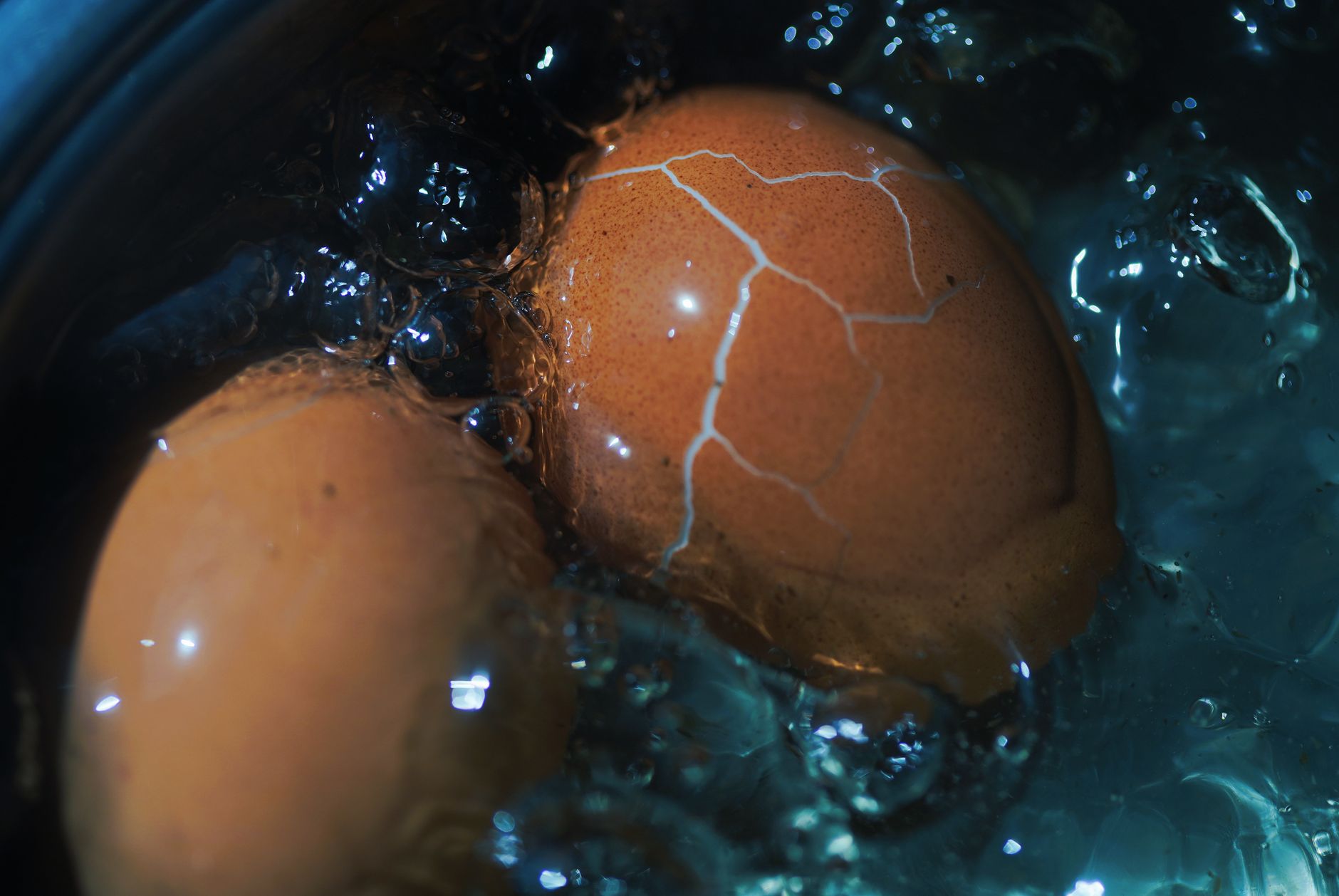
Hard boiled eggs are a versatile and nutritious addition to any meal. They can be enjoyed on their own, tossed into salads, or used as a protein-packed snack. However, knowing how long you can keep hard boiled eggs in the refrigerator is crucial for maintaining food safety and quality. This article delves into the storage guidelines for hard boiled eggs, along with tips for handling and using them effectively.
Understanding how to store hard boiled eggs properly can help minimize food waste while ensuring you always have a delightful, ready-to-eat treat at hand. Let’s explore the storage durations, signs of spoilage, and tips for enjoying hard boiled eggs at their best.
How Long Can You Keep Hard Boiled Eggs in the Fridge?
You can keep hard boiled eggs in the refrigerator for up to one week (7 days). To ensure they remain safe to eat, store them in their shells and in a covered container. If you peel them, they should be consumed within five days.
Storage Guidelines for Hard Boiled Eggs
Proper storage is vital for maintaining the freshness and safety of hard boiled eggs. Here are a few key guidelines to follow:
- Store unpeeled eggs: Keeping eggs in their shells helps protect them from bacteria and keeps them fresher.
- Use a covered container: A covered container minimizes exposure to air, which can cause the eggs to dry out.
- Label your eggs: If you’re not sure when you boiled the eggs, label them with the date you cooked them. This can help you track their freshness.
How to Boil Perfect Eggs
To appreciate hard boiled eggs fully, knowing how to prepare them perfectly is essential. Below is a straightforward method for boiling eggs:
- Choose your eggs: Start with eggs that are at least a week old, as they tend to peel more easily.
- Place eggs in a pot: Arrange them in a single layer at the bottom of a saucepan or pot.
- Add water: Cover the eggs with cold water, making sure there’s about an inch of water above the eggs.
- Bring to a boil: Place the pot over medium-high heat and bring the water to a rapid boil.
- Cover and remove from heat: As soon as the water boils, cover the pot with a lid and remove it from heat. For a firmer yolk, let it sit for about 12 to 14 minutes. For a creamier yolk, aim for 9 to 11 minutes.
- Prepare an ice bath: While the eggs are sitting, fill a bowl with ice and cold water.
- Transfer the eggs: Once the timer goes off, use a slotted spoon to transfer the eggs to the ice bath. Let them sit for at least five minutes to halt the cooking process and make peeling easier.
- Peel and enjoy: When ready, tap the eggs on a hard surface, then roll them lightly to crack the shell. Peel under running water for ease.
Identifying Spoiled Hard Boiled Eggs
Understanding how to tell if hard boiled eggs have gone bad is essential for food safety. Here are some signs of spoilage to look out for:
Visual Inspection
- Shell condition: If the shell shows any signs of cracks or mold, it’s best to discard the egg.
- Surface residue: Any dark spots or unusual residue on the shell can be a sign of spoilage.
Smell Test
A foul odor is one of the most telling signs of spoilage. If an egg emits a sulfur-like smell when peeled, it’s best to discard it.
Texture and Appearance
Upon peeling, the egg white should be firm, and the yolk should have a vibrant color. Any off textures (slimy or excessively sticky) can indicate spoilage.
How to Use Hard Boiled Eggs
Hard boiled eggs are incredibly versatile and can be included in a variety of dishes. Here are some popular ways to incorporate them into your meals:
- Salads: Chop hard boiled eggs and add them to salads for extra protein. They pair well with greens, tomatoes, and croutons.
- Deviled eggs: A classic appetizer! Slice eggs in half, mix the yolks with mayonnaise and mustard, spoon back into the whites, and season.
- Sandwiches: Mash hard boiled eggs with avocado or mayonnaise for a delicious spread on bread or crackers.
- Snacks: A simple sprinkling of salt or a dash of hot sauce can make hard boiled eggs a perfect snack.
Freezing Hard Boiled Eggs
While it’s not recommended to freeze whole hard boiled eggs, you can freeze the egg yolks or egg whites separately if you need to store them for a longer period. Here’s how:
- Separate the yolks and whites: Once you’ve peeled your eggs, separate the yolks from the whites.
- Freeze egg yolks: You can freeze yolks individually by placing them in an ice cube tray. Add a dash of salt or sugar to preserve their texture, depending on whether you plan to use them in savory or sweet dishes.
- Freeze egg whites: Pour egg whites into an ice cube tray without any additives. Once frozen, transfer them to a zip-top bag and store in the freezer.
When you need to use frozen egg yolks or whites, simply thaw in the refrigerator overnight before cooking.
Common Mistakes When Storing Hard Boiled Eggs
Even with the best intentions, mistakes can happen. Here are common pitfalls to avoid:
- Not storing in the shell: Peeling eggs before storing can lead to spoilage and drying out.
- Keeping near the front of the fridge: Eggs should be stored in the main compartment where the temperature is more stable, rather than in the door.
- Forgetting the date: Always label your eggs with the date they were cooked to ensure freshness and safety.
Serving Suggestions and Pairings
Hard boiled eggs can be paired with a variety of ingredients and flavors for enhanced taste. Consider the following combinations:
- Avocado: Spread some mashed avocado on toast and top with a sliced hard boiled egg for a nutritious breakfast.
- Hot sauce: A few dashes of your favorite hot sauce can elevate the simple hard boiled egg into a flavorful snack.
- Herbs: Chopped chives, dill, or parsley can add freshness when sprinkled on top of sliced eggs.
Recipe Variations and Ideas
Here are a couple of variations to try with hard boiled eggs:
Curried Deviled Eggs
- Mash yolks with mayonnaise, curry powder, mustard, and salt.
- Fill the whites and sprinkle with paprika and chopped cilantro.
Egg Salad
- Mash hard boiled eggs with Greek yogurt, diced celery, mustard, and a splash of lemon juice.
- Serve on whole-grain bread or in lettuce wraps.
Best Practices for Cooking and Storing Eggs
To get the most out of your storage and cooking practices, adhere to the following best tips:
- Invest in a good egg timer: If you are keen on perfect results, an egg timer can help ensure you cook them just right.
- Be mindful of temperature: Always ensure your refrigerator is set to 40°F (4°C) or lower for optimal food safety.
- Keep eggs away from strong-smelling foods: Eggs can absorb smells, so avoid storing them near foods like garlic or onions.
Conclusion
Hard boiled eggs are not only delicious but also a highly practical and convenient ingredient. Knowing how to store them safely and for how long allows you to enjoy their flavors and nutritional benefits fully. Remember to treat them with care and keep an eye on freshness for the best possible experience.
For more insights on egg storage, consider exploring additional recipes and tips. You can read about egg storage guidelines or learn how long eggs last after their sell-by date by checking egg expiration dates.