
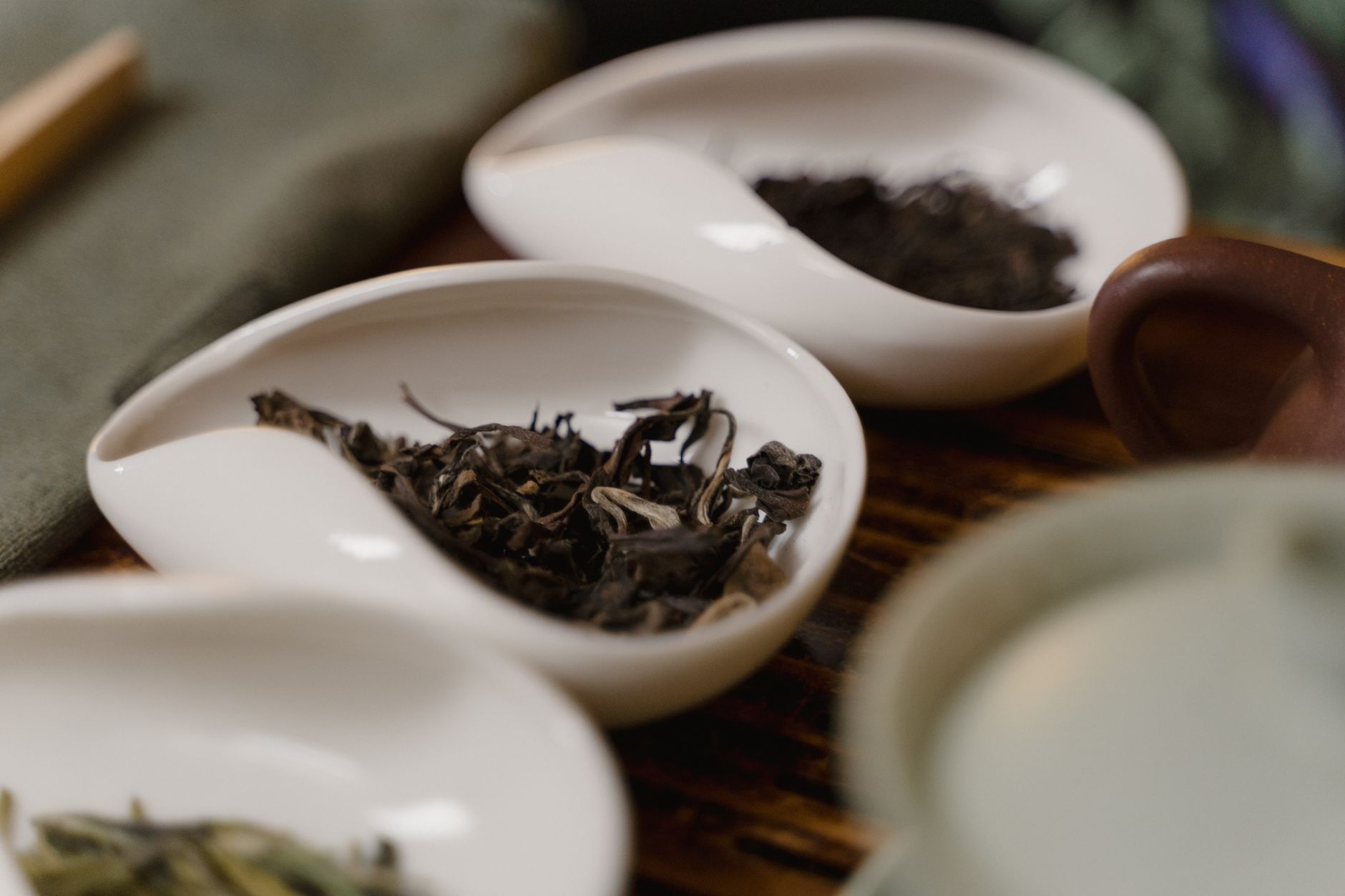
Oolong tea, a semi-oxidized delight, occupies a unique space within the world of teas, both in flavor and caffeine content. Understanding how much caffeine is present in oolong tea can significantly influence your tea-drinking habits, whether you’re looking for a gentle boost of energy or aiming to limit your caffeine intake.
This article explores the caffeine content in oolong tea, provides serving size recommendations, and offers insights into factors that influence its caffeine levels. By the end, you’ll have a comprehensive understanding of oolong tea and how to enjoy it best.
How Much Caffeine in Oolong?
The caffeine content in oolong tea typically ranges from 30 to 50 milligrams per 8-ounce cup. This level can vary based on several factors, including the specific type of oolong, how it is processed, and the brewing method used.
Factors That Influence Caffeine Content
Various elements play a role in determining the caffeine levels in oolong tea. Understanding these factors can help you make informed choices about how much caffeine you’re consuming.
1. Tea Variety
Oolong tea consists of numerous varieties, each with distinct flavor profiles and caffeine content. Generally, the darker the oolong tea, the higher the caffeine content, as darker teas use mature leaves, which tend to have more caffeine compared to lighter ones.
2. Leaf Processing
The processing method greatly affects the final caffeine content. Oolong tea undergoes partial oxidation, which can enhance the caffeine levels compared to green tea (which is unoxidized) but typically results in lower caffeine than black tea (which is fully oxidized).
3. Brewing Time and Temperature
Longer brewing times and higher water temperatures can extract more caffeine. Generally, steeping oolong tea for 3 to 5 minutes at a temperature of 190 to 200°F (88 to 93°C) can yield an optimal caffeine level while also bringing out the unique flavors.
4. Quality of Leaves
Higher quality oolong leaves, often sourced from high-altitude regions, tend to contain more caffeine compared to lower-quality or supermarket brands. This is primarily due to the healthy growing conditions that contribute to the overall caffeine content.
How Does Oolong Compare to Other Teas?
To appreciate the caffeine content in oolong tea fully, it’s helpful to compare it to other popular types of tea.
| Type of Tea | Caffeine Content (per 8 oz) |
|---|---|
| Oolong | 30 – 50 mg |
| Green Tea | 20 – 45 mg |
| Black Tea | 40 – 70 mg |
| White Tea | 15 – 30 mg |
This table illustrates that oolong tea generally falls in the middle range of caffeine content when compared with other types of tea. It serves as a reasonable choice for those looking to balance their caffeine intake.
Recommended Serving Sizes
When brewing oolong tea, the recommended serving size is typically 1 to 2 teaspoons of loose leaves per 8 ounces of water. It’s essential to consider how strong you’d like your tea and adjust accordingly.
Brewing Techniques
Here’s a basic guideline to brew a perfect cup of oolong tea:
- Measure 1 to 2 teaspoons of oolong leaves.
- Heat your water to about 190 to 200°F (88 to 93°C).
- Pour the hot water over the leaves in a teapot or infuser.
- Steep for 3 to 5 minutes, depending on desired strength.
- Strain the leaves and enjoy your tea.
For those who like to experiment, consider using a gaiwan, a traditional Chinese tea brewing vessel, which allows you to control infusion times and temperature precisely.
Common Mistakes When Brewing Oolong
Even seasoned tea drinkers can make mistakes when brewing oolong tea. Here are some common pitfalls and how to avoid them:
- Brewing with water that is too hot: Oolong requires specific temperatures for optimal flavor extraction; too hot can result in bitterness.
- Incorrect steeping time: Over-steeping can lead to astringency, while under-steeping may not extract the full flavor profile.
- Using too few leaves: This can result in a weak flavor. Make sure to use enough leaves to achieve a balanced cup.
Health Benefits and Caffeine Sensitivity
Oolong tea is known for its potential health benefits, which include aiding digestion and supporting weight management. However, being aware of caffeine sensitivity is crucial. Some people may experience jitteriness or insomnia with caffeine consumption, even in moderate amounts.
Tips for Caffeine Management
If you’re sensitive to caffeine but enjoy oolong tea, consider these strategies:
- Limit your intake to one cup a day.
- Try decaffeinated or low-caffeine oolong options when available.
- Drink oolong earlier in the day to avoid sleep disturbances.
Flavor Profile of Oolong Tea
The flavor of oolong tea can vary widely depending on the variety. From floral and fruity to creamy, oolong teas offer a rich tasting experience.
Types of Oolong Tea
Some popular types of oolong tea include:
- Formosa Oolong: Known for its sweet, floral notes.
- Da Hong Pao: A heavily oxidized variety with a rich, roasted flavor.
- Tieguanyin: Characterized by its smooth, creamy texture and floral aroma.
Exploring different types of oolong tea can widen your palate and provide various experiences with each steep.
Oolong Tea Pairing Ideas
Oolong tea can complement a variety of foods. Here are some pairing ideas:
- Fruits: Pair with tropical fruits like mango and pineapple for a refreshing contrast.
- Cheese: Creamy cheeses such as Brie work particularly well, enhancing the tea’s smooth texture.
- Savory Dishes: Oolong shines alongside Asian cuisine, particularly dishes like dim sum, sushi, or roasted meats.
Storage of Oolong Tea
To maintain oolong tea’s freshness and flavor, proper storage is essential. Here are some guidelines:
- Keep your oolong tea in an airtight container to prevent moisture and air exposure.
- Store in a cool, dark place away from direct sunlight or heat sources.
- Avoid storing near strong-smelling spices or foods, as oolong can absorb these odors.
Conclusion
Understanding the caffeine content in oolong tea allows you to enjoy this exquisite beverage without concern. With typical caffeine levels of 30 to 50 milligrams per cup, oolong provides a balanced option between the lighter green teas and stronger black teas. Tailoring your brewing techniques and becoming familiar with the varieties available will enhance your experience even further.
To further enrich your tea knowledge, consider exploring how much caffeine is in chai tea and which tea has the most caffeine for diverse beverage options.
For those looking to expand their culinary repertoire, discover other enriching guides and tasty recipes that enhance meal preparation and flavor stacking.