
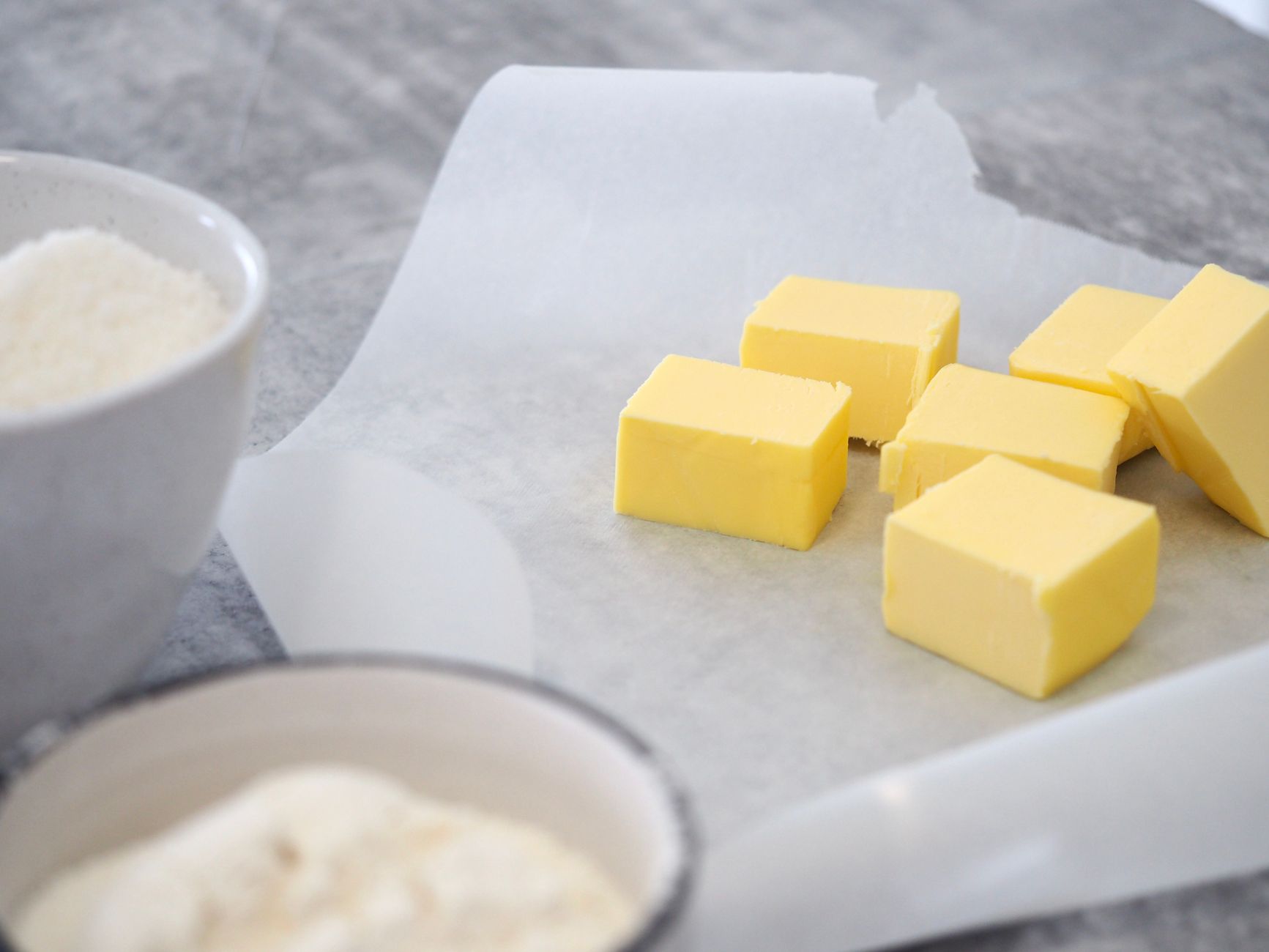
Butter is a staple ingredient in many kitchens, celebrated for its rich flavor and versatility. But when it comes to nutrition, many people wonder: is butter a saturated fat? This article will delve into the nutritional profile of butter, discuss its saturated fat content, and offer insights into how it fits into a balanced diet.
Understanding whether butter is a saturated fat is crucial for making informed dietary choices. We will explore its health implications, how it compares to other fats, and provide guidance on incorporating it into meals correctly. Whether you’re baking, cooking, or simply enjoying it on toast, knowledge is the key to using butter wisely.
Is Butter A Saturated Fat?
Yes, butter is considered a saturated fat. Approximately 63% of the fat in butter is saturated fat, which has been linked to various health discussions over the years. While some dietary guidelines have traditionally cautioned against high saturated fat intake due to concerns over heart health, recent studies show a more nuanced understanding of saturated fats, including those found in butter.
Nutritional Facts of Butter
Before incorporating butter into your diet, it’s important to understand its nutritional breakdown. Below are the approximate nutritional values for a standard serving size of 1 tablespoon (14 grams) of butter:
- Calories: 102
- Total Fat: 12 grams
- Saturated Fat: 7 grams
- Monounsaturated Fat: 3 grams
- Polyunsaturated Fat: 0.5 grams
- Cholesterol: 31 mg
- Sodium: 1 mg
- Vitamin A: 11% of the Daily Value (DV)
From this breakdown, we can see that butter is predominantly fat, with a notable amount of saturated fat. Additionally, it provides Vitamin A, an essential nutrient important for vision, immune function, and skin health.
Understanding Saturated Fats
Saturated fats are typically solid at room temperature and are primarily found in animal products. They have long been associated with an increase in LDL cholesterol levels, which is often termed “bad” cholesterol. However, the relationship between saturated fat and heart health is complex and requires a deeper understanding.
Sources of Saturated Fats
Besides butter, saturated fats can be found in a variety of foods:
- Red meat
- Poultry skin
- Dairy products like cream and cheese
- Coconut oil and palm oil
Recognizing these sources can help individuals make conscious choices about their fat intake.
The Role of Saturated Fats in Health
Recent research has suggested that the relationship between saturated fat and heart disease may not be as straightforward as previously thought. While saturated fats can increase cholesterol levels, they also raise HDL (good) cholesterol. The current consensus among health experts is to focus on overall dietary patterns rather than isolating individual nutrients.
Butter vs. Other Fats
When comparing butter to other dietary fats, it’s essential to recognize the differences in their health profiles:
- Olive Oil: Rich in monounsaturated fats and antioxidants, olive oil is often touted as a healthier alternative to butter.
- Coconut Oil: While it does contain saturated fat, coconut oil is thought to have different metabolic effects due to its medium-chain triglycerides.
- Vegetable Oils: Commonly rich in polyunsaturated fats, these oils are often used for frying and baking.
Choosing between butter and these other fats often comes down to personal preference, culinary application, and dietary needs.
How to Incorporate Butter Effectively
For those who enjoy the flavor of butter, it can be a delightful addition to a variety of dishes when used in moderation. Here are some practical ways to incorporate butter:
Cooking and Baking Tips
- Sautéing: Use butter for sautéing vegetables, as it adds rich flavor. Combine with olive oil for a higher smoke point.
- Baking: Butter is essential for baking exquisite cookies, cakes, and pastries. It contributes to the texture and taste.
- Greasing Pans: Use butter to grease baking pans to prevent sticking and add flavor to your baked goods.
- Flavor Enhancer: Add a pat of butter to pasta or rice just before serving for a delicious, rich finish.
Making Healthier Choices
Moderation is key when it comes to butter consumption. Here are some strategies for balancing enjoyment with health:
- Consider using smaller amounts when flavoring. Even a teaspoon can enhance the taste of dishes.
- Pair butter with nutrient-dense foods like vegetables or whole grains to create balanced meals.
- Explore flavored butters, such as herb-infused or garlic butter, to enjoy smaller portions without sacrificing taste.
Common Butter Substitutes
If you’re looking to reduce saturated fat intake or need alternatives due to dietary restrictions, several substitutes can be used in place of butter:
- Margarine: A plant-based alternative; however, check for trans fats, as some margarine varieties may contain them.
- Applesauce: Ideal for baking, it can replace butter by adding moisture and sweetness.
- Coconut Oil: Offers a rich flavor, particularly in baking, but has a distinct coconut taste.
- Greek Yogurt: Adds creaminess and protein; suitable in baked goods but may alter the texture slightly.
When using substitutes, consider adjusting other components of the recipe. For instance, if using applesauce, you might need to decrease sugar since it’s naturally sweet.
Storing Butter Properly
Proper storage of butter helps it maintain freshness and taste. Here are some guidelines:
- Refrigeration: Keep butter wrapped in its original packaging or in an airtight container in the refrigerator. It can generally last for about one month.
- Freezing: Butter can be frozen for long-term storage. Wrap it tightly in foil or plastic wrap and store in a freezer-safe container. It can last up to six months.
- Room Temperature: If you prefer soft butter for spreading, you can keep a small amount at room temperature in a covered dish for up to a week. This should be kept out of direct sunlight and heat.
Common Mistakes When Using Butter
To make the most of butter in your cooking and baking, avoid these common pitfalls:
- Not allowing butter to reach room temperature when baking: This can affect the texture of cookies and cakes.
- Using butter that’s too cold for sautéing: Cold butter can seize and burn, leading to uneven cooking.
- Overusing butter: While it adds flavor, using too much can lead to greasy dishes or a heavier palate.
Being mindful of these issues can improve your culinary outcomes and help you enjoy dishes created with butter.
Conclusion
Butter, while it is a saturated fat, can be enjoyed in moderation as part of a balanced diet. By understanding its nutritional profile, recognizing its role in cooking and baking, and being mindful of substitutes and storage, you can make informed choices that align with your health goals.
Next time you reach for that stick of butter, consider how best to incorporate it into your meals. Whether you’re crafting pastries or simply adding a touch to vegetables, butter can enhance your culinary experience.
If you’re interested in learning more about butter, be sure to check out our guides for clarified butter in the clarified butter recipe and our delicious butter swim biscuits recipe.