
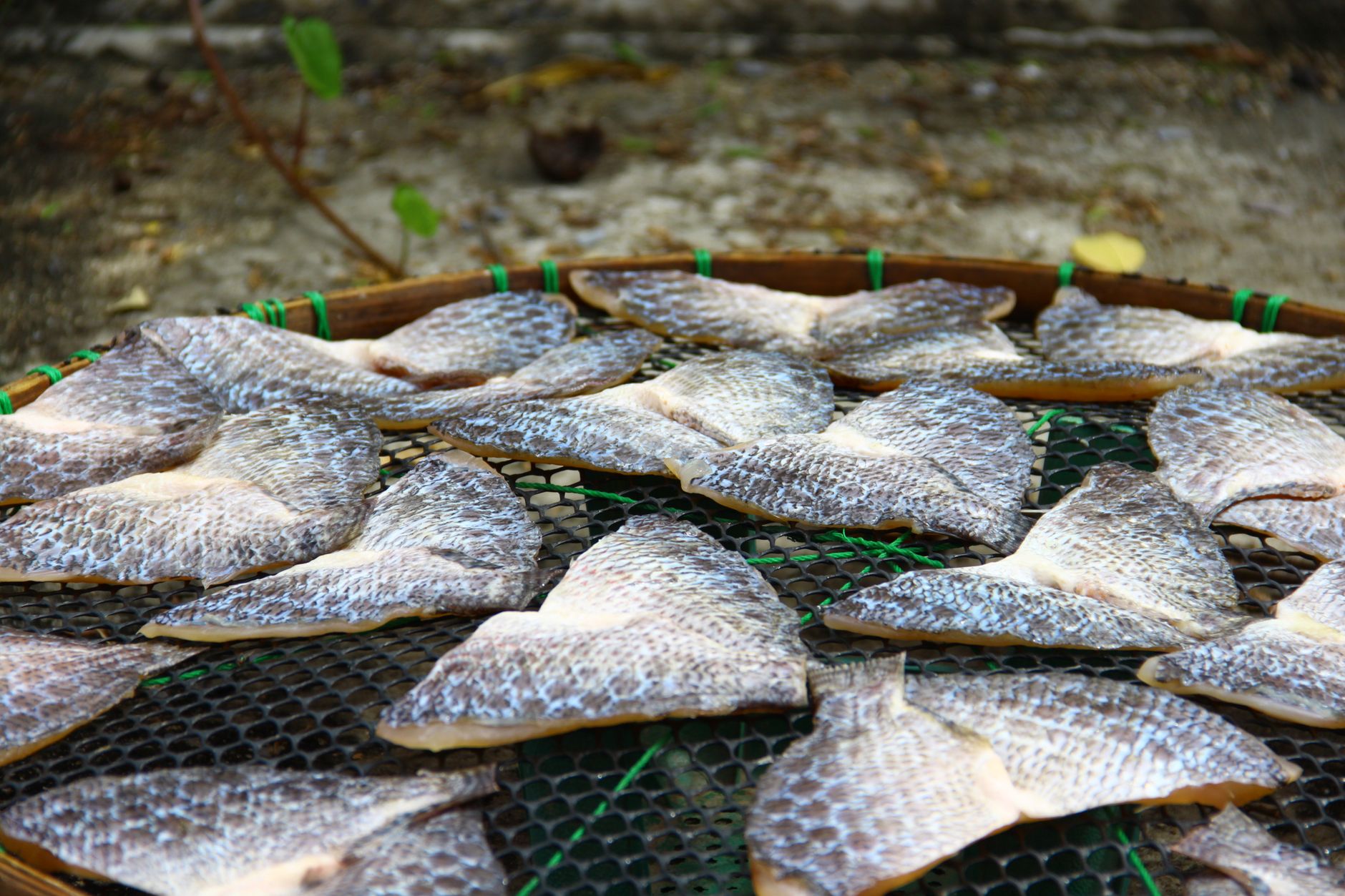
Tilapia, a popular freshwater fish, is known for its mild flavor and flaky texture. It’s often chosen for its versatility in various dishes, from grilling to frying. However, many people wonder about its health implications, particularly concerning cholesterol levels. In this article, we will explore the cholesterol content of tilapia, providing essential information for health-conscious eaters.
Understanding the nutritional aspects of tilapia can help you make informed choices when planning meals. We will discuss its overall nutritional profile, dietary considerations, and how it can fit into a balanced diet, especially for those monitoring cholesterol intake.
Is Tilapia High in Cholesterol?
No, tilapia is not considered high in cholesterol. A typical serving (about 3.5 ounces or 100 grams) of cooked tilapia contains approximately 60-70 milligrams of cholesterol. This is relatively low compared to other protein sources, such as beef or pork, which can have significantly higher cholesterol levels.
When it comes to dietary guidelines, the American Heart Association advises that dietary cholesterol should be limited to about 300 milligrams per day for healthy individuals. Therefore, tilapia can easily fit within this recommendation, making it a heart-friendly choice.
Nutritional Profile of Tilapia
Aside from its cholesterol content, knowing the overall nutritional profile of tilapia can help you appreciate its health benefits. Here’s a breakdown of the typical nutrients found in a 3.5-ounce cooked serving:
- Calories: 128
- Protein: 26 grams
- Fat: 2.7 grams
- Saturated fat: 0.8 grams
- Omega-3 fatty acids: 0.1 grams
- Omega-6 fatty acids: 0.2 grams
- Vitamin B12: 2.4 micrograms (100% DV)
- Phosphorus: 250 milligrams (25% DV)
Tilapia is an excellent source of lean protein, which is essential for muscle repair and overall health. The omega-3 and omega-6 fatty acids, although present in smaller amounts compared to fatty fish like salmon, are still beneficial for heart health, reducing inflammation, and supporting overall well-being.
Potential Health Benefits of Tilapia
Incorporating tilapia into your diet can offer various health advantages, beyond managing cholesterol levels:
1. Lean Protein Source
Tilapia is packed with protein, which helps in muscle maintenance and promotes satiety, making it an excellent choice for those looking to support weight management.
2. Low in Calories
For those on a calorie-controlled diet, tilapia provides a nutritious option that is lower in calories compared to meat alternatives, allowing for substantial meals without excessive caloric intake.
3. Rich in Vitamins and Minerals
Vitamin B12 and phosphorus found in tilapia are crucial for nerve function, bone health, and energy metabolism. Regular consumption can help in maintaining adequate nutrient levels.
How Tilapia Compares to Other Fish
When considering different fish options, tilapia has unique qualities. Here’s a comparison of tilapia with some popular fish regarding cholesterol and other nutritional aspects:
| Fish Type | Cholesterol (mg per 100g) | Protein (g per 100g) | Fat (g per 100g) |
|---|---|---|---|
| Tilapia | 60-70 | 26 | 2.7 |
| Salmon | 60 | 25 | 13 |
| Tuna | 50-70 | 30 | 1 |
| Sardines | 110 | 25 | 10 |
This table reveals that while tilapia has comparable cholesterol levels to salmon and tuna, it is lower in overall fat content. This makes it particularly appealing for those who are looking to lower their fat intake while still benefiting from the nutrients fish provide.
Dietary Considerations with Tilapia
While tilapia can be a heart-healthy option, it’s essential to consider several factors that may affect your decision to include it in your diet:
1. Farmed vs. Wild-Caught
Much of the tilapia available on the market is farmed. There are concerns regarding farming practices that may impact the fish’s health benefits, such as feed quality and environmental factors. When possible, choose tilapia that has been responsibly farmed or consider wild-caught options if available.
2. Balance with Other Foods
Dietary variety is crucial for health. While tilapia is a healthy choice, consider complementing it with a variety of other protein sources, such as beans, legumes, and other fish to ensure a broader range of nutrients in your meal plan.
3. Cooking Methods
The way tilapia is prepared can greatly affect its health benefits. Grilling, baking, and steaming are healthier cooking methods compared to frying, which can add unnecessary fats and calories. Incorporate fresh herbs, spices, and lemon for flavor without extra calories.
How to Prepare and Cook Tilapia
Cooking tilapia is straightforward, and its mild flavor makes it a versatile ingredient in many recipes. Here’s a simple guide on how to prepare this fish effectively:
Essential Equipment
- Non-stick skillet or frying pan
- Baking sheet (for oven cooking)
- Sharp knife
- Cutting board
- Measuring spoons
Preparation Steps
- Rinse the tilapia filets under cold water to remove any residual scales or impurities.
- Pat the filets dry with a paper towel to ensure a good sear when cooking.
- Season the filets with salt, pepper, and any preferred spices or marinades at least 15 minutes before cooking.
- Heat the skillet over medium-high heat, adding a small amount of oil if pan-searing.
- Once the pan is hot, place the filets in the skillet. Cook for about 3-4 minutes on one side until golden brown, then flip and cook for another 3-4 minutes until the fish flakes easily with a fork.
Recipe Ideas Featuring Tilapia
Here are a few simple recipe ideas that showcase tilapia while keeping cholesterol levels in check:
1. Lemon Herb Baked Tilapia
This simple dish highlights the fresh flavors of lemon and herbs, making it a light dish perfect for weeknight dinners.
- Ingredients:
- 4 tilapia filets
- 2 tablespoons olive oil
- Juice of 1 lemon
- 2 teaspoons dried oregano
- 2 teaspoons garlic powder
- Salt and pepper to taste
- Preheat the oven to 400°F (200°C).
- Line a baking sheet with parchment paper and place the tilapia on it.
- In a bowl, mix olive oil, lemon juice, oregano, garlic powder, salt, and pepper.
- Brush the mixture over the filets.
- Bake for 12-15 minutes or until the fish flakes easily.
2. Spicy Grilled Tilapia Tacos
A fun and flavorful dish that can be customized with various toppings.
- Ingredients:
- 4 tilapia filets
- 1 teaspoon chili powder
- 1 teaspoon cumin
- Juice of 1 lime
- Whole wheat tortillas
- Your choice of toppings: salsa, lettuce, avocado, and cabbage
- In a bowl, mix chili powder, cumin, lime juice, salt, and pepper.
- Rub the spice mixture onto the tilapia filets.
- Preheat the grill over medium heat.
- Add the tilapia and grill for 3-4 minutes on each side until cooked through.
- Serve in tortillas with your desired toppings.
Storing and Reheating Tilapia
If you have leftover cooked tilapia, proper storage is key to maintaining its quality:
Storage Guidelines
- Refrigerate leftovers within two hours of cooking.
- Store in an airtight container for up to 3 days.
- For longer storage, freeze cooked tilapia in a freezer-safe container for up to 3 months.
Reheating Tips
When reheating tilapia, aim for gentle warmth to prevent drying it out:
- Reheat in the microwave on a low setting, adding a splash of water to help retain moisture.
- Alternatively, reheat in a pan over low heat, covered with a lid, until warmed through.
Conclusion
Overall, tilapia is a nutritious option that is low in cholesterol and offers numerous health benefits. Being a source of lean protein, it fits well into various dietary patterns. By choosing healthy cooking methods and pairing it with a variety of vegetables or grains, tilapia can be a delightful addition to your meal plan.
For those looking to explore more about cooking tilapia, you might find helpful information in our guide on how long to cook tilapia. Experiment with different recipes and cooking techniques to enjoy this versatile fish while maintaining a heart-healthy diet.