
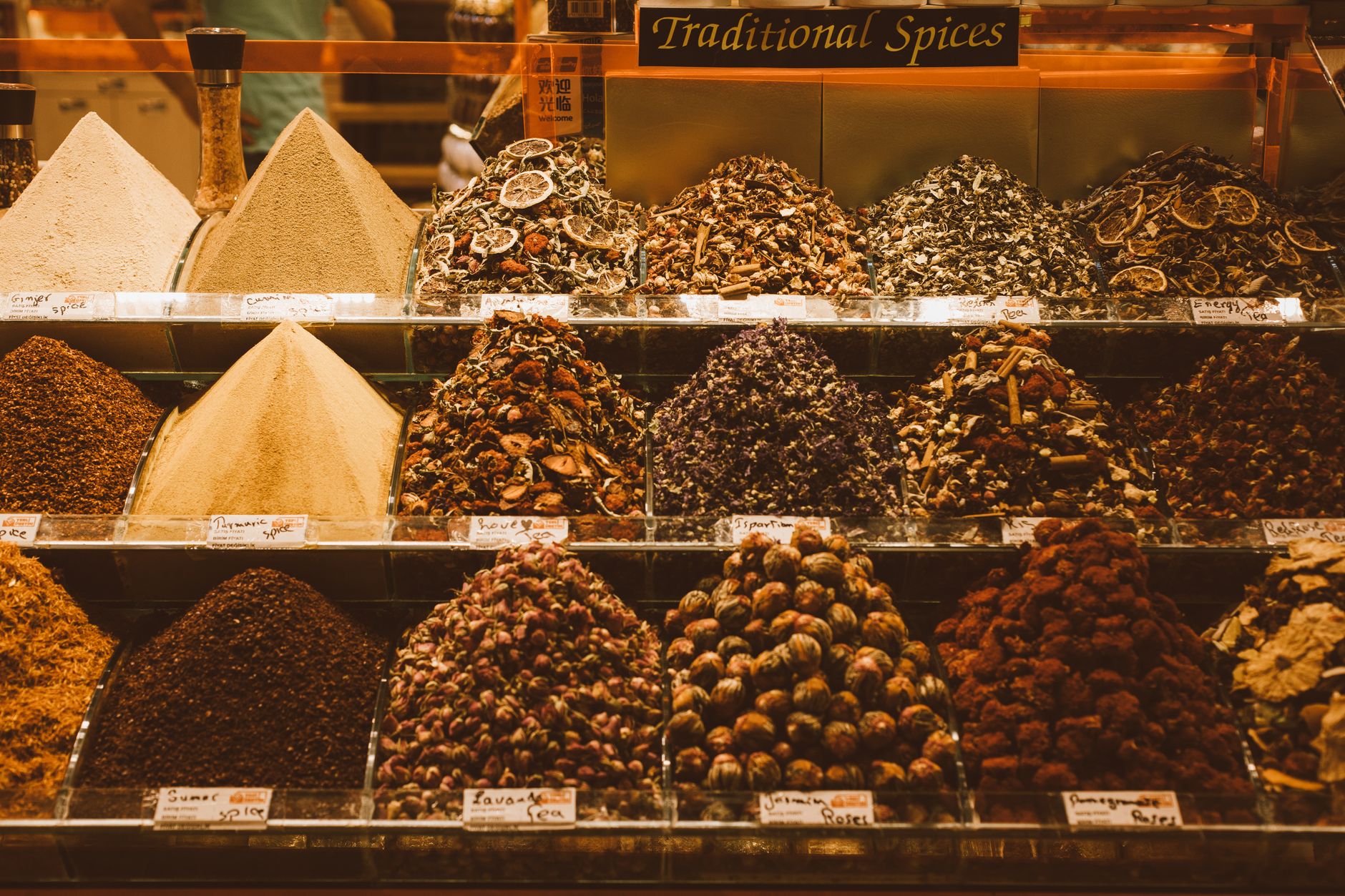
Italian seasoning is a blend of various dried herbs typically used to enhance the flavors of many dishes, including pasta, sauces, and roasted vegetables. If you are following a low FODMAP diet, understanding whether this seasoning works for your meal planning is crucial.
This article will explore the components of Italian seasoning, determine its suitability for a low FODMAP diet, and provide handy cooking tips and suggestions for substitutions. Whether you’re a seasoned cook or just starting, this information can help you maintain flavor without causing digestive distress.
Is Italian Seasoning Low FODMAP?
Generally, Italian seasoning can be considered low FODMAP. It typically consists of herbs such as oregano, basil, thyme, rosemary, and marjoram, which are low in FODMAPs. However, the exact composition can vary, and it’s crucial to check for any added ingredients that might contain high FODMAP elements.
Understanding FODMAPs and Their Impact
FODMAPs are a group of short-chain carbohydrates that can be poorly absorbed in the small intestine, leading to symptoms for those with irritable bowel syndrome (IBS) or similar conditions. The term FODMAP stands for:
- Fermentable
- Oligosaccharides
- Disaccharides
- Monosaccharides
- Polyols
High FODMAP foods can trigger bloating, gas, and discomfort. For individuals sensitive to FODMAPs, it is essential to stick to low FODMAP options, especially when using pre-packaged seasonings and blends.
Common Ingredients in Italian Seasoning
Italian seasoning primarily includes dried herbs that are naturally low FODMAP. The most common ingredients and their FODMAP status include:
- Oregano: Low FODMAP
- Basil: Low FODMAP
- Thyme: Low FODMAP
- Rosemary: Low FODMAP
- Marjoram: Low FODMAP
Some blends may include garlic powder or onion powder, both of which are high FODMAP. It’s essential to read the ingredient label carefully if purchasing pre-mixed Italian seasoning.
Which Brands Offer Low FODMAP Italian Seasoning?
When purchasing Italian seasoning, look for brands that specifically state they are free from garlic or onion. Some brands to consider include:
- McCormick Italian Seasoning: Does not contain garlic or onion.
- Simply Organic Italian Seasoning: Always check the specific product for ingredient verification.
- Penzeys Spices: Offers a blend that can be made low FODMAP if you select the right base herbs.
Reading the labels of any seasoning blends is crucial to avoid hidden FODMAPs.
Cooking With Italian Seasoning on a Low FODMAP Diet
Using Italian seasoning in your cooking can add delightful flavor to meals while adhering to a low FODMAP diet. Here are some practical tips for using this seasoning:
Flavoring Sauces
When making sauces, such as marinara or tomato sauce, add one to two teaspoons of Italian seasoning for a burst of flavor. If you are preparing a dish with garlic-infused oil, you can use that oil as your base without worrying about whole garlic pieces, keeping the dish low FODMAP.
Spicing Up Roasted Vegetables
Create a delicious roasted vegetable medley by tossing low FODMAP vegetables—such as carrots, zucchini, bell peppers, and green beans—with olive oil and Italian seasoning. Roast them at 400°F (200°C) for about 25-30 minutes until tender and slightly caramelized.
Seasoning Meats
Italian seasoning pairs wonderfully with poultry, pork, and beef. Use it to marinate your proteins. Combine two tablespoons of olive oil, one tablespoon of Italian seasoning, salt, and pepper, and marinate your protein for 30 minutes before grilling or baking.
Making Low FODMAP Pasta Dishes
For pasta dishes, consider using gluten-free pasta if necessary. Add your Italian seasoning to the sauce or directly to cooked pasta with a drizzle of olive oil, salt, and pepper, topping with grated Parmesan for a low FODMAP meal.
Substitutions for Italian Seasoning
If you’re looking to create your own Italian seasoning blend or find suitable alternatives, consider these low FODMAP substitutes:
- Basil: Use fresh basil for a vibrant alternative or replace it with fresh parsley if preferred.
- Oregano: Marjoram can work as a milder substitute.
- Thyme: Tarragon has a similar flavor profile and can be a reliable replacement.
Common Mistakes When Using Italian Seasoning
Here are typical pitfalls to avoid when using Italian seasoning in your cooking:
- Overuse: It’s easy to think more seasoning equals better flavor. However, overusing a blend can overpower a dish. Start with a small pinch and adjust according to taste.
- Installing in Recipe Too Late: Adding seasoning at the end of cooking might not allow it to release its flavors fully. Consider adding it early in the cooking process.
- Not Adjusting for Fresh Herbs: If substituting dried herbs with fresh, remember that fresh herbs are generally more potent. Use about three times the amount of fresh herbs as dried.
Meal Ideas Using Italian Seasoning
To help you create enjoyable dishes while on a low FODMAP diet, consider the following meal ideas:
Italian-Style Chicken Breasts
Coat chicken breasts with Italian seasoning and sauté in olive oil for a quick, flavorful meal. Serve alongside a side of green beans and roasted potatoes.
Pasta Salad with Vegetables
Combine gluten-free pasta with chopped bell peppers, olives, and cherry tomatoes. Toss with olive oil, vinegar, and Italian seasoning for a refreshing cold pasta salad.
Italian-Style Vegetable Soup
Simmer low FODMAP vegetables such as carrots, zucchini, and spinach in broth with Italian seasoning for an easy, comforting soup. Add some cooked rice or quinoa for texture.
Storing Italian Seasoning
To maintain the potency and flavor of your Italian seasoning, store it in a cool, dark place, away from heat and moisture. An airtight container is ideal. Properly stored, dried herbs can last up to one year. However, regularly check for potency by smelling or tasting to ensure quality.
Conclusion
Italian seasoning is typically low FODMAP and can be utilized to elevate the flavor of various dishes without the worry of digestive discomfort. By choosing the right brands or making your own blend, you can enjoy the aromatic goodness of Italian herbs while following your dietary needs.
For more delicious meal ideas, check out our pasta and peas recipe and traditional Italian pasta fagioli recipe. Happy cooking!