
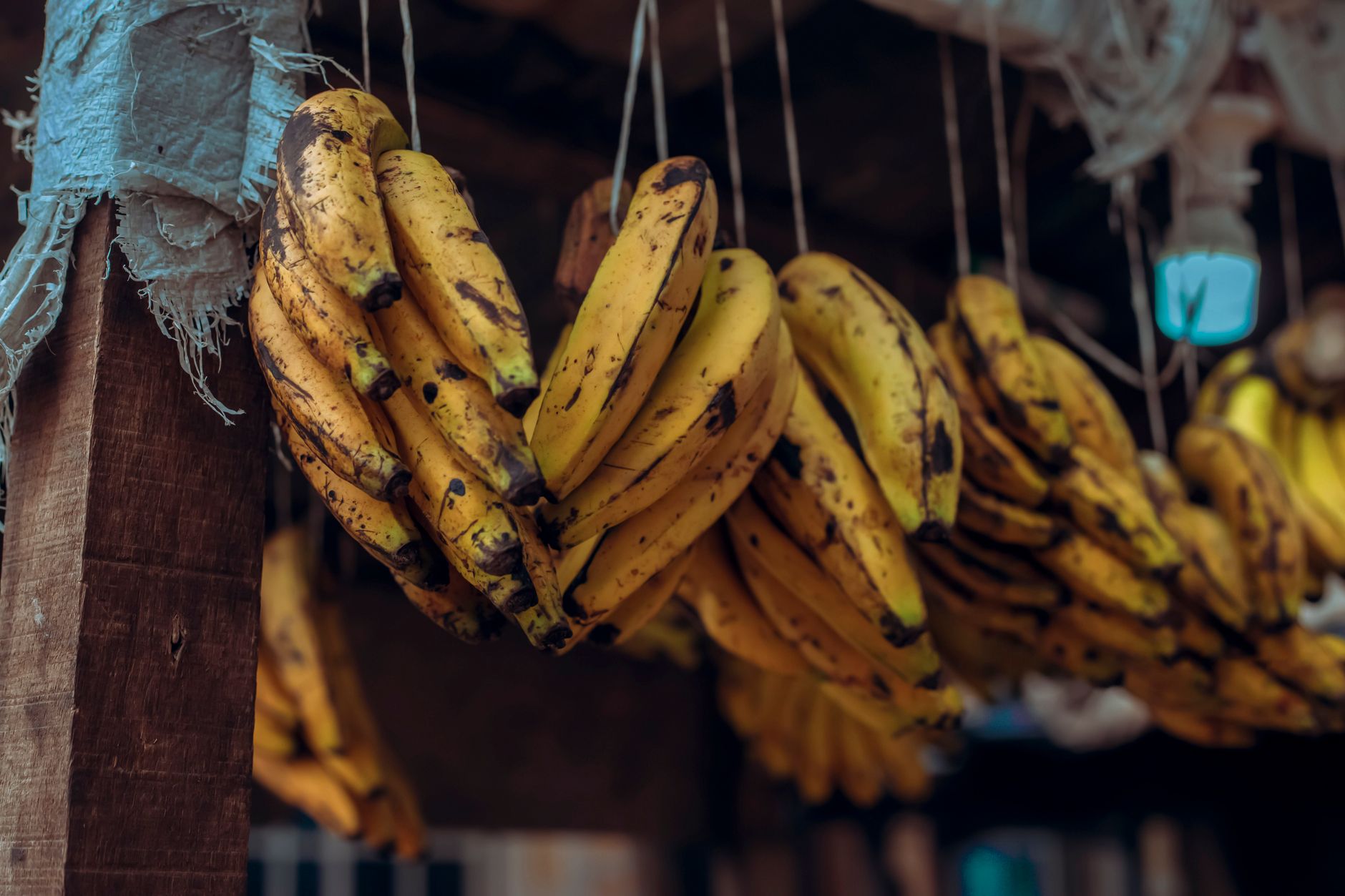
Bananas are a beloved fruit enjoyed by many, known for their convenience and natural sweetness. However, a common question arises: is it okay to eat a banana every day? This article will explore the nutritional benefits of bananas, their health implications, and ways to incorporate them into your daily diet.
With their high fiber and potassium content, bananas are not only delicious but also offer various health benefits. Let’s delve deeper into what makes bananas a suitable choice for daily consumption and how they can fit seamlessly into various meals and snacks.
Is It Okay to Eat a Banana Every Day?
Yes, eating a banana every day can be a healthy choice for most people. They are rich in essential nutrients, including fiber, potassium, and vitamins, which can contribute positively to your overall health. However, moderation is key, and individual dietary needs may vary.
Nutritional Profile of Bananas
Bananas are packed with essential nutrients, making them a great addition to your diet. Here’s a breakdown of the nutrients found in a medium banana (approximately 118 grams):
- Calories: 105
- Carbohydrates: 27 grams
- Dietary Fiber: 3 grams
- Sugar: 14 grams
- Protein: 1.3 grams
- Fat: 0.3 grams
- Potassium: 422 mg (12% of the daily recommended intake)
- Vitamin C: 17% of the daily recommended intake
- Vitamin B6: 20% of the daily recommended intake
Health Benefits of Eating Bananas Daily
Integrating bananas into your daily diet provides several health benefits:
1. Rich Source of Potassium
Potassium is an essential mineral that helps maintain proper nerve and muscle function. A diet rich in potassium may reduce the risk of hypertension and aid in cardiovascular health.
2. Aids Digestion
Bananas contain dietary fiber, which can help regulate the digestive system. Fiber promotes bowel regularity and can prevent constipation.
3. Provides Quick Energy
Due to their carbohydrate content, bananas are a great source of quick energy. They are an excellent pre- or post-workout snack, offering a natural boost before or after exercise.
4. Supports Heart Health
The potassium in bananas can contribute to lowering blood pressure, which is beneficial for heart health. Additionally, the fiber content helps reduce cholesterol levels.
5. Mood Enhancer
Bananas contain tryptophan, which the body converts into serotonin, a neurotransmitter associated with mood regulation. Consuming bananas can help improve mood and reduce symptoms of anxiety or depression.
How to Incorporate Bananas Into Your Daily Diet
There are numerous creative and delicious ways to enjoy bananas throughout your day:
1. Breakfast Ideas
- Banana Smoothie: Blend a banana with yogurt, spinach, and a scoop of protein powder for a nutritious breakfast.
- Overnight Oats: Mix oats with almond milk, sliced bananas, and chia seeds for an easy overnight breakfast.
- Pancake Topping: Add sliced bananas and a drizzle of honey or maple syrup to your pancakes.
2. Lunch Options
- Banana and Nut Butter Sandwich: Spread almond or peanut butter on whole-grain bread and add banana slices for a filling lunch.
- Salad Booster: Add sliced bananas to a mixed green salad with nuts for extra sweetness and texture.
3. Snacking Suggestions
- Banana Chips: Dehydrate banana slices for a crunchy snack.
- Banana and Yogurt Parfait: Layer sliced bananas with yogurt and granola for a satisfying afternoon snack.
4. Dessert Ideas
- Banana Bread: Use ripe bananas to make a moist and flavorful banana bread.
- Chocolate-Dipped Bananas: Dip banana slices in melted chocolate for a quick treat.
Potential Downsides of Daily Banana Consumption
While bananas are highly nutritious, there are a few considerations to keep in mind:
1. Sugar Content
Bananas contain natural sugars, which can contribute to your overall sugar intake. For those monitoring sugar consumption (like individuals with insulin resistance or diabetes), it’s vital to balance banana consumption with other low-sugar foods.
2. Caloric Intake
Eating a banana daily may contribute to overall caloric intake. If you’re trying to lose weight, consider moderating your banana intake and balancing it with lower-calorie fruits and vegetables.
3. Allergies or Sensitivities
Some people may experience allergies or sensitivities to bananas, particularly those allergic to latex. If you notice adverse reactions when consuming bananas, consult with a healthcare professional.
Tips for Selecting and Storing Bananas
To maximize the freshness and flavor of bananas, consider these selection and storage tips:
Choosing the Right Banana
- Look for bananas that are firm and free of dark spots (which can indicate overripeness).
- Choose bananas that are bright yellow and slightly green at the ends for peak ripeness.
- Avoid bananas that are overly soft or have large dark patches.
Storage Tips
- Keep bananas at room temperature. If you want to slow down ripening, store them in the fridge. The skin might darken, but the banana inside will stay fresh longer.
- To ripen bananas quickly, place them in a paper bag at room temperature with an apple or tomato.
- If bananas become overripe, consider freezing them for future smoothies or baking.
Alternatives and Variations to Consider
If you’re looking to diversify your fruit intake, here are some alternatives to bananas that provide similar health benefits:
- Avocado: High in healthy fats and potassium, avocados can also provide energy and enhance heart health.
- Mango: Another sweet fruit that is rich in vitamins and offers a similar texture when ripe.
- Apples: Low in calories and high in fiber, apples can be a great low-sugar snack option to balance out your diet.
Expert Recommendations and Guidelines
While a banana a day can be beneficial, it is important to consider the following guidelines:
- Aim to incorporate a variety of fruits and vegetables into your diet for a well-rounded intake of nutrients.
- Consult with a registered dietitian or healthcare provider if you have specific dietary concerns, such as diabetes or weight management.
- Moderation is essential; balancing your fruit intake with other food groups will promote overall health.
Common Questions and Concerns
Here are some frequently asked questions regarding daily banana consumption:
1. Can eating a banana every day help with weight loss?
While bananas can contribute to a balanced diet, weight loss depends on total caloric intake and activity levels. Including bananas as part of a calorie-controlled diet may support weight management.
2. Are there any health risks associated with eating too many bananas?
Consuming too many bananas can lead to excessive potassium intake, resulting in hyperkalemia (high potassium levels) in extreme cases. It is unlikely to occur with moderate consumption.
3. Can bananas contribute to bloating or digestive discomfort?
For some individuals, increased fiber consumption through bananas can lead to digestive issues, particularly if introduced suddenly. Gradually increase fiber intake and ensure adequate hydration to mitigate these effects.
Conclusion
Incorporating a banana into your daily diet can offer numerous health benefits, from supporting heart health to enhancing mood. These versatile fruits can be enjoyed in various meals and snacks, making them a practical choice for daily consumption. Remember, balance and moderation are essential components of a healthy diet, so consider enjoying a variety of fruits to meet your nutritional needs.
For more insights on bananas, check out how much fiber is in a banana and learn about where bananas come from.