
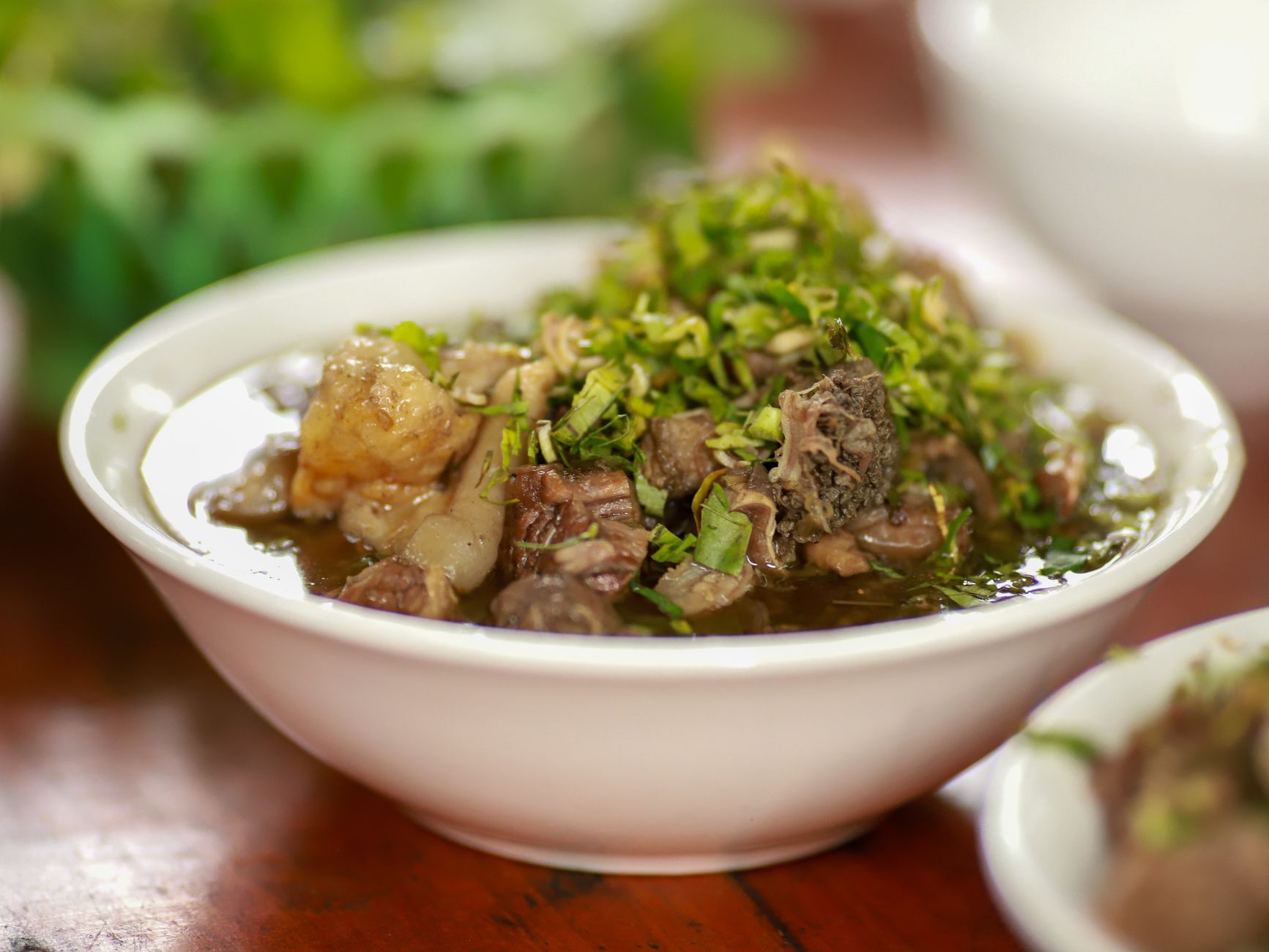
Horse meat has long been a part of culinary traditions in various countries around the world. While its consumption may raise eyebrows in some cultures, in others, it forms an integral part of the culinary landscape. Understanding where horse meat is eaten helps to appreciate different food cultures and culinary practices.
This article explores the countries where horse meat is commonly consumed, the unique ways it is prepared, and some food facts worth knowing. Join us in examining the traditions associated with this unique ingredient.
What Countries Eat Horse Meat?
Horse meat is consumed in several countries, often reflecting cultural norms and historical practices. Countries that are known for eating horse meat include Japan, Italy, France, Kazakhstan, Belgium, and Switzerland, among others. Horse meat is appreciated for its distinct flavor and nutritional benefits, similar to other meats.
Countries Known for Horse Meat Consumption
1. Japan
In Japan, horse meat, known as “sakuraniku,” is consumed both raw and cooked. One of the most popular dishes is “basashi,” which consists of thinly sliced raw horse meat served with condiments such as soy sauce and garlic. Horse meat is valued for its rich flavor and lean quality, and it is often found in specialty restaurants dedicated to this delicacy.
2. Italy
Italy has a long-standing tradition of horse meat consumption, particularly in regions such as Veneto and Emilia-Romagna. Horse meat is often used in dishes like “spezzatino,” a stew made with tender horse meat cubes, vegetables, and red wine. Additionally, horse meat sausages are quite popular, showcasing regional ingredients and flavors.
3. France
Horse meat has been a part of French cuisine since the Middle Ages and is particularly popular in regions like Normandy. In France, it is often found in butcher shops and can be prepared in various ways, including stews, tartare, or served as steaks. Dishes like “bifteck de cheval” feature horse meat as a lean protein option.
4. Kazakhstan
Kazakhstan has a deep-rooted cultural connection with horses, making horse meat a staple in Kazakh cuisine. “Beshbarmak” is a traditional dish made from boiled horse meat served over pasta and topped with onions and broth. It is often served during special occasions and reflects the lifestyle of nomadic peoples.
5. Belgium
In Belgium, horse meat is enjoyed in various forms, including as steaks or in sausages. It is typically seen in butcher shops and is sometimes featured in traditional dishes like “filet de cheval.” The flavor is often described as slightly sweeter than beef, making it a unique addition to the culinary scene.
6. Switzerland
Switzerland is known for its high-quality horse meat, and it can be found in various dishes such as stews and roasts. One notable dish is “poulet de cheval,” a slow-cooked horse meat dish that accentuates the meat’s flavor. Swiss butchers take pride in the quality of their horse meat, emphasizing local sourcing and sustainable practices.
Understanding Horse Meat’s Culinary Uses
Horse meat can be cooked and enjoyed in several ways, each method highlighting its flavors and textures. Here are some popular preparations:
Stews and Braises
Horse meat is well-suited for slow cooking methods like stewing and braising. These techniques allow the meat to become tender while infusing it with the flavors of the cooking liquid and accompanying ingredients. Common components for stews may include vegetables like carrots, potatoes, and onions, along with spices and herbs.
Grilling and Roasting
Horse steaks can be grilled or roasted to achieve a caramelized exterior while maintaining the meat’s juicy texture. It is essential to monitor cooking time closely, as overcooking can lead to a tougher texture. When cooked correctly, horse meat can offer an enjoyable, tender dining experience.
Raw Preparations
In countries like Japan, raw horse meat is celebrated for its freshness and quality. Known as sashimi or tartare, it is typically served with soy sauce or other dipping sauces. When preparing raw horse meat, sourcing high-quality, fresh cuts is critical, as well as ensuring proper food safety standards.
Sausages and Charcuterie
Horse meat is often used to make various sausage types in countries like Italy and Belgium. These sausages can include other flavors, such as spices or herbs, and are popular for grilling or serving as part of a charcuterie board. They provide an opportunity to experience horse meat in a more approachable form.
Nutritional Aspects of Horse Meat
Horse meat is not only flavorful but also provides a variety of nutritional benefits:
- Lean Protein: Horse meat is a great source of lean protein, making it a healthy choice for those looking to increase their protein intake without excessive fat.
- Rich in Iron: Horse meat is high in iron, which is essential for maintaining healthy blood and preventing anemia.
- Vitamins and Minerals: Aside from iron, horse meat contains B-vitamins, particularly vitamin B12, which is crucial for energy metabolism and overall health.
- Low in Fat: Compared to other meats, horse meat generally has lower fat content, particularly saturated fat, making it a preferable choice for health-conscious consumers.
Where to Buy Horse Meat
Horse meat can be found in select butcher shops, specialty markets, and some grocery stores, particularly those focusing on international or gourmet foods. It is essential to seek out a reliable source known for quality and ethical sourcing practices. Here are some tips for purchasing horse meat:
- Seek Specialty Butchers: Many regions with a horse meat culture have specialty butchers or markets that offer high-quality cuts.
- Ask About Sourcing: When purchasing horse meat, don’t hesitate to ask about the source and handling practices to ensure quality and safety.
- Check for Freshness: Look for fresh cuts with a bright red color and minimal odor. Fresh meat should not have a slimy texture.
Food Safety and Cooking Tips
When preparing horse meat, proper food safety practices should be followed:
- Thaw Properly: If frozen, thaw meat in the refrigerator rather than at room temperature to minimize bacterial growth.
- Cook Thoroughly: While some may enjoy raw preparations, ensure that any cooked horse meat reaches a safe internal temperature. Use a food thermometer to check doneness.
- Prevent Contamination: Separate horse meat from other foods to avoid cross-contamination. Use separate cutting boards and utensils.
Common Mistakes and Troubleshooting
When cooking with horse meat, there are a few common pitfalls to avoid:
- Overcooking: Horse meat can dry out if overcooked, particularly in grilling or roasting. Maintain a close watch on cooking times.
- Neglecting Marinades: Horse meat benefits from marinating, which can enhance flavor and tenderness. Don’t skip this step.
- Ignoring Quality: The flavor of horse meat is closely tied to its quality. Always choose high-quality meat from reputable sources.
Serving Suggestions
When serving dishes that feature horse meat, consider pairing them with suitable sides that complement the meat’s flavor:
- Starchy Sides: Mashed potatoes, polenta, or rice can make excellent accompaniments.
- Vegetable Dishes: Roasted or sautéed seasonal vegetables pair well with the rich flavors of horse meat.
- Salads: A fresh salad with a citrus vinaigrette can balance the meat’s richness effectively.
Horse Meat in Culinary Traditions
Various cultural festivities incorporate horse meat into traditional meals. Here are a few notable practices:
Kazakh Celebrations
Horse meat plays a significant role in Kazakh culture, particularly during celebrations like weddings and national holidays. Dishes using horse meat celebrate local customs and communal feasting.
Italian Festivals
In Italy, regional festivals often highlight horse meat, showcasing traditional recipes and artisanal techniques. Visitors can experience the depth of Italian culinary heritage through these dishes.
French Culinary Events
In France, some culinary festivals focus on heritage meats, including horse. Local butchers may provide tastings and demonstrations, helping preserve the rich traditions surrounding horse meat.
Conclusion
Horse meat continues to hold a special place in the culinary traditions of many countries. Its unique flavor, nutritional benefits, and versatile preparation methods make it worth exploring for adventurous eaters. Whether you’re a connoisseur of international cuisine or curious about different culinary practices, horse meat offers a fascinating insight into the diverse world of gastronomy.
Explore more gastronomic topics, join us for insights on various ingredients, and enhance your culinary journey. Discover our guides and tips on unique food selections to further enrich your kitchen experiences.