
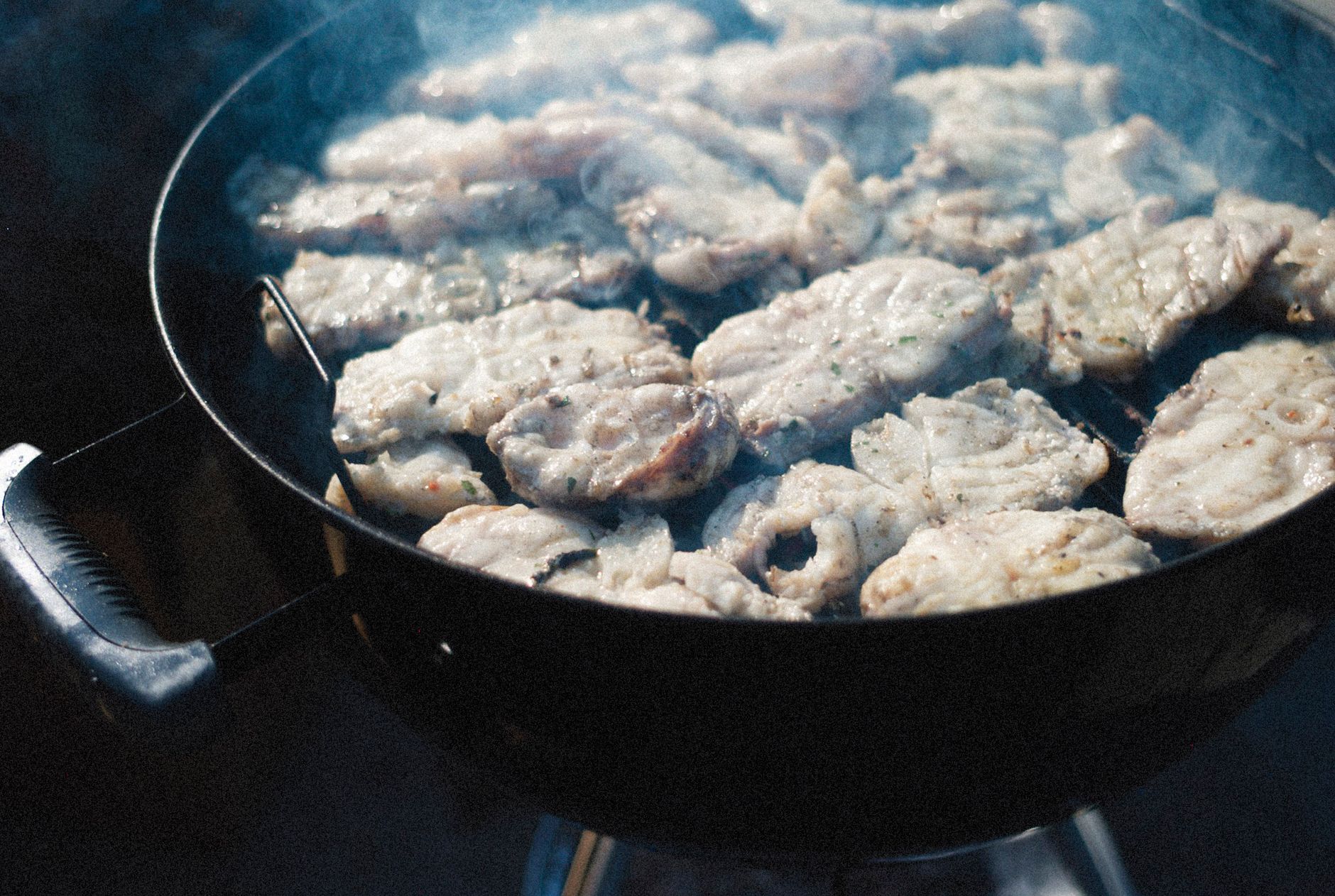
Barracuda is an intriguing fish known for its distinctive appearance and predatory behavior. Enthusiasts often wonder if it’s safe to eat and how its flavor compares to more common seafood options. This article provides a comprehensive overview of barracuda, including its culinary uses, preparation techniques, and serving ideas.
In addition to delving into the taste and safety of barracuda, we will explore its nutritional profile and some practical tips for cooking and storing this unique fish. With the right guidance, you can confidently incorporate barracuda into your meals.
Is Barracuda Good to Eat?
Yes, barracuda is good to eat, provided it is prepared properly. This fish has a firm, meaty texture and a mild flavor, making it popular in various cuisines. However, caution is advised due to potential health risks like ciguatera poisoning, which can occur in larger specimens.
Understanding Barracuda
Barracuda belongs to the Sphyraenidae family, generally found in warmer seas around the world. These predatory fish are recognized for their elongated bodies, sharp teeth, and remarkable speed. While they are respected by sport fishermen, they have a particular position in culinary traditions, especially in coastal regions.
Flavor Profile and Texture
The flesh of barracuda is white and dense, similar to that of grouper or snapper. It has a mild taste that can take on flavors well, lending itself to various seasonings and marinades. When cooked, barracuda presents a flaky texture that is delightful to the palate.
Potential Concerns: Ciguatera Poisoning
Ciguatera poisoning is a major concern with eating barracuda, especially larger fish. This toxin accumulates in the fish as they consume smaller toxic organisms in reef environments. Symptoms can include nausea, vomiting, or neurological effects and may last for weeks. To minimize this risk, it’s advisable to consume smaller barracuda and avoid fish from known ciguatera-prone areas.
How to Choose Fresh Barracuda
When shopping for barracuda, selecting the freshest options is vital for quality and safety. Here are some tips on how to choose the best barracuda:
- Look for clear, bright eyes, which indicate freshness.
- The flesh should be firm and resilient to pressure.
- Avoid fish with a strong, fishy odor.
- The skin should be shiny and moist.
Preparation Techniques for Barracuda
Preparing barracuda is similar to other flaky white fish. Below are some popular methods to prepare and enjoy barracuda.
Grilling Barracuda
Grilling enhances the natural flavors of barracuda while imparting a smoky aroma. Here’s how:
- Clean and scale the barracuda, and if it’s a whole fish, gut it as well.
- Marinate the fish for at least 30 minutes before grilling. A simple marinade of olive oil, lemon juice, garlic, and herbs works well.
- Preheat the grill to medium-high heat.
- Place the fish on the grill, skin-side down. Cook for about 6-8 minutes, then flip it carefully for 5-6 more minutes until the flesh flakes easily with a fork.
Baking Barracuda
For a simple and nutritious meal, baking is an excellent option for barracuda.
- Preheat the oven to 375°F (190°C).
- Clean the barracuda and place it in a baking dish.
- Season as desired—try using salt, pepper, lemon slices, and fresh herbs.
- Bake for about 20-25 minutes, or until the flesh is opaque and flakes easily.
Frying Barracuda
Frying barracuda can deliver a delicious crispy exterior while keeping the inside moist.
- Cut the fish into fillets or steaks.
- Season with salt, pepper, and your choice of spices.
- Heat oil in a frying pan over medium-high heat.
- Coat the fish in flour or breadcrumbs for extra crunch. Fry for about 4-5 minutes on each side until golden brown.
Serving Suggestions
Once prepared, barracuda can be enjoyed in various ways. Here are some serving ideas:
- Serve grilled barracuda with a fresh mango salsa for a tropical twist.
- Pair baked barracuda with steamed vegetables and quinoa for a wholesome meal.
- Fried barracuda can be served in tacos with cabbage slaw and avocado for a delightful handheld option.
Nutritional Profile of Barracuda
Barracuda is not only tasty but also offers a range of nutritional benefits. It is a good source of protein and contains omega-3 fatty acids, which are essential for heart health. Additionally, barracuda provides vitamins and minerals, including vitamin D, selenium, and B vitamins.
Storage and Handling Tips
Proper storage is critical to maintaining the quality of barracuda. Here are some essential tips:
- Store fresh barracuda in the coldest part of the refrigerator, ideally wrapped in parchment or wax paper.
- Consume fresh barracuda within two days for optimal taste and safety.
- If freezing, wrap in airtight plastic or vacuum-seal and store in the freezer for up to three months.
Thawing Frozen Barracuda
To safely thaw frozen barracuda, place it in the refrigerator overnight or submerge it in cold water for a few hours. Avoid thawing at room temperature, as this can promote bacterial growth.
Common Mistakes When Cooking Barracuda
While preparing barracuda, there are some pitfalls to watch out for:
- Overcooking: Barracuda can dry out if overcooked, so keep an eye on the cooking time.
- Improper seasoning: Due to its mild flavor, barracuda benefits from generous seasoning; do not under-season.
- Not removing the bones: If cooking whole barracuda, be cautious of bones while serving.
Exploring Barracuda in Different Cuisines
Barracuda is enjoyed in various culinary traditions worldwide, from Caribbean dishes to Asian flavor profiles.
Caribbean Dishes
In the Caribbean, barracuda is often prepared with citrus marinades and fried or grilled, served with rice and peas or plantains.
Asian Influences
Asian cuisines may incorporate barracuda in stir-fries with vegetables or grilled alongside lemongrass and served with rice.
Pacific Island Cuisine
In the Pacific Islands, barracuda is a common choice for traditional feasts, often cooked whole and served with coconut-based sauces.
Conclusion
Barracuda is a delightful and versatile fish that can be safely enjoyed with the right precautions. Its mild flavor, firm texture, and adaptability to various cooking methods make it an excellent addition to any seafood lover’s repertoire. By being mindful of preparation methods and sourcing practices, you can savor this unique fish while enjoying its nutritional benefits.
If you’re interested in expanding your culinary horizons, consider exploring additional recipes or cooking tips. Discover more unique seafood recipes and techniques to elevate your cooking experience.