
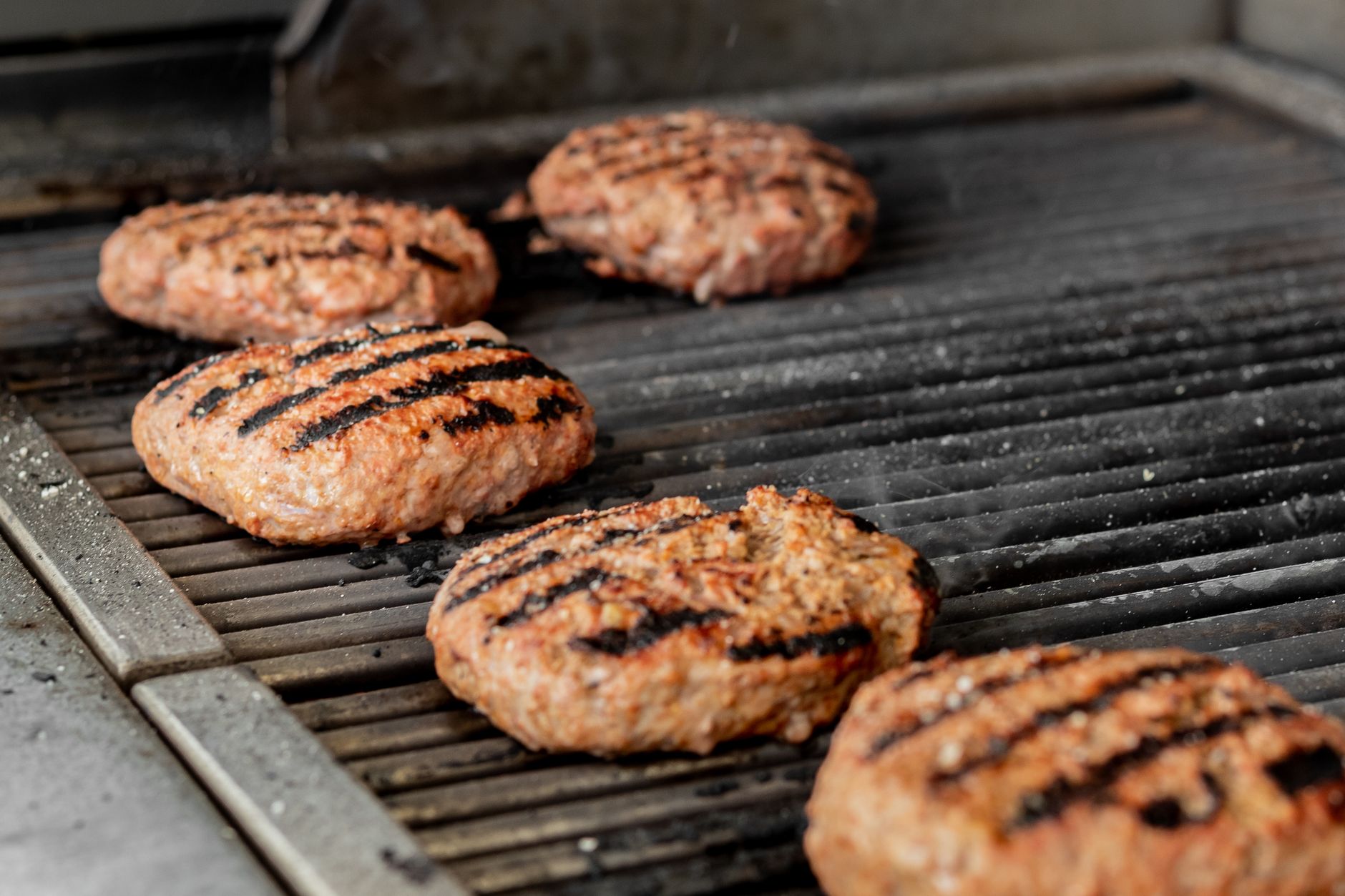
The Impossible Burger has gained significant popularity as a plant-based alternative to traditional beef burgers. Many consumers are curious about its ingredients and whether it aligns with a vegan diet. This article will explore the components of the Impossible Burger, investigate the vegan status of its ingredients, and provide insights into where it fits within a broader plant-based lifestyle.
By understanding what makes up the Impossible Burger, you can make a more informed decision when considering whether to include it in your vegan meal choices. In addition to diving into the ingredients, we will discuss how it compares to other plant-based options and what you should look for when evaluating vegan products.
Is Impossible Burger Vegan?
Yes, the Impossible Burger is considered vegan. Its primary ingredients are derived from plants, and it does not contain animal products. However, there are caveats related to ingredient sourcing and manufacturing processes that are essential to assess.
The Ingredient Breakdown of Impossible Burger
To understand why the Impossible Burger is vegan, let’s closely examine its main ingredients. Each component contributes to its unique flavor, texture, and nutritional value.
- Water: The primary ingredient, providing the necessary moisture to create a juicy burger.
- Soy Protein Concentrate: This ingredient gives the Impossible Burger its protein punch and replicates the texture of meat.
- Potato Protein: Another source of protein that improves the overall texture.
- Coconut Oil: This provides fat to create a rich, satisfying mouthfeel similar to traditional beef burgers.
- Sunflower Oil: Enhances the burger’s juiciness and adds additional healthy fats.
- Apple Extract: Used as a natural antioxidant to enhance shelf life.
- Coloring Agents (such as Beetroot Red): Provides the aesthetically appealing pink color that mimics raw meat.
- Vitamins and Minerals: These include B12, B6, and D, which are often of concern for those following a vegan diet.
- Flavoring: Natural flavors derived from plant sources give the Impossible Burger its savory taste.
- Yeast Extract: Adds to the umami flavor profile, contributing to a meat-like taste.
- Stabilizers and Emulsifiers: These help maintain the texture and consistency of the burger.
Understanding the Vegan Status of Impossible Burger Ingredients
While most of the ingredients in the Impossible Burger are plant-based, there are considerations regarding processing and sourcing. The key focus is on two main ingredients: soy protein and heme.
Soy Protein and its Vegan Compliance
Soy protein is a common ingredient in many vegan products. However, it is essential to ensure that the soy used in the Impossible Burger comes from sustainable sources. Impossible Foods has committed to using non-GMO soybeans, which many vegans find reassuring.
The Heme Factor
One of the distinguishing features of the Impossible Burger is its use of heme, a molecule that is naturally found in both plants and animals. The heme used in the Impossible Burger is derived from soy leghemoglobin, which is produced by genetically modified yeast. This genetic modification raises some concerns among certain vegans who prefer not to consume any genetically engineered ingredients. However, Impossible Foods states that the process used to create heme is similar to traditional fermentation methods and is safe for human consumption.
Comparing Impossible Burger to Other Vegan Burgers
The market is saturated with plant-based burger alternatives. Comparing the Impossible Burger to others like Beyond Meat or homemade bean burgers can help gauge its appeal within the vegan community.
Impossible Burger vs. Beyond Meat
Both the Impossible Burger and Beyond Burger are designed to replicate beef’s flavor and texture. While the ingredients in both are primarily plant-based, the key differences are in flavor, fat content, and the presence of heme in the Impossible Burger. The Beyond Burger uses pea protein as its primary source of protein, while the Impossible Burger uses soy.
Homemade Vegan Burger Options
For those who prefer to control their ingredients, homemade vegan burgers can be made from a variety of ingredients such as black beans, lentils, chickpeas, or vegetables. These options can be much lower in fat and tailored to fit individual dietary needs.
The Nutritional Value of Impossible Burger
The Impossible Burger contains comparable protein content to traditional beef burgers but differs in fat content and caloric value. Here is a rough breakdown of its nutritional profile per patty:
| Nutrient | Value per Patty (113g) |
|---|---|
| Calories | 240 |
| Protein | 19g |
| Fat | 14g |
| Carbohydrates | 9g |
| Fiber | 3g |
| Sodium | 370mg |
While the Impossible Burger is a good source of protein, it is also essential to consider its sodium content, which can be higher than some traditional or homemade burger options. Proper meal planning can help ensure a balanced diet while including products like the Impossible Burger.
How to Cook and Enjoy the Impossible Burger
The Impossible Burger can be cooked on the stovetop, on a grill, or even in an air fryer. Here’s how to prepare it properly:
Cooking Instructions
- Preheat a grill or skillet over medium-high heat.
- If using a skillet, lightly oil the pan to prevent sticking.
- Place the Impossible Burger patty on the cooking surface and let it sear for about 2-3 minutes without moving it.
- Flip the patty and continue cooking for another 2-3 minutes until it reaches a minimum internal temperature of 160°F (71°C).
- Add your favorite toppings and serve on a bun, or opt for a lettuce wrap for a lighter version.
Serving Suggestions
The Impossible Burger pairs well with traditional toppings like lettuce, tomatoes, onions, and pickles. For a gourmet touch, consider adding avocado, sriracha, or a vegan cheese slice. Incorporating a variety of colorful toppings not only enhances the flavor but also boosts the nutritional profile of your meal.
Storage and Reheating Guidelines
If you find yourself with leftover cooked Impossible Burger patties, you can store them in an airtight container in the refrigerator for up to three days. For longer storage, freezing them is an option; however, be mindful that texture may change slightly upon reheating.
Reheating Instructions
- Thaw the patties overnight in the fridge if previously frozen.
- Using a skillet over medium heat, reheat the patties for about 3-4 minutes on each side until hot.
- Alternatively, use a microwave for quick reheating, but be careful not to overcook.
Are There Vegan Options When Eating Out?
As plant-based diets gain popularity, many restaurants now offer the Impossible Burger on their menus, particularly in burger joints and fast-casual dining establishments. However, when ordering, it is crucial to confirm that the accompaniments and preparation methods align with vegan principles. Here are tips to ensure a vegan dining experience:
- Inquire about sauces and toppings to ensure they are plant-based.
- Check if the burger is cooked on the same grill as meat items to avoid cross-contamination.
- Always ask the staff for their vegan options and preferences before making your choice.
Common Concerns about the Impossible Burger
Despite its growing popularity, the Impossible Burger faces some scrutiny. Here are commonly raised concerns and responses:
Genetic Modification
Some consumers are wary of genetically modified ingredients, particularly the soybean-derived heme. Those with concerns should research the brand’s sourcing and consider their preferences regarding GMOs.
The Sodium Content
Another common concern is the sodium content. If you’re monitoring your sodium intake, consider balancing your meal with low-sodium sides or additional vegetables to maintain overall dietary goals.
Environmental Impact
While plant-based options are generally seen as more environmentally friendly compared to animal agriculture, it’s essential to consider the entire supply chain and carbon footprint of food production. Impossible Foods advocates for sustainable sourcing and aims to reduce the environmental impact of meat alternatives.
Conclusion
The Impossible Burger is indeed vegan, primarily comprised of plant-based ingredients, and has become a popular choice among those seeking meat alternatives. Despite some concerns related to genetic engineering and sodium content, it serves as a high-protein option that can fit well within a balanced vegan diet. Whether grilled, sautéed, or included in a homemade meal, the Impossible Burger provides a satisfying experience for both vegans and flexitarians alike.
For those interested in exploring more vegan options, consider checking out our posts on Is Chocolate Vegan? and Chia Pudding Recipe with Coconut Milk for more delicious and plant-friendly recipes.