
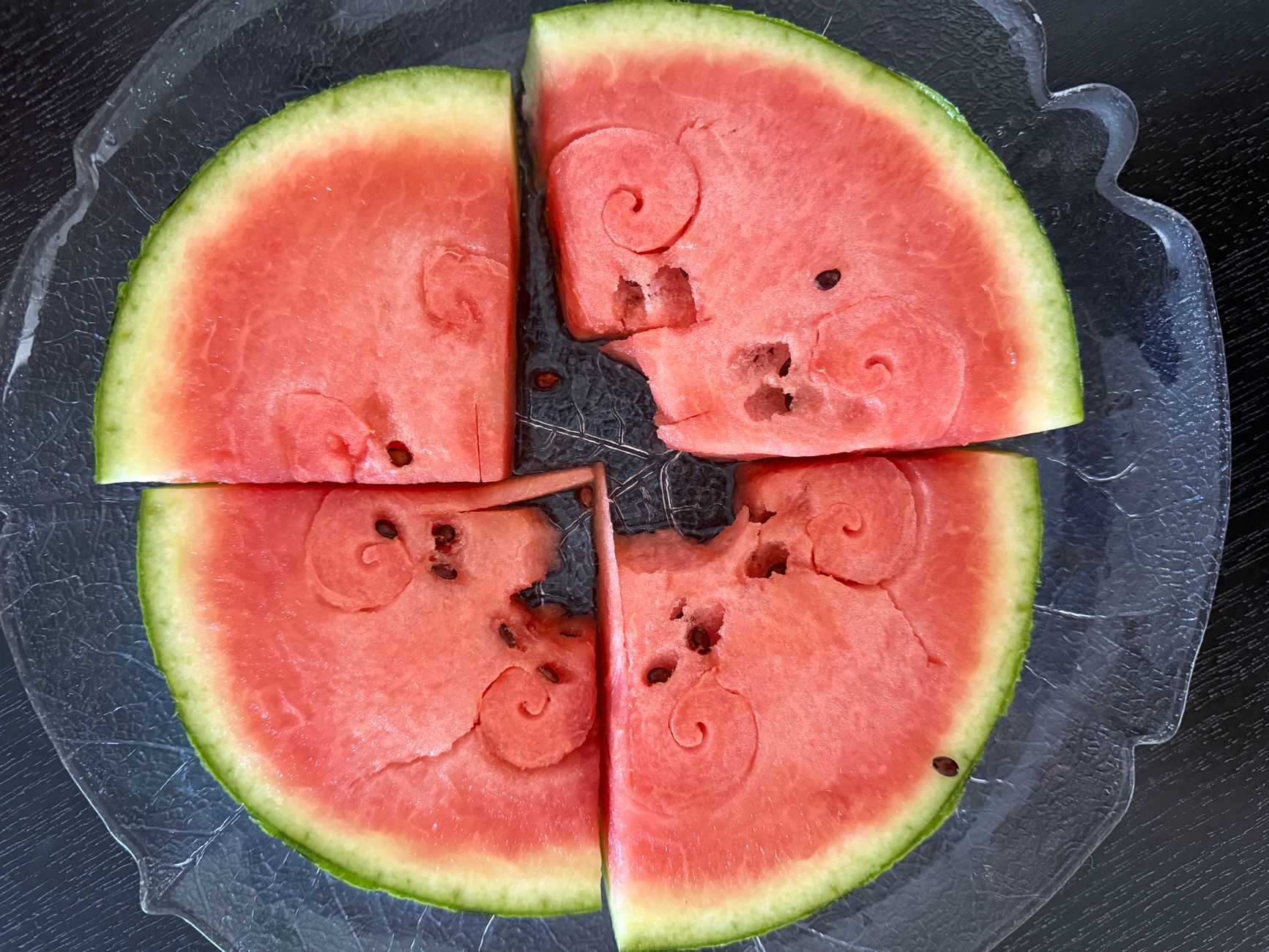
Watermelon is a favorite summer fruit, celebrated for its juiciness and refreshing flavor. However, consuming bad or spoiled watermelon can lead to health issues. Understanding the characteristics of both good and bad watermelon can prevent discomfort and foodborne illness. This article delves into what happens if you eat bad watermelon, how to identify it, and safe practices for enjoying this delicious fruit.
Whether you’re slicing into a perfectly ripe watermelon or chilling some for later, it’s crucial to know what you’re dealing with. Also, if you spot signs of spoilage, it’s vital to know how to proceed safely.
What Happens If You Eat Bad Watermelon?
If you consume bad watermelon, you may experience symptoms like gastrointestinal discomfort, nausea, vomiting, and diarrhea. This is primarily due to bacterial contamination or spoilage due to over-ripening. In some cases, eating watermelon that contains harmful bacteria can lead to foodborne illnesses, which may require medical attention.
The key to avoiding these adverse effects lies in identifying the signs of spoilage and following proper storage practices. By being vigilant, you can enjoy watermelon without worry.
How to Identify Spoiled Watermelon
Recognizing a spoiled watermelon is essential for ensuring food safety. Here are some telltale signs to watch for:
- Visual Cues: Examine the skin for dark, water-soaked spots or significant bruising. The surface should be free from cuts or punctures, which can allow bacteria to enter.
- Softness: A good watermelon is firm to the touch. If it’s overly soft or mushy in certain areas, this indicates the fruit is past its prime.
- Smell: Spoiled watermelon often emits a sour or fermented odor. Fresh watermelon has a mild, sweet aroma.
- Color: The flesh of the watermelon should be a vibrant pink to red. Dull or brown discoloration may indicate spoilage.
- Seeds: If the watermelon has an unusually high number of white seeds, it may be overripe.
The Risks of Eating Bad Watermelon
Eating spoiled watermelon poses several health risks, primarily due to the growth of bacteria and fungi. Here are some potential health concerns:
1. Bacterial Contamination
Watermelon can harbor bacteria such as E. coli, Salmonella, and Listeria if contamination occurs during handling, processing, or storage.Consuming contaminated fruit can lead to symptoms like:
- Nausea
- Vomiting
- Diarrhea
- Abdominal cramps
2. Fungal Infections
Fungi can also grow on spoiled watermelon, producing mycotoxins that may cause allergic reactions or respiratory issues in sensitive individuals.
3. Digestive Upset
Even if bacteria are not a concern, consuming overripe or spoiled watermelon can lead to digestive upset. This can include:
- Gas
- Bloating
- Diarrhea
- Stomach cramps
Safe Practices for Storing Watermelon
To enjoy watermelon safely, it’s essential to follow proper storage practices:
- Choose the Right Watermelon: When buying, pick a firm watermelon with a uniform appearance. The “field spot” (a creamy yellow patch) indicates ripeness.
- Storage Temperature: Store whole watermelon at room temperature for up to a week. Once cut, cover it tightly and place it in the refrigerator. Consume within three to five days.
- Avoid Cross-Contamination: Keep watermelon away from raw meats and other foods that can carry bacteria. Use clean cutting boards and utensils.
- Wash Before Cutting: Rinse the exterior of the watermelon under running water to eliminate dirt and bacteria before cutting.
Common Mistakes When Consuming Watermelon
There are several common mistakes that can increase the risk of eating spoiled watermelon:
1. Ignoring Signs of Spoilage
Many people may overlook signs of spoilage. Always inspect the watermelon carefully before consuming it, especially if it has been sitting in the fridge for a while.
2. Not Storing Properly
Failure to store watermelon correctly can accelerate spoilage. Remember to refrigerate cut watermelon immediately and consume it within a few days for optimal freshness.
3. Using Contaminated Utensils
Using knives or cutting boards that have been in contact with raw meats can lead to contamination. Always use clean utensils and surfaces when preparing food.
How to Handle Watermelon Safely
Handling watermelon safely is critical in preventing foodborne illness. Here are practical steps to take:
- Wash Hands: Always wash your hands with soap and water before handling food.
- Clean Surfaces: Sanitize cutting boards and countertops to eliminate bacteria.
- Refrigerate Promptly: Cut watermelon should be stored in an airtight container and refrigerated immediately after cutting.
- Consume Quickly: Don’t let cut watermelon sit out for more than two hours, as bacteria can multiply rapidly at room temperature.
What to Do If You Accidentally Eat Bad Watermelon
If you suspect you’ve eaten bad watermelon and begin to experience symptoms, here’s what to do:
1. Monitor Symptoms
Keep an eye on your health. Mild symptoms often resolve within a few hours. However, if symptoms persist for more than 24 hours or worsen, seek medical attention.
2. Stay Hydrated
Fluid loss is common with gastrointestinal upset. Drink water or an electrolyte solution to stay hydrated.
3. Consult a Professional
If severe symptoms occur, such as high fever, persistent vomiting, or dehydration, contact a healthcare professional for advice and potential treatment.
Creative Ways to Enjoy Watermelon
Fresh watermelon is a versatile fruit that can enhance various dishes. Here are a few creative ways to enjoy it:
1. Watermelon Salad
Combine diced watermelon with feta cheese, mint, and a drizzle of balsamic vinegar for a refreshing salad.
2. Watermelon Smoothie
Blend watermelon with yogurt, lime juice, and a handful of spinach for a nutritious smoothie.
3. Grilled Watermelon
Grill watermelon slices for a unique dessert and serve them with a sprinkle of salt or a scoop of ice cream.
4. Watermelon Slushie
Freeze watermelon chunks and blend them with a little lime juice for a refreshing summer slushie.
Conclusion
Enjoying watermelon can be a delightful summer experience, but it’s essential to recognize the signs of spoilage to avoid health risks. By following safe handling and storage practices, you can safely indulge in this delicious fruit without worry. Keep an eye on freshness, enjoy creative preparations, and be cautious if you suspect you’ve consumed spoiled watermelon.
For further tips on preservation, consider exploring what to do with excess watermelon in our guide on freezing watermelon. Additionally, learn more about other ingredients, such as chia seeds, by checking out if chia seeds go bad.