
Heartburn is a common digestive complaint that arises when stomach acid flows back into the esophagus, causing a painful burning sensation. Many people find that certain foods can trigger or worsen heartburn symptoms. Understanding these triggers can help in making informed dietary choices and improving overall digestive comfort.
This article will explore what foods commonly cause heartburn, along with considerations for meal planning and preparation. Whether you’re hoping to avoid heartburn or simply curious about its causes, knowing the potential culprits can enhance your culinary experiences.
What Food Causes Heartburn?
Foods that commonly cause heartburn include spicy dishes, acidic fruits, and high-fat foods. These items can lead to the relaxation of the lower esophageal sphincter, allowing stomach acid to escape and create discomfort. It’s essential to identify specific triggers since they can vary among individuals.
Common Food Triggers for Heartburn
Identifying specific foods that can trigger heartburn is crucial for managing this condition. Below is a breakdown of common culprits and how they affect digestive health.
1. Spicy Foods
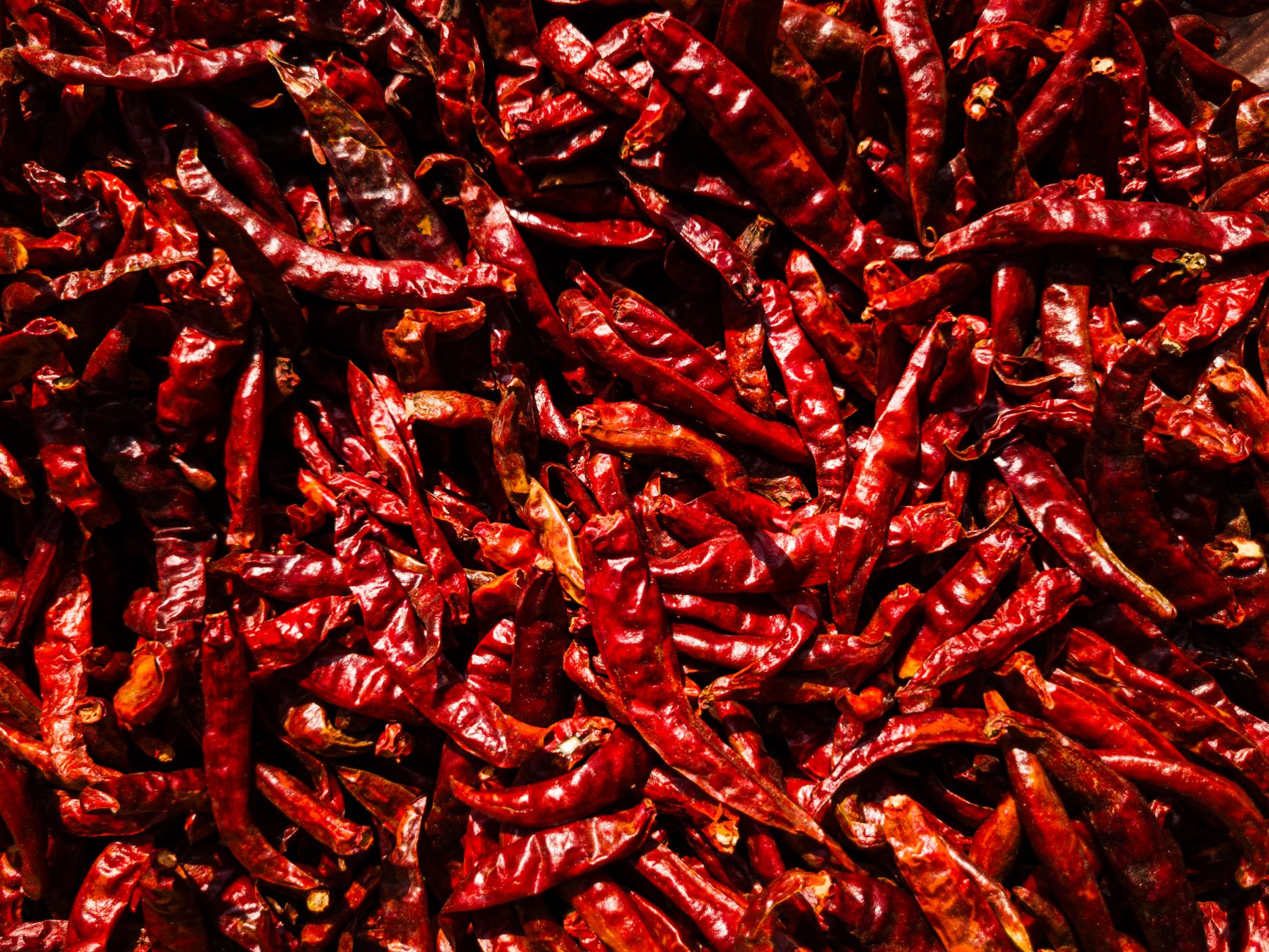
Spicy foods, such as chili, hot peppers, and various spices, can irritate the esophagus and increase acid production in the stomach. While many enjoy the heat, moderation is key if you’re sensitive to these foods.
2. Citrus Fruits
Citrus fruits, including oranges, lemons, limes, and grapefruits, are high in acidity. This acidity can trigger heartburn symptoms, particularly when consumed on an empty stomach or in large quantities.
3. Tomato-Based Products
Tomatoes and tomato-based products like marinara sauce and ketchup are naturally acidic and often lead to heartburn. Foods prepared with these ingredients may cause discomfort for some individuals.
4. Fatty Foods
High-fat foods, including fried items, full-fat dairy products, and fatty cuts of meat, are known to slow down digestion. This delay can increase pressure on the lower esophageal sphincter, promoting the backward flow of acid.
5. Chocolate
Chocolate contains both caffeine and theobromine, two compounds that can relax the esophageal sphincter. While chocolate is a favorite treat for many, it may be worth reconsidering if heartburn is an issue.
6. Caffeinated Beverages
Coffee, tea, and sodas can be significant contributors to heartburn. The caffeine can stimulate acid production in the stomach, leading to increased discomfort for some individuals.
7. Alcohol
Alcoholic beverages can irritate the esophagus and relax the lower esophageal sphincter. This combination can make heartburn symptoms particularly noticeable after consuming drinks like wine, beer, or cocktails.
8. Mint
While mint can be soothing for digestion, it can also relax the lower esophageal sphincter. This means that peppermint tea or other mint-flavored products may trigger heartburn for some individuals.
Preparing Foods to Minimize Heartburn
While the above foods can contribute to heartburn, there are ways to prepare meals that minimize the risk. Here are some practical tips for cooking and meal planning:
1. Opt for Baking and Steaming
Cooking methods that use less fat, such as baking, steaming, or grilling, are generally preferred. These methods avoid additional grease that can contribute to heartburn. For instance, instead of frying chicken, try baking or grilling it with herbs.
2. Choose Low-Fat Alternatives
When cooking, consider using low-fat or fat-free products. For example, choose skim milk instead of whole milk or opt for a low-fat mayonnaise. These substitutions can help reduce the risk of heartburn without sacrificing flavor.
3. Focus on Whole Grains
Whole grains like brown rice, quinoa, and whole grain bread provide fiber and can promote better digestion. They can also help balance acid levels in the stomach, reducing the likelihood of heartburn.
4. Incorporate Vegetables
Filling meals with non-acidic vegetables like broccoli, carrots, and spinach can help ease heartburn symptoms. These vegetables are nutritious and generally easy on the stomach.
5. Avoid Large Meals
Large meals can place excessive pressure on the stomach, contributing to heartburn. Instead, consider eating smaller, more frequent meals throughout the day to maintain comfort.
Common Mistakes to Avoid
When trying to prevent heartburn through food choices, be aware of these common mistakes:
- Ignoring portion sizes: Eating large meals can exacerbate heartburn symptoms.
- Consuming trigger foods too frequently: Identify personal triggers and limit their intake.
- Eating right before bed: Aim to finish meals at least three hours before lying down to allow for proper digestion.
- Not keeping a food diary: Documenting what you eat and any symptoms can help identify specific triggers.
Planning Meals with Heartburn in Mind
Creating a meal plan that minimizes heartburn triggers can be helpful for managing symptoms. Below are some ideas for meals and snacks that can keep heartburn at bay.
Sample Meal Plan
| Meal | Suggestions |
|---|---|
| Breakfast | Oatmeal topped with banana and a sprinkle of cinnamon |
| Lunch | Grilled chicken salad with mixed greens, cucumbers, and a light vinaigrette |
| Dinner | Steamed fish served with brown rice and steamed broccoli |
| Snacks | Almonds, apples, or low-fat yogurt |
Grocery List Essentials
When grocery shopping for heartburn-friendly foods, consider the following items:
- Whole grains: brown rice, whole grain bread, oats
- Fruits: bananas, apples, pears
- Vegetables: broccoli, spinach, carrots
- Lean proteins: chicken breast, turkey, tofu
- Low-fat dairy: yogurt, skim milk
- Healthy fats: olive oil, avocados
When to Seek Medical Advice
Although dietary changes can significantly reduce heartburn, persistent or severe symptoms should be evaluated by a healthcare professional. If you experience any of the following, consider seeking medical advice:
- Heartburn lasting more than two weeks
- Difficulty swallowing or persistent nausea
- Unexplained weight loss
- Severe chest pain or other heart disease symptoms
Conclusion
Managing heartburn involves understanding the foods that can trigger symptoms and making thoughtful dietary choices. By recognizing your unique triggers and opting for heartburn-friendly cooking methods, you can create meals that not only satisfy your palate but also promote digestive health. Consider keeping track of your meals and symptoms to find your best approach.
For more culinary inspiration, explore healthy cooking techniques that minimize discomfort, or check out snack ideas that provide satisfaction without the heartburn. Stay informed and enjoy the process of finding foods that work for you!