
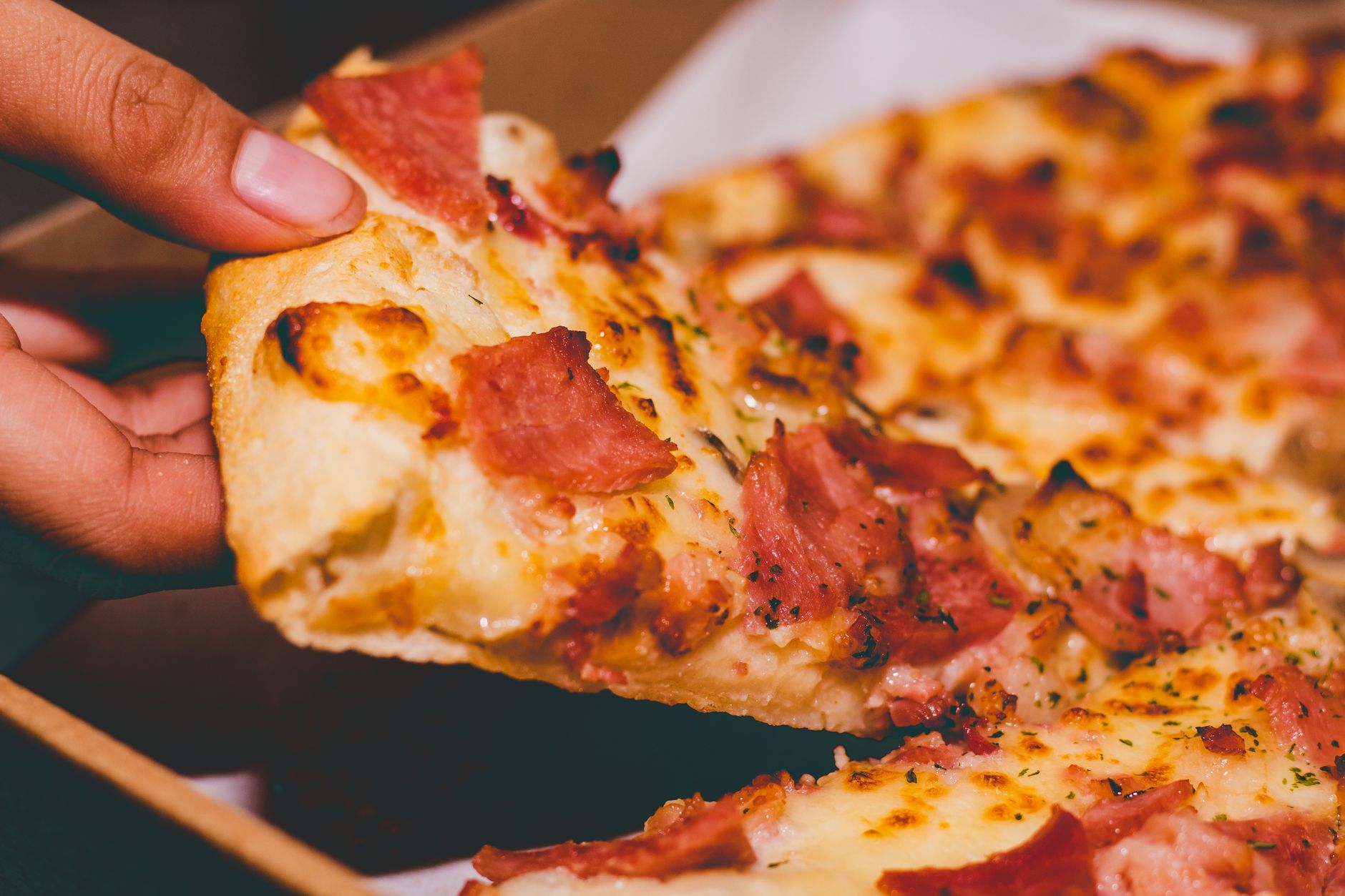
The history of pizza is as layered and complex as the dish itself. Understanding what the first pizza ever made was not only reveals intriguing culinary traditions but also highlights the evolution of flavors, ingredients, and techniques that define modern pizza. This exploration will take you through the journey of pizza from its ancient origins to its beloved status today.
From its rustic beginnings in ancient civilizations to the classic pies served in pizzerias worldwide, let’s delve into what constituted the very first pizza, how it was made, and how it has transformed over the centuries.
What Was the First Pizza Ever Made?
The very first pizza is believed to have originated in ancient Greece, around the 6th century BC, where flatbreads were topped with various ingredients. However, the more modern concept of pizza that we know today began to take shape in Naples, Italy, during the late 18th century. The iconic pizza Margherita, garnished with tomatoes, mozzarella cheese, and basil to represent the colors of the Italian flag, is often cited as one of the earliest recognizable forms of pizza.
The Ancient Beginnings of Pizza
Before pizza came to be in Italy, similar flatbreads existed in various cultures. The Greeks had a flatbread called ‘plakous,’ which they would serve with toppings such as herbs, oils, and cheese. Egyptian and Roman cultures also engaged in similar practices, with the Greeks setting the precedent for what would eventually lead to modern pizza.
- Ancient Egyptians: Made flatbreads baked on hot stones topped with a variety of ingredients.
- Greeks: Enjoyed ‘plakous,’ which was often seasoned with oil and herbs.
- Romans: Created early versions of pizza, known as ‘pinsa,’ which were flatbreads topped with various meats and vegetables.
The Evolution of Pizza in Italy
As time progressed, the dish evolved significantly in Italy, particularly in Naples. By the late 18th century, Naples became the epicenter of pizza innovation, thanks to its thriving street food culture. The poor population of the city needed affordable meals, and pizza fit the bill perfectly.
Pizzaiolos, or pizza makers, began to develop the distinct style that we associate with pizza today. They used simple, locally sourced ingredients and baked them in wood-fired ovens, producing a crust that was crispy on the outside yet soft and chewy on the inside. Among these early pizzas, the Margherita stands out as a pivotal moment in pizza history.
The Story of Pizza Margherita
In 1889, the Queen of Italy, Margherita di Savoia, visited Naples. Seeking to impress her, pizzaiolo Raffaele Esposito created a pizza representing the colors of the Italian flag. This dish combined tomato sauce, mozzarella cheese, and fresh basil. The queen enjoyed it immensely, prompting Esposito to name it after her—thus, Pizza Margherita was born.
Classic Ingredients of the First Pizza
The first pizzas, particularly Pizza Margherita, consisted of very few ingredients, highlighting the flavors of each component. The typical ingredients were:
- Tomatoes: Initially, tomatoes were thought to be poisonous but gained popularity in the late 18th century as they became a staple ingredient.
- Cheese: Fresh mozzarella made from water buffalo’s milk is traditionally used for authentic Pizza Margherita.
- Basil: Fresh basil leaves provided a vibrant flavor and a pop of color.
- Olive Oil: Used for drizzling, it adds a rich flavor to the pizza.
A Closer Look at Ingredients
Understanding the individual components of pizza helps appreciate this iconic dish even more. Here are some essential ingredients:
Tomatoes
Tomatoes are widely known as the base for pizza sauce. Their sweetness and acidity balance the rich creaminess of cheese wonderfully. When making traditional pizza, San Marzano tomatoes are preferred for their unique flavor profile.
Cheese
In addition to mozzarella, which is crucial for traditional pizzas, there are various cheeses that can be used, such as:
- Provolone
- Parmesan
- Ricotta for dollops
Basil
This herb gives pizza its distinct aroma and flavor. Always opt for fresh basil for the best results. Dried basil can be used in a pinch but won’t have the same vibrancy.
Olive Oil
A drizzle of quality extra virgin olive oil elevates the flavors of the pizza. It offers an aromatic richness that enhances the existing flavors.
How the First Pizza Was Prepared
To recreate the essence of the first pizza made, here is a straightforward guide focusing on the pizza-making process used in Naples.
Essential Equipment
- Mixing bowl
- Dough scraper
- Wooden pizza peel
- Pizza stone or oven set for high temperatures
- Rolling pin (optional)
- Kitchen scale for measuring ingredients
Ingredients for Basic Pizza Dough
- 500 grams all-purpose flour
- 325 ml lukewarm water
- 10 grams sea salt
- 5 grams active dry yeast
- 1 tablespoon sugar (optional)
Step-by-Step Dough Preparation
- In a mixing bowl, combine the warm water, sugar, and yeast. Let it sit for about 10 minutes until bubbly.
- Add the flour and salt. Mix until a rough dough forms.
- Knead the dough on a lightly floured surface for about 10 minutes until smooth and elastic.
- Place the dough in a lightly oiled bowl, cover, and let rise in a warm place for 1-2 hours until doubled in size.
Assembly and Baking of the First Pizza
After the dough has risen, it’s time to assemble and bake the pizza. Here’s how:
Ingredients for Pizza Margherita Topping
- San Marzano tomatoes, crushed (about 400 grams)
- Fresh mozzarella, sliced (200 grams)
- Fresh basil leaves
- Extra virgin olive oil
- Salt to taste
Steps to Assemble and Bake
- Preheat your oven to its highest setting, ideally around 250-300 °C (482-572 °F). If using a pizza stone, place it in the oven to preheat.
- Once the dough has risen, punch it down and divide it into two equal portions.
- On a floured surface, stretch or roll out one portion into a 10-12 inch round without overworking the dough.
- Transfer the stretched dough onto a wooden pizza peel dusted with flour or cornmeal.
- Spread a layer of crushed San Marzano tomatoes evenly over the dough, leaving a small border for the crust.
- Place slices of fresh mozzarella on top, and sprinkle with a pinch of salt.
- Drizzle a little extra virgin olive oil over the pizza.
- Slide the pizza onto the preheated pizza stone or a baking sheet and bake for 8-10 minutes until the crust is golden and cheese is bubbling.
- Once out of the oven, add fresh basil leaves and a final drizzle of olive oil before slicing and serving.
Common Mistakes to Avoid When Making Pizza
While making pizza might seem straightforward, there are a few common mistakes that can affect the final product:
- Overworking the dough can lead to a tough texture. Knead just until smooth.
- Not letting the dough rise adequately will result in a dense crust. Be patient!
- Using cold ingredients can affect how the pizza cooks. Use room-temperature ingredients for the best results.
- Not preheating the oven or pizza stone can yield an undercooked crust. Preheat thoroughly.
Variations of the Classic Pizza
While the traditional Pizza Margherita is beloved, many variations exist around the world, showcasing different ingredients and preparation techniques. Here are a few notable variations:
Neapolitan Pizza
This style is characterized by its soft, chewy crust with a blistered underside, typically topped with fresh tomatoes, mozzarella, and no more than three other ingredients.
New York-Style Pizza
Larger and thinner than Neapolitan, this pizza is typically sold by the slice and is known for a foldable crust and a tomato sauce base layered with cheese.
Chicago Deep-Dish Pizza
A completely different style, this pizza resembles a pie with a thick crust that forms a deep dish filled with layers of cheese, toppings, and sauce baked in a pan.
Modern Pizza and Its Global Influence
Today, pizza has transcended its original boundaries and can be found in various forms around the globe, reflecting local tastes and ingredients. In addition to traditional Italian flavors, pizzas are now topped with everything from barbecue pulled pork to vegan cheese.
The global love for pizza has led to creative interpretations, including:
- Thai Chicken Pizza
- Buffalo Cauliflower Pizza
- Breakfast Pizza with eggs and breakfast meats
Conclusion
The journey of pizza from its humble beginnings as a simple flatbread to a global phenomenon encapsulates both culinary creativity and cultural significance. The first pizza ever made, with its fresh ingredients and local essence, paved the way for an endless array of possibilities that continue to delight taste buds worldwide.
While the classic Pizza Margherita represents the original flavors of this beloved dish, experimenting with different toppings and styles allows for an enjoyable and diverse culinary experience. For your next pizza night, consider trying your hand at making dough or experimenting with new ingredients to keep the tradition alive.
For more delicious pizza recipes, check out our pizza dough recipe and Pizza Rustica recipe to get inspired in the kitchen!