
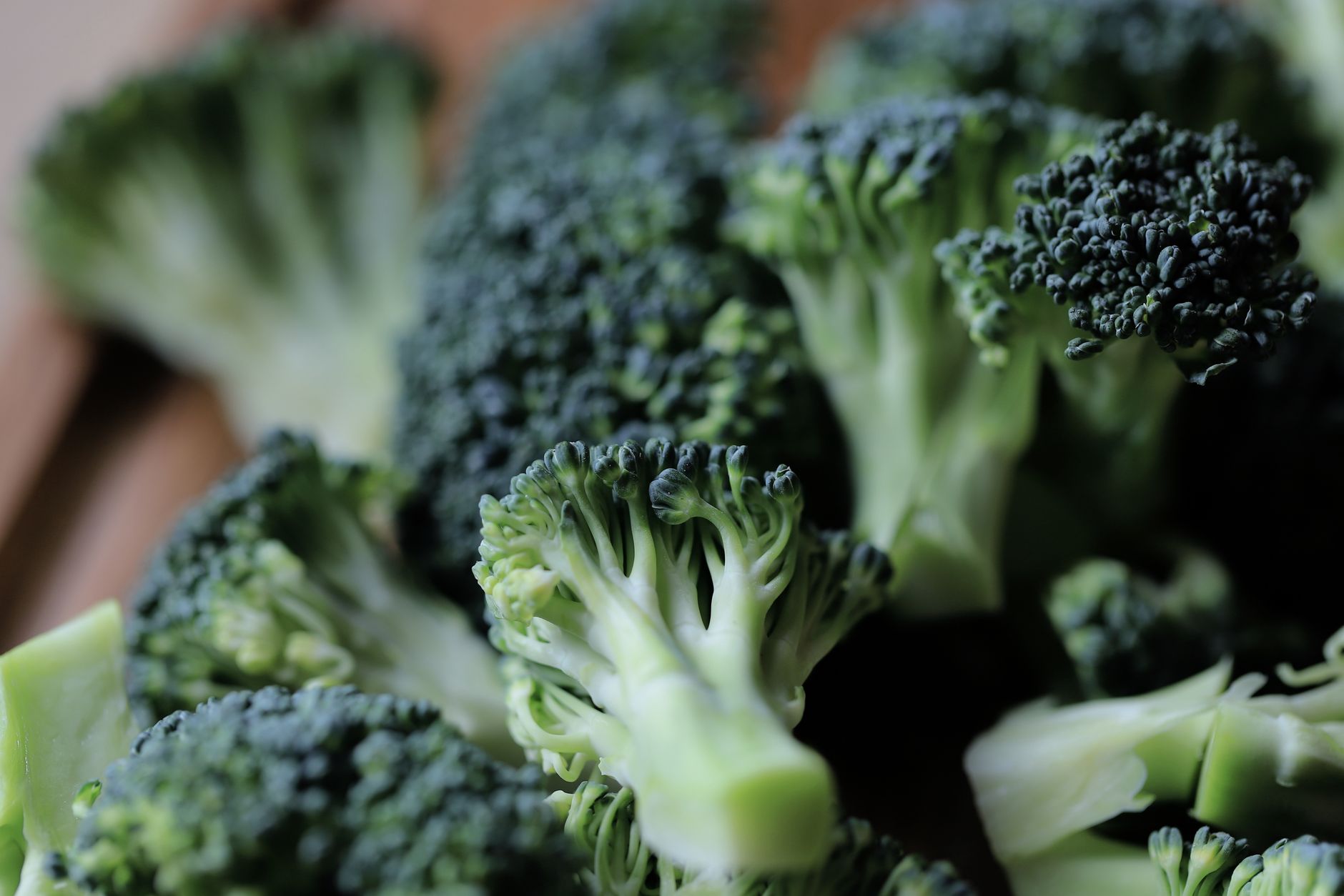
Broccoli is a popular vegetable known for its nutritional benefits and versatility in cooking. However, many consumers wonder about its status in relation to pesticide exposure and food safety, specifically whether it is part of the “Dirty Dozen,” a list published annually by the EWG (Environmental Working Group). This article seeks to clarify broccoli’s standing while also exploring its uses in the kitchen, serving ideas, and storage tips.
Understanding whether broccoli is considered part of the Dirty Dozen can influence purchasing decisions, especially for health-conscious shoppers. Beyond pesticides, broccoli offers numerous culinary possibilities, making it a staple in various cuisines. This guide will help you make informed choices about broccoli as well as inspire you with delicious serving suggestions.
Is Broccoli Dirty Dozen?
No, broccoli is not included in the Dirty Dozen list published by the EWG. The Dirty Dozen comprises fruits and vegetables with the highest levels of pesticide residues. Broccoli consistently lands on the Clean Fifteen list, which highlights produce items with fewer pesticides.
Despite its absence from the Dirty Dozen, it’s essential to note that broccoli can still carry pesticide residues, albeit at lower levels. Washing broccoli thoroughly before consumption is a practical step to minimize exposure to any potential contaminants.
Broccoli: An Overview
Broccoli (Brassica oleracea var. italica) is a green vegetable that belongs to the cruciferous family. It has a distinct flavor profile characterized by its slightly bitter yet earthy taste. The vegetable can be enjoyed in a variety of textures—from crunchy to tender—depending on cooking methods.
This nutrient-dense vegetable is rich in vitamins C and K, fiber, and a host of antioxidants. It’s low in calories, making it an excellent addition to weight management strategies. Learning how to select and store broccoli properly can further enhance its nutritional value.
Selecting Broccoli
When selecting broccoli, look for the following characteristics to ensure freshness:
- Color: Bright green florets indicate freshness, while yellowish or dull patches can signal age.
- Texture: The surface should feel firm; floppy or wilted stems suggest that the broccoli is past its prime.
- Stems: Choose broccoli with thick, sturdy stems. Thin stems often mean the vegetable is older.
Washing and Preparing Broccoli
Proper washing is crucial for removing any pesticide residues and dirt. Here’s how to wash and prepare broccoli:
- Rinse: Hold the broccoli under cold running water, ensuring all surfaces are washed.
- Soak: For additional cleaning, soak broccoli in a bowl of water for a few minutes, swishing it around to dislodge any dirt.
- Trim: Cut the florets from the stalk, trimming the ends if necessary. The stalk can also be peeled and sliced for use in cooking.
Culinary Uses of Broccoli
Broccoli can be enjoyed in a variety of dishes across many cuisines. Its versatility lends itself well to multiple cooking methods, such as steaming, boiling, roasting, and stir-frying.
Common Cooking Methods
Here are some popular techniques for preparing broccoli:
- Steaming: This method preserves the nutrients and bright green color. Steam broccoli for 5-7 minutes until just tender.
- Roasting: Toss broccoli florets with olive oil, salt, and pepper, then roast in a preheated oven at 425°F (220°C) for 20-25 minutes.
- Stir-frying: Quickly cook broccoli in a hot skillet with a small amount of oil. Add other vegetables or proteins for a complete dish.
- Blanching: Briefly boil broccoli for 2-3 minutes, then plunge it into ice water. This method brightens the color and enhances the crunch.
Creative Serving Ideas
Broccoli can be a star ingredient or a complementary vegetable in many dishes. Here are some fresh serving ideas:
Salads
- Combine steamed broccoli with cherry tomatoes, red onion, and a lemon vinaigrette for a refreshing salad.
- Make a crunchy slaw by shredding raw broccoli stems and mixing with carrots, cabbage, and a creamy dressing.
Main Dishes
- Mix steamed broccoli into pasta dishes, pairing it with garlic, olive oil, and Parmesan cheese.
- Stir-fry broccoli with tofu or chicken, serving it over rice or noodles for a quick weeknight dinner.
Snacks and Appetizers
- Serve raw broccoli with hummus or a yogurt-based dip for a nutritious snack.
- Make broccoli fritters by mixing chopped broccoli with eggs and breadcrumbs, then pan-frying until golden.
Practical Substitutions
If broccoli is unavailable or you want to try alternatives, here are several vegetables that can serve as suitable replacements:
- Cauliflower: Similar in texture, cauliflower offers a milder flavor and works well in most broccoli recipes.
- Green Beans: Crisp and tender, green beans can add a different texture and taste to stir-fries.
- Asparagus: This vegetable has a unique flavor and can be roasted or grilled in similar ways to broccoli.
Storing Broccoli
To maintain its freshness, proper storage of broccoli is essential:
Short-term Storage
For short-term storage, keep broccoli in the vegetable crisper drawer of your refrigerator, preferably in a perforated plastic bag, which allows for airflow while retaining moisture.
Long-term Storage
If you want to store broccoli for a longer period, consider freezing it:
- Blanch the broccoli in boiling water for 2-3 minutes.
- Transfer immediately to ice water to stop the cooking process.
- Drain thoroughly, then place in a freezer-safe bag and remove as much air as possible before sealing.
Common Mistakes When Cooking Broccoli
To ensure the best results when preparing broccoli, avoid these common pitfalls:
- Overcooking: Broccoli can quickly become mushy when overcooked. Aim for a tender-crisp texture for the best flavor.
- Ignoring seasoning: Broccoli can taste bland unseasoned. Don’t hesitate to use herbs, spices, and sauces to enhance its flavor.
Nutrition and Health Benefits of Broccoli
Broccoli is often praised for its health contributions, though it’s essential to approach claims critically. While it’s rich in vitamins, fiber, and antioxidants, the exact health benefits can vary individually. Here are some common nutritional highlights:
- High in vitamin C, supporting immune function and enhancing iron absorption.
- Contains vitamin K, which plays a role in blood clotting and bone health.
- Offers fiber, aiding in digestion and promoting satiety.
Conclusion
Broccoli is not part of the Dirty Dozen list and is a valuable addition to any diet due to its nutrient density and versatility. With various culinary uses, from salads to main dishes, it’s easy to incorporate into meals. Remember to select fresh broccoli, wash it thoroughly, and explore different cooking methods to maximize its flavor and texture.
For more information on how to incorporate broccoli into your meals, consider checking out our articles on broccoli and carbs or discover a delicious ground beef and broccoli recipe.