
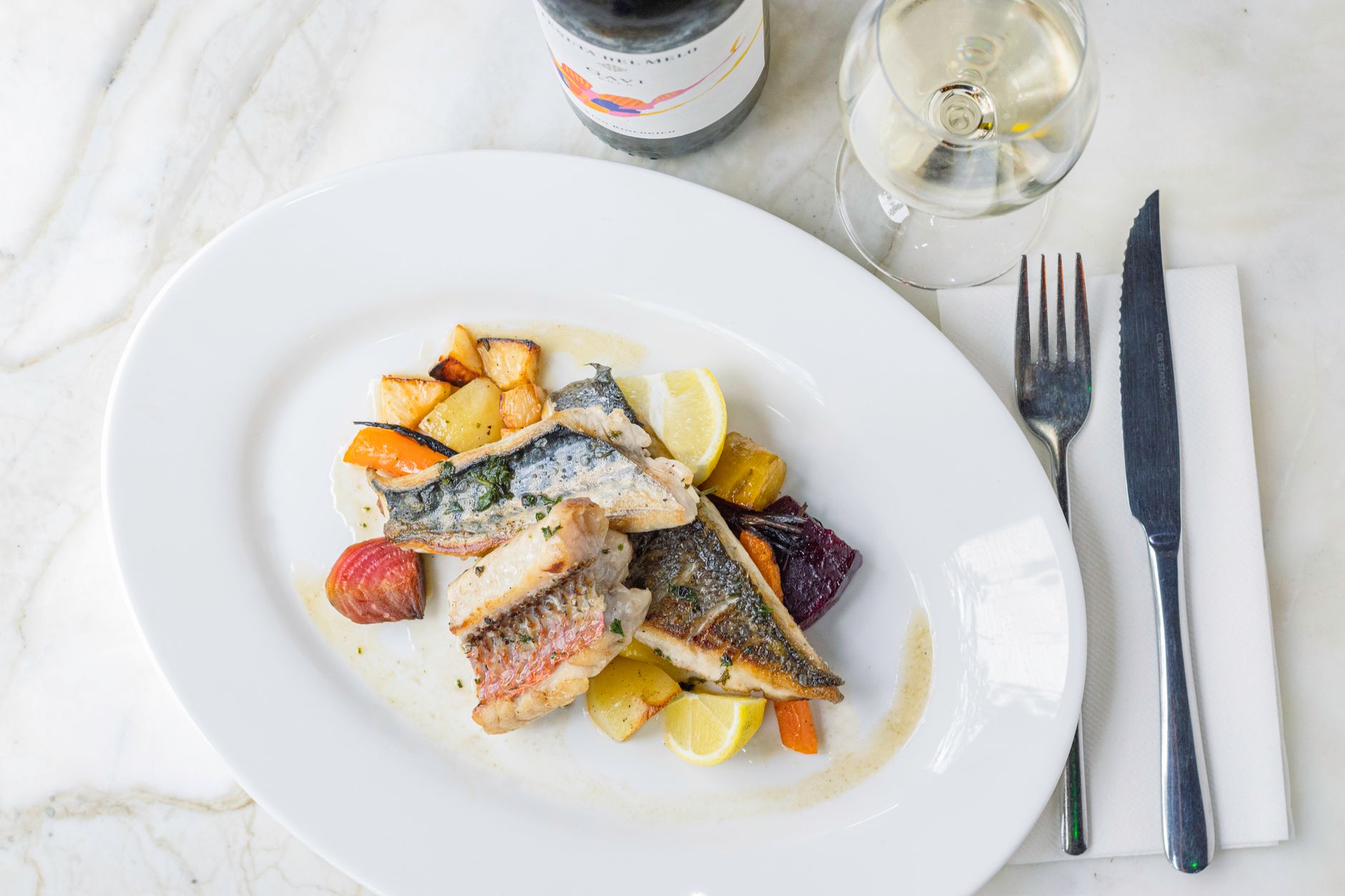
When it comes to cooking, the choice of wine can make a significant difference in flavor. White wine, with its varied profiles ranging from crisp and fruity to rich and oaky, can enhance a variety of dishes. Understanding what white wine to choose for cooking can elevate your culinary creations.
This guide will explore the best types of white wines to cook with, how to use them effectively, and their ideal pairings based on cooking methods and types of dishes. Whether you’re making a creamy pasta sauce, sautéed vegetables, or a zesty seafood dish, knowing the right wine to use will improve your meals.
What Is a Good White Wine to Cook With?
A good white wine for cooking is one that has enough acidity and flavor to enhance the dish without overpowering it. Dry white wines, such as Sauvignon Blanc, Pinot Grigio, and Chardonnay, are often recommended for cooking. Each offers distinct flavor profiles that can complement various ingredients.
The Role of Wine in Cooking
Wine serves multiple culinary purposes. The acidity in white wine can tenderize proteins and help break down fats, contributing to a balanced flavor. The alcohol content evaporates during cooking, leaving behind the wine’s flavors, which can enhance the overall dish.
1. Enhances Flavor
White wine adds depth and complexity to dishes, contributing to a harmonious flavor profile. For example, adding wine to a sauce can intensify its aroma and taste.
2. Deglazing
After sautéing or browning, wine can be used to deglaze the pan. This process helps lift flavorful browned bits from the bottom of the pan, creating a rich base for sauces.
3. Marination
Using white wine in marinades can infuse proteins with flavor while offering a tenderizing effect. Acidic components create a better texture and flavor in meats and seafood.
Recommendations for Cooking with White Wine
Choosing the right white wine depends on your dish. Here’s a breakdown of some popular white wines along with their cooking applications.
Sauvignon Blanc
Sauvignon Blanc is a versatile and zesty wine that pairs well with a variety of dishes. It features high acidity and herbaceous notes that complement seafood, chicken, and vegetable dishes.
- Best for: Seafood, light sauces, chicken, and vegetable dishes.
- Cooking tip: Use it in a lemon butter sauce for shrimp or deglaze a skillet after cooking chicken for a flavorful sauce.
Chardonnay
Chardonnay can range from crisp and fruity to creamy and buttery, making it suitable for richer dishes. The oakiness in some varieties can add depth to creamy sauces and roasts.
- Best for: Creamy sauces, risottos, and roasted chicken.
- Cooking tip: Incorporate it in a creamy mushroom risotto or use it for roasting chicken to enhance the flavors.
Pinot Grigio
Pinot Grigio is known for its light and crisp profile with fruity and floral notes. It is an excellent choice for dishes needing a lighter touch.
- Best for: Chicken, seafood, and vegetable sautéing.
- Cooking tip: Use it to sauté vegetables or in a light sauce for seafood linguine.
Dry Vermouth
Dry Vermouth is a fortified wine with herbal and floral notes, making it a great option for adding depth to sauces and stews.
- Best for: Sauces, risottos, and braises.
- Cooking tip: Use it to deglaze a pan after cooking pork chops to create a sauce.
How to Use White Wine in Cooking
The technique and timing of adding white wine during cooking are essential for achieving the best flavor. Here are some methods for using white wine effectively.
1. Cooking with Wine
Always start with good quality wine, as the flavor will concentrate and affect the final dish. Here’s how to incorporate it:
- Select the right wine: Match the wine with your dish for complementary flavors.
- Add at the right time: Add wine early when making sauces to allow it to reduce and intensify in flavor.
- Control the heat: Use medium to medium-high heat, ensuring the wine reduces properly without burning.
2. Deglazing
Deglazing enhances the dish’s flavor while keeping the cooking process simple. Here’s how to do it:
- Cook your proteins: Sear or sauté your meat or vegetables in a hot pan until browned.
- Add wine: Pour the white wine into the hot pan, immediately scraping the bottom to release browned bits.
- Reduce: Let the wine simmer for a few minutes to concentrate the flavors before adding your other ingredients.
3. Marinating
Using white wine in a marinade can infuse your protein with flavor. Here’s a simple process:
- Combine ingredients: Mix white wine with your choice of herbs, garlic, and citrus for marinade.
- Marinate: Allow proteins to soak for at least 30 minutes to 2 hours, enhancing tenderness and flavor.
- Cook: Grill, bake, or sauté the marinated protein, using the marinade for added flavor or as a base for a sauce.
Common Mistakes When Cooking with Wine
While cooking with wine can elevate your dishes, some common mistakes could detract from your cooking experiences. Here are a few to avoid:
1. Using Poor Quality Wine
Avoid using low-quality, overly sweet wines or cooking wines, which can lead to unpleasant flavors in your dish. Always choose a wine you would enjoy drinking.
2. Adding Too Much Wine
More is not always better! Using excessive wine can overwhelm the dish and mask other flavors. Start with small amounts and add more as needed.
3. Ignoring Cooking Time
Failing to reduce wine properly can leave a raw alcohol taste in your dishes. Always allow time for the alcohol to evaporate, ensuring a balanced flavor.
Practical Substitutions for White Wine in Cooking
If you find yourself without white wine, there are several practical substitutions that can emulate its acidity and flavor. Here are some reliable options:
- White Wine Vinegar: Use in ratios of 1:1, being aware that it is more acidic, so consider diluting it with water.
- Chicken or Vegetable Broth: This can be used to mimic the moisture without the acidity; add a splash of lemon juice to introduce a hint of tartness.
- Citrus Juice: Lemon or lime juice can replace white wine in acidic dishes, balancing flavors through their natural acidity.
- Sparkling Water: For a light touch, use sparkling water in equal amounts, particularly in marinades.
Choosing the Right Wine for Your Dishes
The best white wine to cook with will depend on the dish you’re preparing. Here’s a quick reference for various types of dishes:
| Dish | Recommended White Wine |
|---|---|
| Seafood | Sauvignon Blanc |
| Chicken | Chardonnay |
| Pasta with Cream Sauce | Chardonnay |
| Vegetable Dishes | Pinot Grigio |
| Pork | Dry Vermouth |
Conclusion
Understanding the role of white wine in cooking can enhance your meals significantly. Choosing the right wine based on the dish can contribute to better flavor, aroma, and overall enjoyment of your food. Good options like Sauvignon Blanc, Chardonnay, and Pinot Grigio can help unlock new taste experiences in your cooking.
For a different flavor profile, you might want to try making a Marsala sauce or even a delightful shrimp scampi without wine. Explore our Marsala sauce recipe or our shrimp scampi recipe without wine for more cooking inspiration!