
Kidney disease can significantly impact dietary choices. Understanding what to avoid is critical to managing the condition and maintaining overall health. This article delves into dietary considerations, focusing on foods and ingredients that individuals with kidney disease should limit or avoid.
A proper diet can support kidney function and improve quality of life. This guide provides insights into what to avoid, practical tips, and meal-planning ideas tailored to those with kidney issues.
What to Avoid with Kidney Disease?
When dealing with kidney disease, it is vital to limit certain dietary elements. High sodium, potassium, and phosphorus foods, along with excessive protein, can place additional stress on the kidneys. Understanding these components allows individuals to make informed decisions about their meals.
Key Dietary Restrictions
Managing kidney disease involves close attention to specific dietary components. Here are the main dietary restrictions to consider:
- Sodium: Reducing sodium intake is crucial for controlling blood pressure and preventing fluid retention.
- Potassium: High potassium levels can lead to heart problems; therefore, it’s essential to limit foods high in potassium.
- Phosphorus: Excess phosphorus can cause bone problems, so monitoring intake is important.
- Protein: Too much protein can create waste products that stress the kidneys, so moderation is key.
- Fluid intake: Restricting fluid intake may be necessary to avoid overloading the kidneys.
Understanding Sodium
Sodium is commonly found in table salt and many processed foods. Here are some specific recommendations to manage sodium intake:
Foods High in Sodium to Avoid
- Processed foods, including canned soups and meats
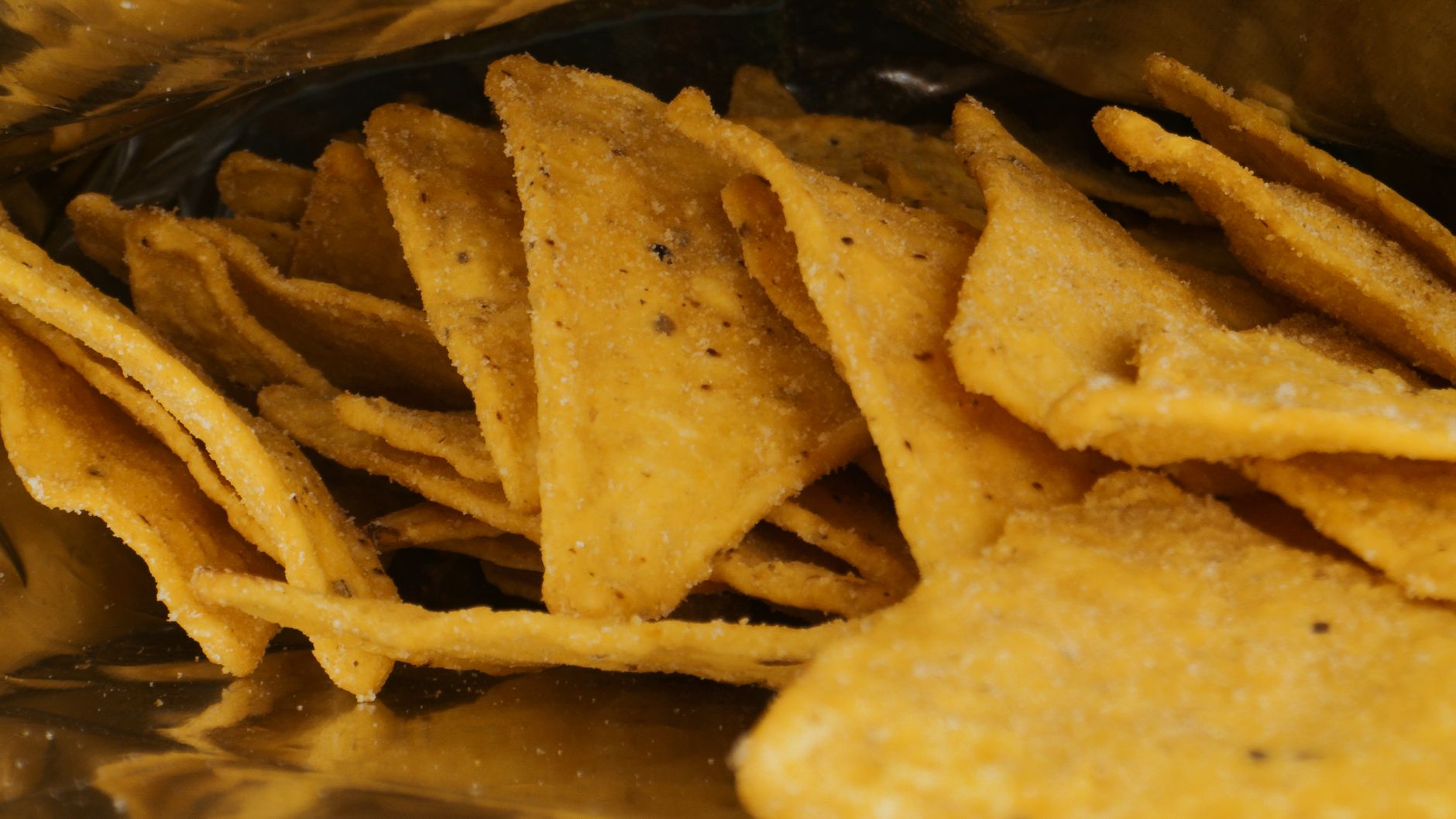
- Frozen dinners and snack foods
- Condiments like soy sauce, ketchup, and mustard
- Deli meats and hot dogs
- Pickled and smoked foods
Practical Tips for Reducing Sodium
- Choose fresh or frozen fruits and vegetables over canned varieties.
- Use herbs and spices to flavor food instead of salt.
- Read nutrition labels to monitor sodium content.
- Rinse canned products, such as beans and vegetables, to reduce sodium levels.
Managing Potassium Levels
Potassium is vital for muscle function and heart health, but too much can be dangerous for those with kidney issues.
High-Potassium Foods to Limit or Avoid
- Bananas
- Oranges and orange juice
- Potatoes and sweet potatoes
- Tomatoes and tomato products
- Spinach and other leafy greens
Tips for Lowering Potassium Intake
- Consider leaching methods for potatoes: slice and soak them in water for several hours before cooking.
- Substitute lower-potassium fruits, such as apples, grapes, and berries.
- Monitor portion sizes for high-potassium foods.
Understanding Phosphorus
Phosphorus is essential for bone health, but excess levels can lead to complications.
Foods to Avoid Due to High Phosphorus Content
- Dark sodas and carbonated drinks
- Dairy products like cheese and chocolate milk
- Processed meats
- Nuts and seeds
- Whole grains and bran
How to Lower Phosphorus Intake
- Limit intake of processed foods that often contain added phosphorus.
- Check labels for phosphorus additives which may not be listed in the total phosphorus content.
- Prefer white bread and white rice over whole grain for lower phosphorus content.
Protein in the Diet
Protein is necessary for bodily functions, but balancing protein intake is critical for kidney patients.
High-Protein Foods to Monitor
- Red meats, such as beef and lamb
- Poultry products
- Fish and seafood
- High-protein dairy products like yogurt and cheese
- Protein supplements
Managing Protein Intake
- Focus on lean sources of protein, such as chicken breast and fish.
- Incorporate plant-based proteins like beans and lentils but measure portions carefully.
- Consult with a registered dietitian for personalized protein needs.
Fluid Intake Considerations
Monitoring fluid intake is essential for managing kidney health. Here are guidelines to consider.
When to Limit Fluid Intake
Fluid restriction may be necessary if experiencing:
- Significant swelling or edema
- High blood pressure
- History of heart failure or related complications
Tips for Managing Fluid Consumption
- Use measuring cups to keep track of fluids consumed.
- Opt for smaller cups to help control portion sizes of beverages.
- Focus on hydrating foods, such as cucumber and watermelon, while limiting liquids.
Making Smart Dietary Choices
Ultimately, making informed decisions about food and drink can help manage kidney disease effectively. Here are some practical tips for meal planning and ingredient selections.
Meal Planning Tips
- Plan meals weekly, balancing low-sodium, low-potassium, and low-phosphorus options.
- Create a list of approved foods to keep on hand.
- Incorporate plenty of fruits and vegetables that are safe for kidney health.
Shopping Strategy
- Shop the perimeter of grocery stores, where fresh fruits, vegetables, and meats are usually located.
- Look for low-sodium and phosphorus-free items when purchasing packaged foods.
- Consider bulk purchases of kidney-friendly staples, such as rice or pasta, to save money.
Recipe Ideas
Creating kidney-friendly meals doesn’t mean sacrificing flavor. Here are some recipe ideas tailored to avoid harmful ingredients:
Vegetable Stir-Fry
- 1 cup of broccoli, chopped
- 1 cup bell peppers, sliced
- 1 carrot, thinly sliced
- 2 cloves garlic, minced
- 1 tablespoon olive oil
- Cook the vegetables in olive oil over medium heat until tender. Serve over white rice.
Quinoa Salad
- 1 cup cooked quinoa
- 1/2 cup diced cucumbers
- 1/4 cup diced bell peppers
- 1/4 cup parsley, chopped
- 1 tablespoon olive oil
- Mix all ingredients and enjoy as a refreshing side or light meal.
Fruit Smoothie
- 1/2 cup strawberries
- 1/2 cup blueberries
- 1 banana (if potassium levels allow)
- 1 cup almond milk (unsweetened)
- Blend all ingredients until smooth for a nutritious drink.
Cooking Techniques to Consider
The method of cooking can also affect dietary choices. Here are some techniques to utilize:
Steaming Vegetables
Steaming preserves nutrients while avoiding added fats or sodium. This method enhances the flavors of fresh vegetables without overwhelming their natural taste.
Grilling and Baking
Both grilling and baking can allow for healthier cooking approaches, using minimal oils and avoiding additional salt.
Herb-Based Seasoning
Using herbs and spices instead of salt can brighten dishes. Fresh herbs, like basil and cilantro, can add depth without affecting sodium levels.
Common Mistakes to Avoid
Avoid some common pitfalls when managing a kidney-friendly diet:
- Skipping meals: Regular meals can help maintain stable energy and nutrient levels.
- Not reading labels: Many packaged foods contain hidden sodium and phosphorus; always check the label.
- Ignoring portion sizes: Even safe foods can become problematic when consumed excessively.
Stay engaged with dietary changes, and don’t hesitate to seek guidance from a registered dietitian specializing in kidney health.
Storage and Meal Prepping
Proper food storage and meal prep can enhance dietary management. Here are tips to aid in this aspect:
Meal Prepping
- Prepare meals in batches to facilitate portion control and convenience.
- Store meals in clear, labeled containers to avoid confusion.
- Include a variety of foods to help ensure balanced nutrient intake.
Food Storage Tips
- Keep fruits and vegetables in a cool place, ensuring they do not spoil quickly.
- Utilize airtight containers for leftovers, maintaining freshness and reducing food waste.
- Freeze appropriate meals, allowing for quick access to kidney-friendly options later.
Effectively managing kidney disease through dietary choices requires effort and planning. Awareness of what to avoid can help optimize kidney health and improve quality of life.
Explore related recipes, cooking tips, or food guides to further enhance your approach to kidney-friendly living. Remember to stay informed about the foods you consume and consult healthcare providers for ongoing dietary support.