
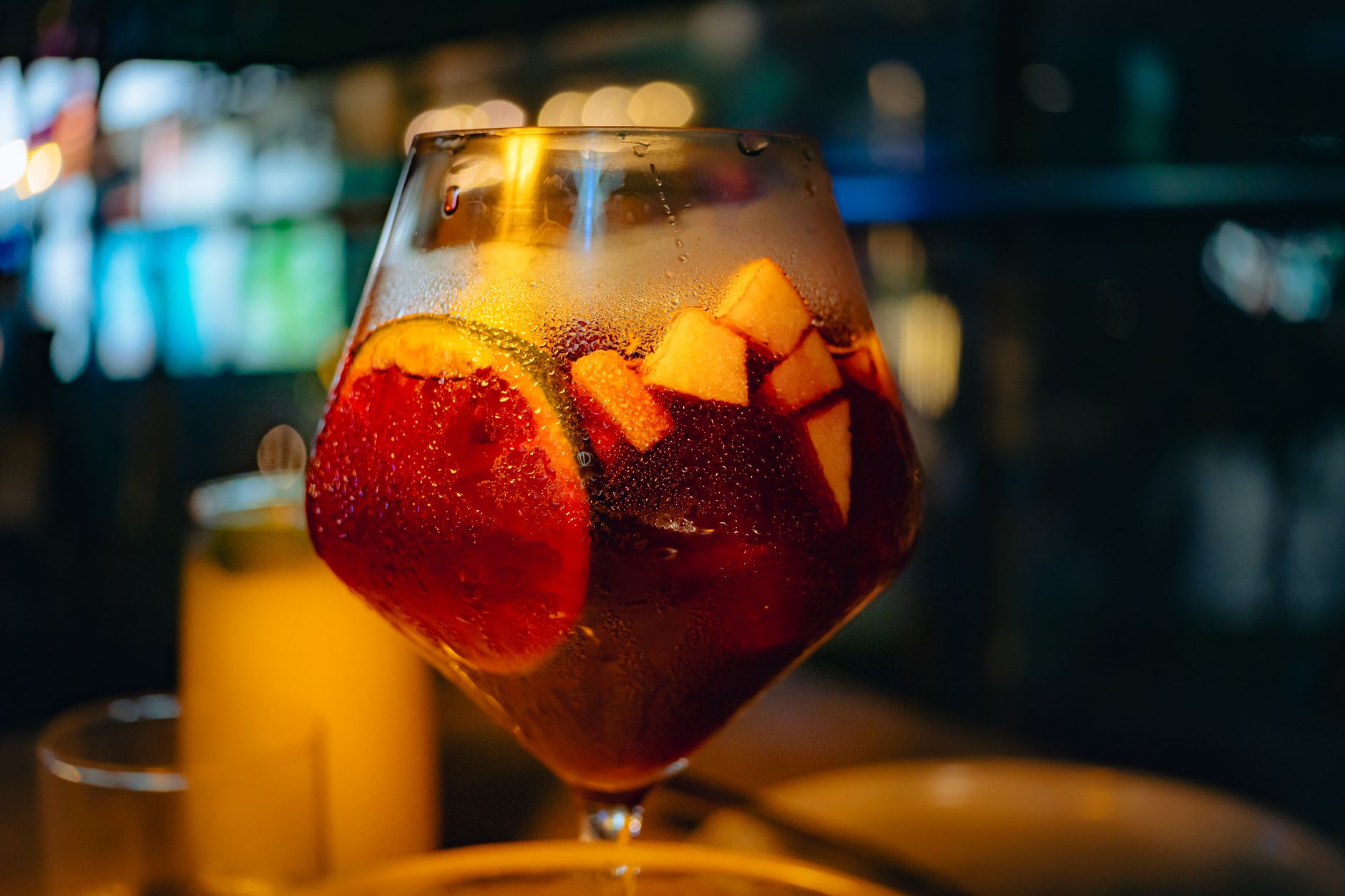
Sangria is a vibrant, refreshing punch hailing from Spain, perfect for gatherings, barbecues, or casual sipping on a warm day. Its colorful composition, rich fruit flavors, and iconic alcohol blend make it both a delightful drink and an easy way to elevate any occasion.
But what alcohol is specifically used in sangria? This guide delves into the various types of alcohol typically found in sangria, how they affect the flavor, and some practical tips on serving sizes and alcohol content.
What Alcohol Is in Sangria?
The primary alcohol in traditional sangria is red wine, although variations may include white wine or even sparkling wine. Common red wines used are fruity varieties such as Tempranillo, Garnacha, or Merlot. White sangrias often incorporate wines like Sauvignon Blanc or Pinot Grigio, while sparkling sangrias might use Cava or Prosecco. Each type adds a unique twist to this classic beverage.
Types of Alcohol in Sangria
Red Wine
Red wine is the backbone of traditional sangria. Its tannins and acidity provide a robust base that complements the fruity additions. Here are some popular red wine options:
- Tempranillo: A classic Spanish wine known for its cherry and plum flavors.
- Garnacha: Offers fruity and spicy notes, making the sangria aromatic.
- Merlot: A softer wine with lower tannins that results in a smoother drink.
- Cabernet Sauvignon: Provides a full-bodied intensity for those who prefer a bolder flavor.
White Wine
White sangrias have gained popularity due to their light, refreshing character. Consider these wines when crafting your version:
- Sauvignon Blanc: Bright and crisp, with herbal and tropical fruit notes.
- Pinot Grigio: Light and fruity, making it a crowd-pleaser for warm-weather events.
- Riesling: Adds sweetness and floral notes, ideal for those who enjoy a sweeter sangria.
Sparkling Wine
Sparkling wag provides effervescence, adding an exciting element to sangria. For a more festive version, consider:
- Cava: A Spanish sparkling wine that harmonizes well with fruits and adds complexity.
- Prosecco: Italian sparkling wine known for its fruity flavors and light sweetness.
- Champagne: For special occasions, consider premium options for more sophistication.
Other Alcohols
While wine is the primary alcohol in sangria, some recipes call for additional spirits. Here are some common additions:
- Brandy: Enhances the fruit flavors and adds depth. Spanish brandies like Jerez are particularly popular.
- Triple Sec or Orange Liqueur: Adds citrus notes that complement the fruits in the drink.
- Gin: An unexpected twist that gives sangria a botanical edge.
- Vodka: Can increase the alcohol content without altering the flavor significantly.
Understanding Alcohol Content
The alcohol content in sangria can vary widely, depending on the type and amount of alcohol used. To understand how the alcohol content is calculated, consider both the base wine and any additional spirits. Here’s how you can estimate:
- Red or White Wine: Typically between 12-14% ABV (alcohol by volume).
- Sparkling Wine: Usually around 11-13% ABV.
- Brandy: Often about 35-50% ABV, as it is a distilled spirit.
- Mixed Spirits: Combining liqueurs or additional spirits can raise the overall alcohol content significantly.
Calculating Your Sangria’s ABV
To calculate the approximate ABV of your sangria, you can use a formula based on the volumes and alcohol percentages of the ingredients. Follow these steps:
- Start with the types and amounts of wine and spirits you plan to use.
- Determine the total volume of each alcohol type in ounces.
- Multiply the volume of each alcohol type by its ABV percentage (as a decimal). For example, if using 1 bottle of red wine (750ml or 25.4 oz at 13% ABV), calculate 25.4 oz x 0.13 = 3.30 oz of pure alcohol.
- Add the pure alcohol amounts together.
- Divide the total alcohol by the total volume of the finished sangria. This gives you the approximate ABV for your final drink.
Recommended Serving Sizes
When serving sangria, it is essential to consider appropriate serving sizes to ensure a balanced experience. Generally, a serving size for sangria is about 5-6 ounces. This portion allows you to enjoy the flavors without overwhelming your palate or risking overconsumption.
Batch Sizes
If you are preparing sangria for a large gathering, it’s helpful to keep batch sizes in mind:
- A standard pitcher might hold 60-80 ounces, allowing for about 10-12 servings.
- A large format bowl can hold over 2 gallons, serving upwards of 30-40 people.
Tips for Responsible Drinking
Given the variety of alcohols in sangria, it’s crucial to drink responsibly. Here are some helpful tips:
- Gauge individual alcohol tolerance and drink in moderation.
- Encourage hydration by providing water alongside sangria.
- Enjoy with food to better manage alcohol absorption and enhance the overall experience.
Common Mistakes When Making Sangria
Creating a delicious sangria may seem straightforward, but there are pitfalls to avoid. Here are some common mistakes:
1. Using Low-Quality Wine
A common error is selecting inexpensive or poor-quality wine. Sangria accentuates the wine’s flavor, so opt for a decent bottle that you would enjoy drinking on its own.
2. Skipping the Fruit Maceration
Allowing the fruits to sit in the alcohol for a few hours or overnight infuses flavors and enhances the overall taste. Rushing this step yields less flavorful results.
3. Overloading on Sweeteners
While a hint of sweetness is pleasant, overdoing it with sugars or sodas can mask the wine’s flavor. Balance sweetness with the right fruit types instead.
4. Forgetting to Chill
Sangria is best enjoyed cold. Make sure to chill the wine and fruits before serving, and consider adding ice just before pouring.
Serving Suggestions and Pairings
Serving sangria can be as much about presentation as it is about taste. Here are some ideas for serving:
Presentation
- Serve in a large glass pitcher or bowl to showcase the fruits and colors.
- Add fresh herbs, such as mint or rosemary, as a garnish for an aromatic touch.
- Use colorful glasses or mason jars for a rustic, fun vibe.
Food Pairings
Sangria is versatile and pairs beautifully with a variety of dishes:
- Tapas: Traditional Spanish tapas like olives, cheese, and cured meats complement sangria perfectly.
- Grilled Meats: The fruity brightness of sangria balances smoked or grilled meats.
- Salads: Fresh salads with citrus dressings enhance the drink’s refreshing qualities.
- Spicy Dishes: Sangria’s sweetness pairs well with spicy cuisine, helping to cool the palate.
Variations and Customizations
One of the best aspects of sangria is its adaptability. Here are a few popular variations you might consider:
Fruit Variations
While traditional sangria often features oranges, lemons, and berries, don’t hesitate to experiment:
- Stone Fruits: Peaches or nectarines add a juicy sweetness.
- Melon: Watermelon slices contribute a refreshing burst.
- Exotic Fruits: Kiwi or mango can create a unique spin on the classic drink.
Herbal Infusions
Infusing your sangria with herbs can elevate the experience:
- Basil: Offers a fragrant twist, especially with white wine sangria.
- Mint: Brightens the drink and enhances the refreshment factor.
- Thyme: Adds an herbaceous note that pairs well with many fruits.
Seasonal Ingredients
Adapting your sangria to the seasons can be rewarding:
- Summer: Use tropical fruits like pineapple and passionfruit.
- Fall: Opt for apples and pears, with a hint of cinnamon for warmth.
- Winter: Consider cranberries and citrus for a festive touch during the holidays.
How to Make Basic Sangria
While sangria recipes can vary greatly, here’s a basic foundational recipe to get you started:
Ingredients
- 1 bottle (750 ml) red wine (e.g., Tempranillo or Garnacha)
- 1/4 cup brandy
- 1/4 cup orange liqueur (e.g., Triple Sec)
- 1/4 cup sugar (adjust based on preference)
- 1 orange, sliced
- 1 lemon, sliced
- 1 apple, cored and chopped
- 1-2 cups soda water or lemon-lime soda, chilled
- Fresh mint for garnish (optional)
Instructions
- In a large pitcher, combine the red wine, brandy, orange liqueur, and sugar, stirring until the sugar dissolves.
- Add the sliced orange, lemon, and chopped apple. Mix well.
- Cover and refrigerate for at least 2 hours (or overnight for maximum flavor infusion).
- Just before serving, add soda water or lemon-lime soda; stir gently.
- Serve over ice, garnished with fresh mint if desired.
Storing and Preparing Ahead
While sangria is best enjoyed fresh, you can prepare it ahead of time. Here are some storage and preparation tips:
Storage
When storing sangria, it’s crucial to keep in mind its ingredients:
- Without soda, sangria can be stored in the refrigerator for up to 3 days in an airtight container.
- Once you add soda, it is best consumed within 24 hours, as carbonation will dissipate.
Preparation Ahead of Time
You can save time by prepping your sangria components in advance:
- Prepare the wine and fruit mixture and store it covered in the fridge.
- Add soda just before serving to maintain its fizz.
Preparing and customizing sangria can be a fun experience, allowing you to play with flavors and showcase your creativity. Just remember to balance the base alcohol, fruits, and any sweeteners for a delightful final product.
In summary, sangria combines the rich flavor of wine with fruity accents, allowing for a wide array of variations to suit any occasion. Whether you choose classic ingredients or get inventive, the key is a blend that suits your palate. With respectful serving sizes and considerations for alcohol content, sangria can be a responsible and refreshing addition to your gatherings.
Explore more delicious drink recipes like this one by checking out our Margarita Pitcher Recipe and Mezcalita Recipe to satisfy your thirst.