
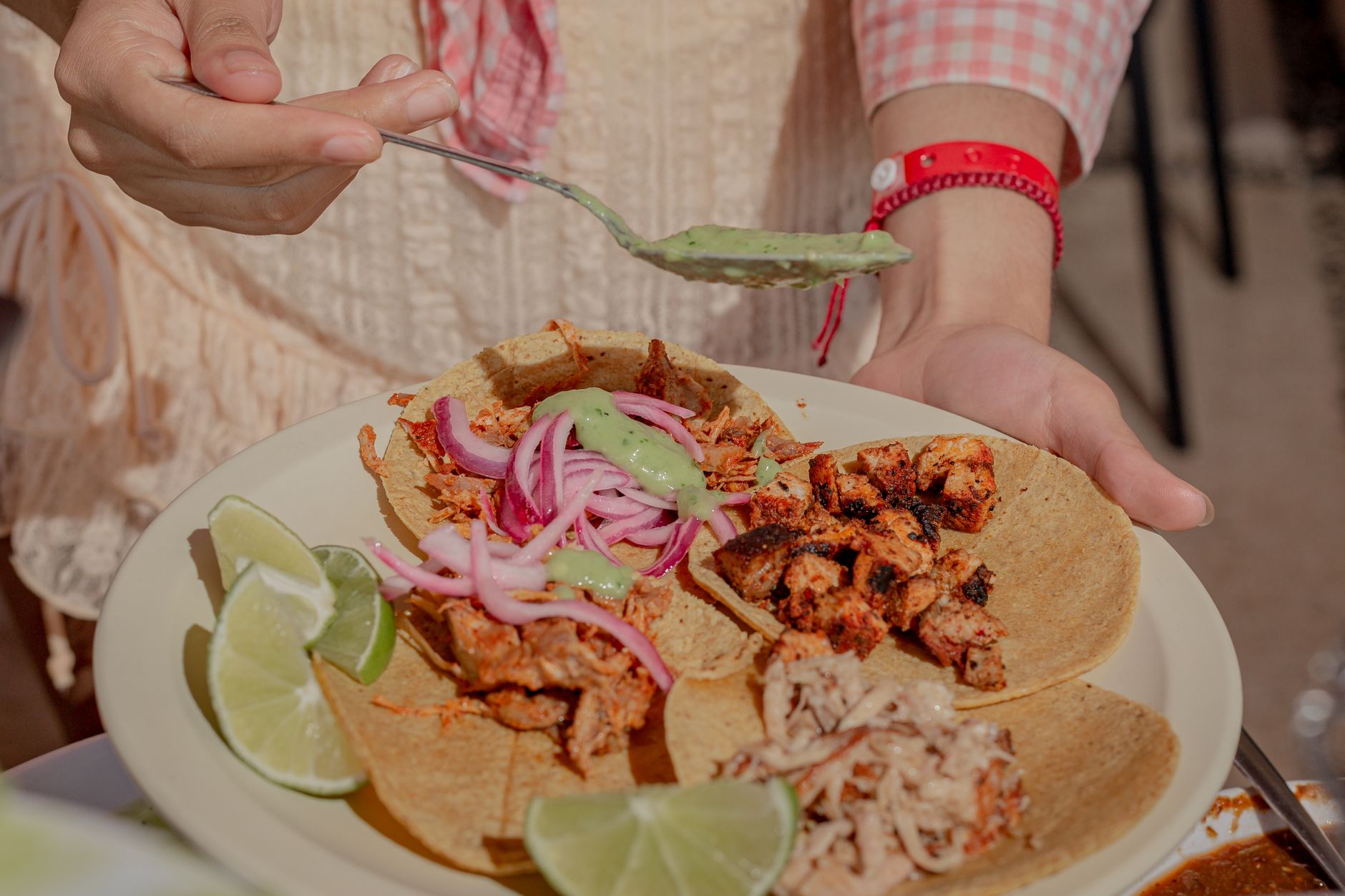
Carnitas, a traditional dish from Mexico, is beloved for its rich flavor and tender texture. This slow-cooked pork dish is perfect for tacos, burritos, or as a stand-alone main course. While it has a few essential ingredients, the slow-cooking method and spices used truly elevate its taste, making it a favorite in Mexican cuisine.
In this article, we’ll explore what carnitas are, their flavor profile, how to prepare them, and ways to serve and enjoy them. Whether you’re planning to make this delicious dish at home or just curious about its ingredients and preparations, you’ll find all the information you need here.
What Is a Carnitas?
Carnitas, which translates to “little meats” in Spanish, refers to a method of cooking pork that results in tender, succulent pieces of meat. The pork is typically braised or slow-cooked until it is easily shredded, often flavored with aromatic spices and citrus. This cooking technique ensures that the meat remains juicy, while the outer layer can become crispy when finished. Carnitas can be served in various ways, making it versatile for many types of meals.
Understanding the Ingredients of Carnitas
The ingredients for carnitas are relatively simple but contribute significantly to the dish’s rich flavor. The following are the essential components:
- Pork: The most common cuts used for carnitas are pork shoulder (also known as pork butt) or pork belly, which contain the necessary fat for moisture and flavor.
- Citrus: Orange juice and lime juice are often added to provide acidity and lighten the dish. They also enhance the overall flavor profile.
- Herbs and Spices: Common herbs and spices include cumin, oregano, garlic, bay leaves, and sometimes cinnamon. These ingredients infuse the meat with their aromatic qualities.
- Onion: Usually added for sweetness and depth of flavor, onions are often sautéed with the pork or used in the braising liquid.
- Salt and Pepper: Basic seasonings that enhance the meat’s natural flavor.
Flavor Profile of Carnitas
The flavor of carnitas is a harmonious balance of savory meats and aromatic spices. The slow cooking process allows the spices to meld into the pork, resulting in a succulent dish. The addition of citrus adds a touch of brightness, while herbs like cumin and oregano provide depth. The texture usually combines tender, juicy morsels with crispy, caramelized edges if cooked correctly.
Cooking Techniques for Carnitas
To achieve authentic carnitas, the traditional method involves braising the pork over low heat for several hours. This technique allows for the fat to render and keeps the meat tender. Here are some commonly used cooking methods:
Slow Cooker
This is one of the most convenient ways to make carnitas. The pork is seasoned and placed in a slow cooker with the other ingredients and left to cook on low for several hours. This method allows for hands-off cooking with minimal effort.
Stovetop Braising
Braising on the stovetop involves searing the pork in a pot to develop flavor before adding the remaining ingredients. The pot is then covered and simmered on low heat until the pork becomes tender.
Oven-Cooking
For those who prefer using the oven, the pork can be cooked in a covered, heavy-duty pot (like a Dutch oven) at a low temperature. This method also promotes even cooking.
Instant Pot or Pressure Cooker
Using a pressure cooker is a modern approach that can significantly reduce the cooking time while still producing tender pork. The flavors develop quickly under pressure, making it a great option for those short on time.
Step-by-Step Recipe for Homemade Carnitas
If you’re ready to make your own carnitas at home, follow this simple recipe that outlines the ingredients, preparation steps, and cooking techniques.
Yield
This recipe makes about 6 servings.
Preparation Time
15 minutes
Cooking Time
4 to 6 hours (depending on the cooking method)
Total Time
Approximately 4 hours and 15 minutes to 6 hours and 15 minutes
Ingredients
- 4 pounds pork shoulder or pork butt, cut into large chunks
- 1 onion, diced
- 4 cloves garlic, minced
- 1 teaspoon ground cumin
- 1 teaspoon dried oregano
- 2 bay leaves
- 1 cup orange juice
- 1/4 cup lime juice
- Salt and black pepper, to taste
- 2 tablespoons lard or vegetable oil (if browning the pork before cooking)
Essential Equipment
- Slow cooker or Dutch oven (if braising in the oven)
- Lid for the cooker or pot
- Large wooden spoon for stirring
- Meat thermometer (optional, but helpful)
Method
- In a large bowl, season the pork chunks generously with salt and black pepper. Add the cumin and oregano, then mix until the pork is evenly coated.
- If using the stovetop method, heat the lard or oil in a large Dutch oven over medium-high heat. Sear the pork chunks on all sides until browned, approximately 5-7 minutes. Remove the pork and set aside.
- In the same pot, add the diced onion and sauté until softened, about 3-4 minutes. Add the minced garlic and cook for another 1-2 minutes until fragrant.
- Add the seared pork back into the pot along with the orange juice, lime juice, and bay leaves. Stir to combine.
- If using a slow cooker, transfer everything into the slow cooker instead. Add enough water to cover the pork about halfway (if needed).
- Cover the pot with a lid and cook on low heat for 4 to 6 hours, or until the meat is tender and shreds easily with a fork.
- Once cooked, remove the pork and shred it with two forks or your hands, discarding any excess fat and bones. Optional: Spread the shredded meat on a baking sheet and broil for 5-7 minutes to crisp the edges.
- Serve warm, garnished with fresh cilantro, onions, or your favorite toppings.
How to Serve Carnitas
Carnitas are exceptionally versatile and can be served in various dishes. Here are a few popular serving suggestions to enjoy this delicious dish:
Tacos
Carnitas tacos are a classic way to enjoy the dish. Serve the shredded pork in corn or flour tortillas, topped with diced onions, fresh cilantro, salsa, or avocado.
Burritos
Roll the carnitas into a burrito with rice, beans, cheese, and any other desired toppings for a hearty meal.
Bowl Meals
Create a carnitas bowl by layering rice, carnitas, beans, corn, salsa, and cheese for a satisfying and colorful meal.
Salads
For a lighter option, add carnitas to a salad with fresh greens, tomatoes, avocado, and a zingy lime vinaigrette.
Nachos
Carnitas make a delightful topping for nachos, layered with cheese, jalapeños, guacamole, and sour cream.
Practical Substitutions and Variations
If you’re looking to customize or adapt the carnitas recipe, here are some practical substitutions and variations:
- Meat Alternatives: If you prefer poultry, chicken thighs or duck can also be used, but be aware that the cooking time will vary.
- Spice Variations: Feel free to experiment with spices like smoked paprika or chili powder for additional flavor.
- Citrus Alternatives: Although orange and lime juices add a traditional touch, lemon juice or even grapefruit juice can be used in a pinch.
- Vegetarian Option: For a vegetarian version, consider using jackfruit, seasoned similarly and cooked until tender.
Common Mistakes and Troubleshooting
Even experienced cooks can run into challenges when making carnitas. Here are some common pitfalls and how to avoid them:
- Too Dry: Make sure to keep the pork covered while cooking to retain moisture. If it seems too dry, add a little more liquid.
- Not Enough Flavor: Adjust the seasoning to taste, and consider marinating the pork overnight to deepen the flavor.
- Undercooking: Always check doneness with a meat thermometer. Pork should reach an internal temperature of 195°F to become tender.
Storage and Reheating
Proper storage of carnitas will ensure that they remain safe and flavorful. Here are some guidelines:
- Refrigeration: Store cooked carnitas in an airtight container in the refrigerator for up to 4 days.
- Freezing: Carnitas can be frozen in a sealed container or freezer bag for up to 3 months. Thaw in the refrigerator before reheating.
- Reheating: Reheat gently on the stovetop or microwave until warmed through. Add a splash of broth to keep the meat moist while reheating.
Carnitas can elevate any meal with their rich flavor and tender texture. With this comprehensive guide, you now have a better understanding of what carnitas are and how to prepare them. Enjoy the process of cooking and the delicious fruits of your labor!
To explore related recipes and tips, check out the carnivore bread recipe or learn how to make chicken taco seasoning for your meals!